
Last updated November 22, 2026
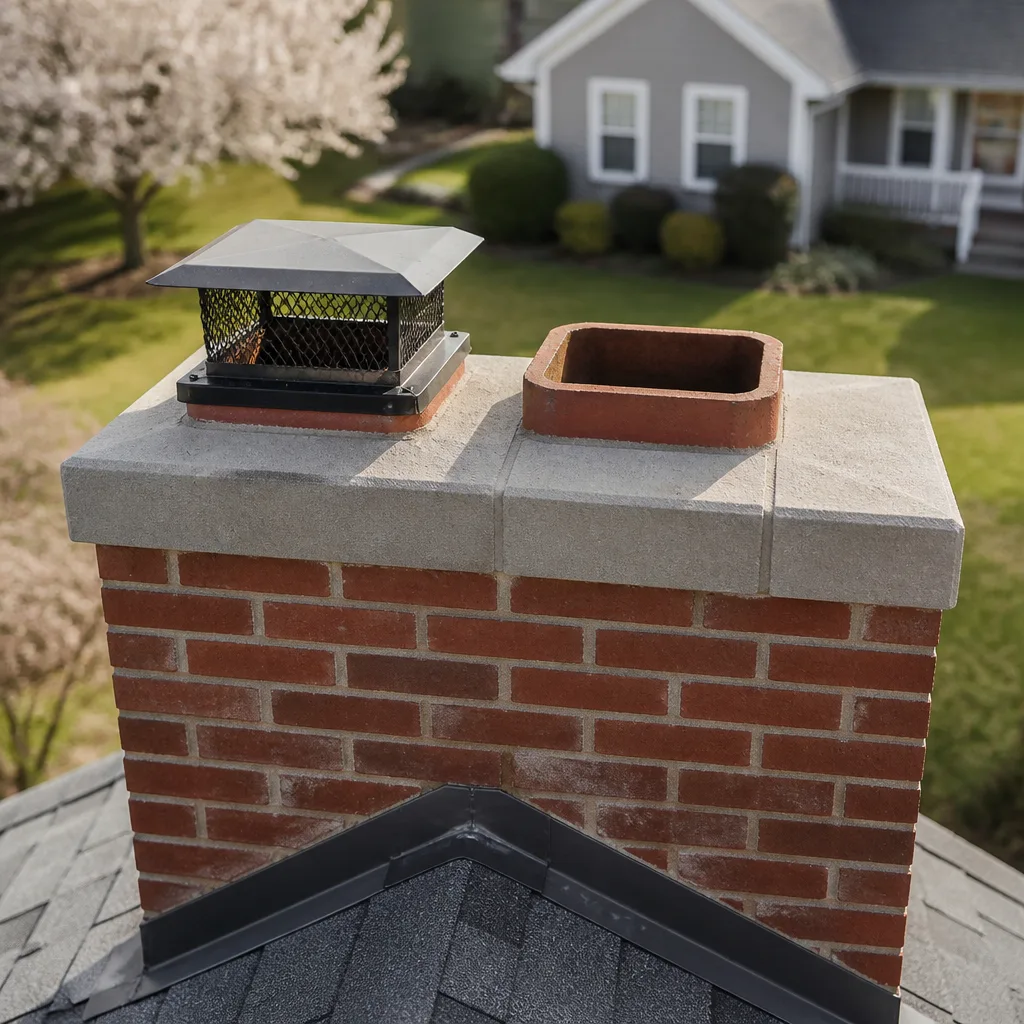 Sweep & inspection
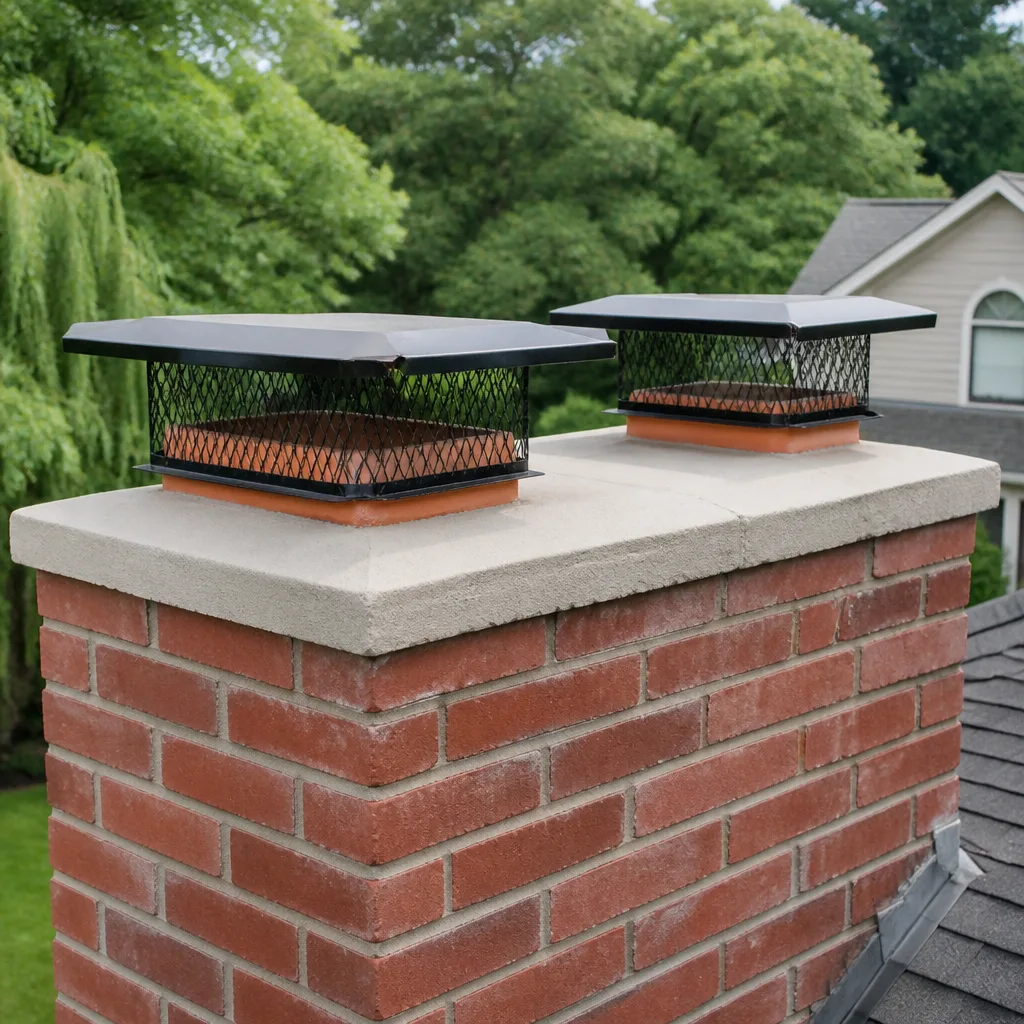 Caps & crowns
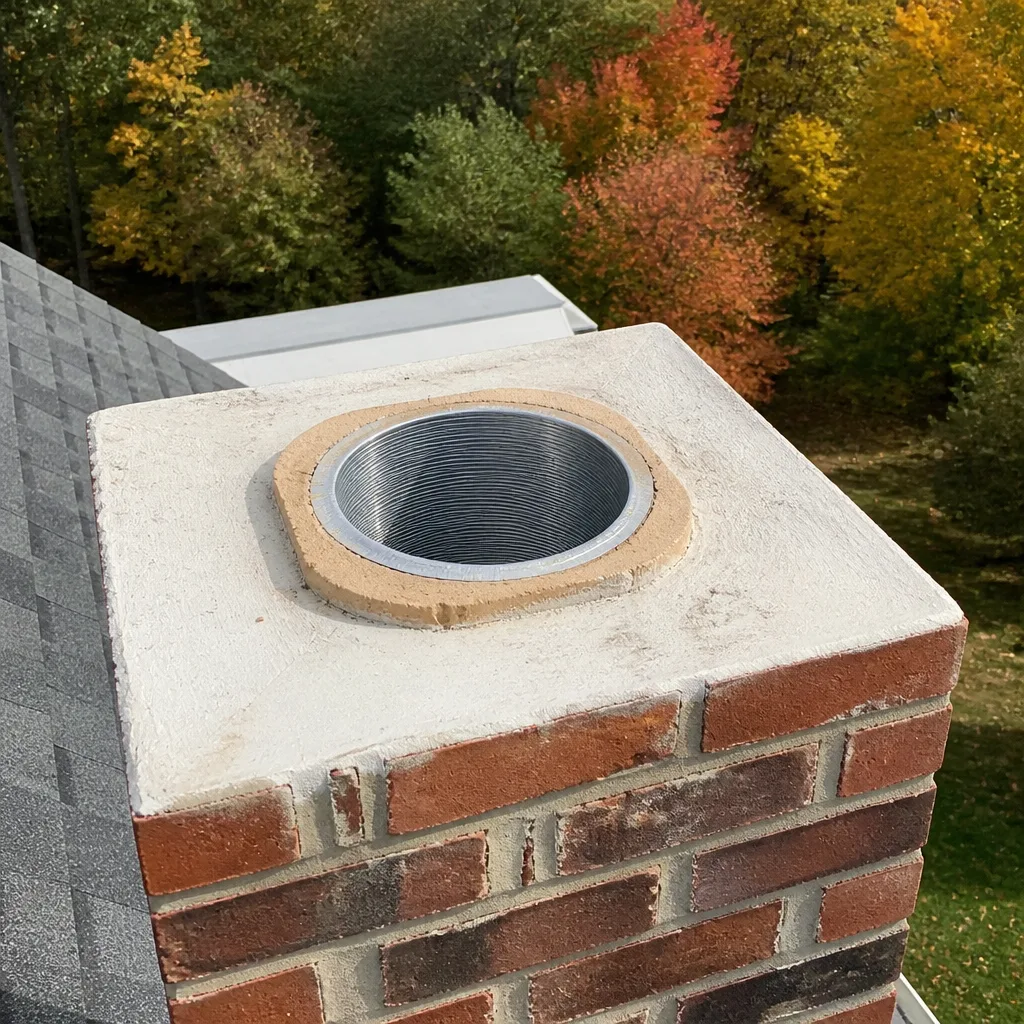 Flue relining
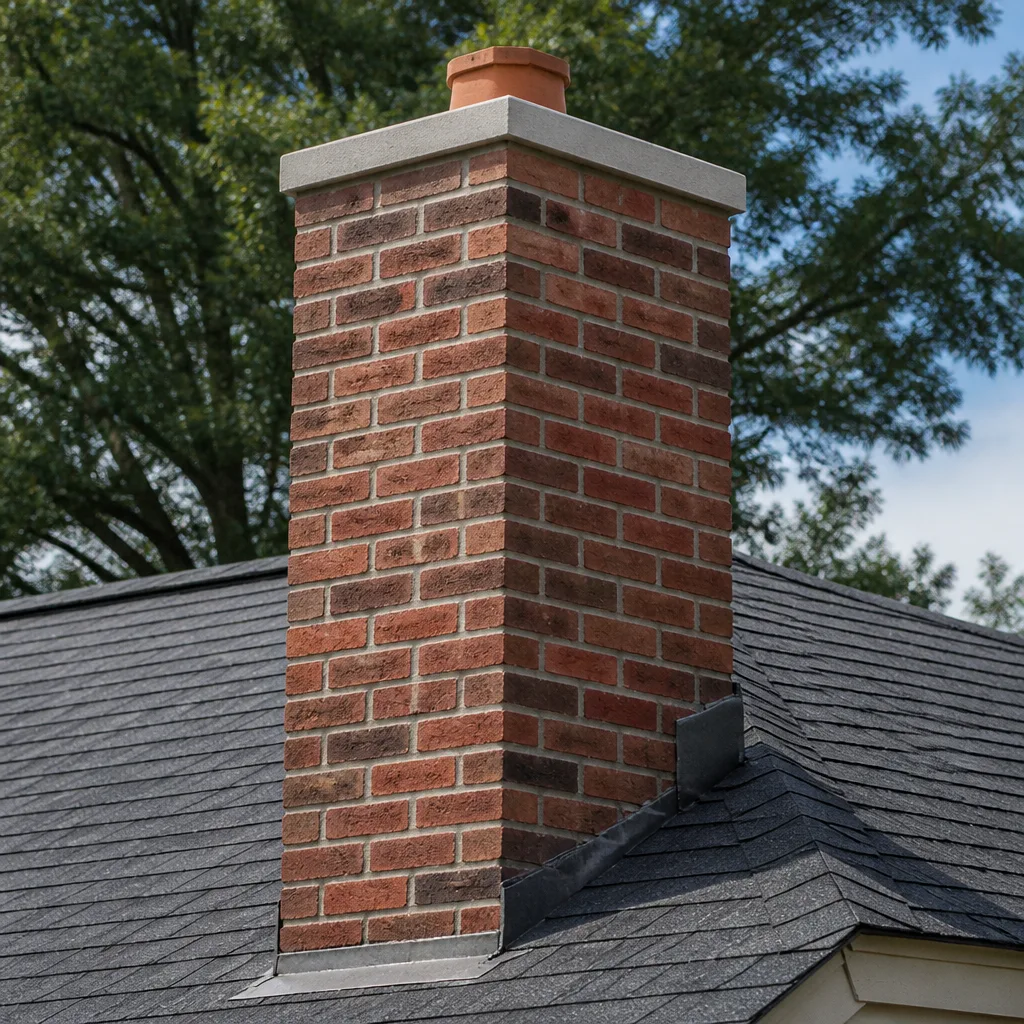 Masonry repair
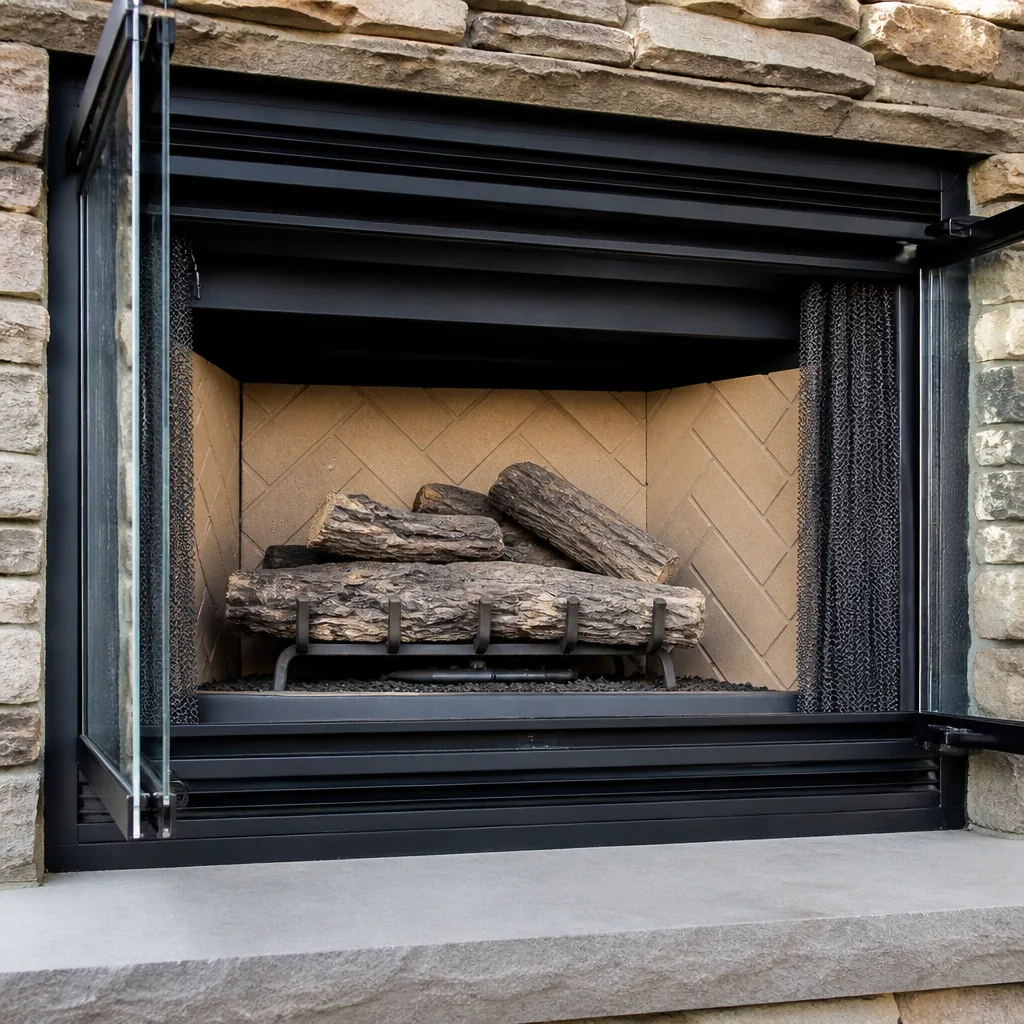 Gas fireplace service
Level 1 sweep and inspection to the NFPA 211 annual standard - flue, crown, cap, and flashing checked and photographed
Chimney sweep logs do not sweep chimneys. They loosen some creosote - which then falls where a brush and vacuum still have to collect it.
Chimney Cleaning Warning Signs: A Steele Creek Homeowner’s Reference Guide
A white stain running down the outside of your chimney isn’t cosmetic. It’s efflorescence, and it means water is actively moving through your masonry and pushing mineral salts to the surface as it evaporates. The brick face underneath is beginning to spall, and most homeowners paint over the stain. It comes back, because the source of the moisture was never fixed. That’s the pattern this guide is built around. The serious chimney problems in Steele Creek homes rarely announce themselves with flames or obvious smoke. They show up as a chalky streak, a faint smell after rain, a draft that doesn’t feel the way it used to. We’re going to walk through the subtle signals specifically, so you know what you’re looking at and when it means “schedule a sweep” versus “stop using the fireplace tonight.”
Quick Answer
The chimney warning signs that matter most are moisture evidence on the exterior (white, brown, or rust-colored staining), draft problems and smoke rollout indoors, odors that shift with weather, and sounds that indicate masonry movement rather than normal thermal settling. A third-stage glazed creosote deposit is the sign that changes your cleaning options entirely and usually requires professional removal before the fireplace is used again. In Steele Creek’s humid summers and cool, damp winters, moisture-driven deterioration is the single most common problem we see on inspection, and it’s the one most easily caught early by knowing what to look for.
Styles & brands we work with
- Sweep & inspection
- Caps & crowns
- Flue relining
- Masonry repair
- Gas fireplace service
Table of Contents
- What Exterior Chimney Stains Are Telling You
- Interior Warning Signs: Draft, Smoke Rollout, and Odor
- Creosote Stages: What Glazed Creosote Changes
- Normal Settling Sounds vs. Structural Movement
- Stop Using the Fireplace vs. Schedule a Cleaning
- What to Check Before You Call
- Caps, Crowns, and Why They Drive Most Warning Signs
- Seasonal Timing for Steele Creek Homes
What Exterior Chimney Stains Are Telling You
Walk out to the yard and look at your chimney from the ground with a pair of binoculars or your phone zoomed in. The color and pattern of any staining tells you which failure is likely underway. This is the fastest diagnostic you can do yourself, and it’s the one most homeowners skip.
- White, chalky stains (efflorescence). These are mineral salts pushed out of the masonry by water traveling through the brick. Water gets in through a failed crown, a cracked flue tile, or missing cap, then evaporates from the surface and leaves the salts behind. Efflorescence itself is harmless to touch, but it’s proof that moisture is actively moving through the masonry, which is the process that eventually causes spalling, where the brick face flakes and crumbles.
- Black soot staining on the exterior. On the outside of the chimney, black usually points to a draft problem pushing smoke back out through a joint, or a crown that’s deteriorated enough to let soot escape around the flue. It’s less common than white staining and should be looked at by an inspector.
- Brown or tan stains. These often mean water is carrying soil or mortar sediment through the masonry. It can also come from a rusted or deteriorating flashing at the roofline, which allows water to run behind the brick rather than shedding off it.
- Rust staining. Rust streaks usually originate from a rusted metal component: flashing, a chase cover on a prefabricated chimney, or a damaged damper assembly shedding rust water. A chase cover that’s rusted through is a common cause, and it’s exactly the kind of surface an Olympia Chimney replacement is sized for.
What ties all four together is water. Steele Creek’s summers run humid, and the fall and winter bring frequent wet spells with freeze-thaw cycles at the margins. Every freeze expands water trapped in a brick pore, and every thaw leaves a slightly wider crack. That’s why moisture problems caught in year one are cheap to fix and moisture problems ignored for several seasons become structural.
Interior Warning Signs: Draft, Smoke Rollout, and Odor
Inside the house, your nose and your eyes are the instruments. Draft and smoke behavior is the clearest early signal of a flue that’s restricted or blocked, and odor is often the first thing a homeowner notices before anything else feels wrong. Here’s how to read what you’re experiencing.
Draft problems
A fireplace that used to light easily and draw well but now smokes into the room at start-up usually has a restriction somewhere in the flue. The most common causes are a creosote buildup on the flue walls narrowing the path, a partially closed or broken damper, a bird nest or leaves sitting on top of the flue, or a cap that’s failing to move air the way it should. A cold flue draws poorly on the first fire of the season, so a single rough light-up isn’t alarming. A pattern across several fires is.
Smoke rollout
Smoke rolling out of the firebox into the room instead of going up the chimney is a flow problem. It can be as simple as a blocked flue or as consequential as a flue with a cracked tile that’s letting smoke escape into the chase. Stop using the fireplace and get an inspection before lighting another fire.
Odor types and what they mean
- A smoky, acrid smell that’s worst in warm or humid weather. This is typically creosote off-gassing. Creosote in the flue absorbs moisture from the air and releases a smoke smell into the house, especially on still, humid days. A sweep usually eliminates it, because you’re removing the source.
- A musty, wet-earth smell. This points to water entering the chimney system, often through a cracked crown or missing cap, with the moisture saturating the smoke shelf and the masonry around the firebox. It won’t go away with a sweep, because the water source has to be fixed.
- A dead-animal smell. Birds, squirrels, and raccoons get into uncapped flues. The smell is the animal or its nest. A cap install prevents it from happening again.
- A gas smell from a gas-log fireplace. This is not a chimney-cleaning issue. Stop, leave it off, and call your gas utility or a licensed gas professional. Never investigate a gas smell yourself.
Creosote Stages: What Glazed Creosote Changes
Creosote accumulates in three recognizable stages, and the stage determines what kind of cleaning is possible and how safely you can keep using the fireplace in the meantime. This is one of the most misunderstood parts of chimney care, so it’s worth explaining clearly.
- First-degree creosote. A light, flaky, soot-like deposit that brushes off cleanly with a standard sweep. It’s what accumulates after a handful of fires and is the normal state between cleanings.
- Second-degree creosote. A darker, crustier deposit that’s harder to remove than first-degree. It takes more work than a light brush pass to fully remove, and a sweep from a company set up for the full cleaning is what’s warranted at this stage.
- Third-degree glazed creosote. A hardened, shiny, tar-like layer bonded to the flue wall. It looks like black glass and can be very difficult to remove with brushes alone. Third-degree glazed creosote is highly combustible and represents a real fire risk, because it can ignite on its own from a hot flue. When we find it, we describe exactly what stage we’re seeing and what the realistic removal path is, whether that’s mechanical cleaning, chemical treatment, or in heavier cases resurfacing with a product like HeatShield, which is designed specifically for restoring a deteriorated flue without full demolition.
What changes when glazed creosote is on the flue wall is that a standard sweep is no longer enough. The cleaning method, the time, and the cost all shift, and using the fireplace before the deposit is removed raises the risk of a chimney fire. This is one of the reasons we inspect before we recommend. There’s no way to quote accurately for glazed creosote without seeing it, and camera inspection makes the stage obvious and verifiable to the homeowner.
What glazed creosote actually looks like
From the firebox floor looking up, third-degree creosote is a glossy black coating on the flue tiles with a slightly rippled, almost plastic finish. It doesn’t flake off the way soot does. It may smell strongly of tar or asphalt in warm weather. If a homeowner describes what they see to us this way, it’s a strong hint that the cleaning will be more involved than a routine sweep.
Normal Settling Sounds vs. Structural Movement
Chimneys make noise. Understanding which sounds are normal and which signal a problem keeps homeowners from calling for the wrong reason, and also from ignoring a sound that matters.
Normal settling sounds
- A quiet tick or click during warm-up or cool-down from the metal firebox or damper assembly flexing.
- The low hum of a fire drawing air up the flue.
- A soft creak from wood framing near the roofline during large temperature swings, winter or summer.
Structural movement sounds
- Grinding, scraping, or cracking sounds from within the masonry itself, especially after rain or during a freeze-thaw cycle.
- Sounds accompanied by visible cracking in the firebox, on the crown, or on the brick face. Cracks in the firebox masonry in particular should be attended to before the next fire.
- Loud popping or a hollow thud on a windy day that tracks with the wind. This can indicate a loose crown, a compromised cap, or a flue that’s separating from the masonry.
- Any sound of debris falling inside the chimney. That could be broken tile, spalling brick, or a bird nest giving way, and it means the flue needs an inspection before the next burn.
In Steele Creek’s neighborhoods, many homes sit on older masonry chimneys with crowns that were poured years ago and have since cracked from freeze-thaw and normal thermal cycling. A cracked crown doesn’t usually announce itself loudly. It shows up as moisture in the firebox or white efflorescence on the outside wall. A chimney cap & crown inspection is worth doing any time you hear a sound you can’t attribute to normal temperature movement.
Stop Using the Fireplace vs. Schedule a Cleaning
Not every warning sign is urgent. The most useful thing a homeowner can know is which signs mean “put the fire out and call” and which mean “schedule a sweep in the next few weeks.” Here’s the split we use.
Stop using the fireplace immediately
- Smoke rolling out of the firebox into the room on a normal fire.
- A strong, persistent odor of creosote or a hot, tar-like smell from the chimney itself.
- Visible glazed creosote on the flue wall.
- Any debris falling into the firebox after a fire.
- Visible cracking in the firebox masonry, damaged flue tiles, or a flue that looks shifted or displaced.
- A chimney fire has occurred, even if it was short and self-extinguished.
- A strange or unexplained smell in the house with no fire lit, that isn’t attributable to normal household sources.
- Any gas smell from a gas-log fireplace: leave it off and call your gas utility.
Schedule a cleaning in the near term
- A smoky smell inside the house on humid days, with no visible glazed creosote.
- A draft that’s getting weaker over time, but the fire still lights and draws.
- Efflorescence or brown staining on the exterior that’s new or growing, without firebox cracking.
- A rusted cap or a missing cap allowing water and animals into the flue.
- Soot staining at the top of the firebox that’s thicker than it used to be.
- It’s been a while since the last sweep and you can’t remember when it was done.
The distinction matters because using a fireplace that’s actively failing can turn a routine cleaning into a repair. If your fireplace falls in the first list, stop and get an inspection. If it falls in the second, book a chimney sweep and get the flue examined at the same time.
What to Check Before You Call
You don’t have to diagnose a chimney to know when to call one. But there are a handful of checks a homeowner can make safely that make the conversation with a sweep more precise and save a diagnostic step. Don’t do anything on this list that requires getting up on the roof, opening an electrical panel, or working with gas.
- Look at the exterior from the ground. Note any staining and its color, and whether the crown at the top looks intact through binoculars or a zoomed phone photo.
- Open the damper and check the firebox. Look for soot patterns, visible cracks, and any debris on the smoke shelf. Do not reach up into the flue.
- Light a small test fire and observe. Watch how the smoke behaves at start-up. If it rolls out, put out the fire and stop there.
- Check for a cap. If the top of your chimney has nothing covering it, animals and rain have open access, and that’s a straightforward fix.
- Note the odors. Smoky, musty, dead-animal, and gas-like are four distinct problems with four distinct responses. Note which one you smell and when.
When a sweep comes out, we recommend having a Level 1 or Level 2 inspection performed as part of the visit. Level 2 is the one that uses a camera and covers the flue interior, and it’s the inspection that actually shows third-stage creosote, tile cracks, and other internal problems. We perform both levels as a standalone service, so you can have the inspection done whether or not there’s a cleaning attached to it. That matters for homeowners who want a second opinion before committing to work.
Caps, Crowns, and Why They Drive Most Warning Signs
Most of the warning signs on this list trace back to two components at the top of the chimney: the cap and the crown. Both are cheap to install or repair when addressed early and expensive to fix once water has had years to work through the masonry. A chimney cap does two jobs: it keeps rain and snow out of the flue, and it keeps birds, squirrels, and raccoons from nesting inside. It also helps with downdraft issues on chimneys that sit in a wind-prone part of the roofline, which is worth knowing about in the older neighborhoods around Steele Creek where rooflines vary house to house. The crown is the concrete surface at the very top that sheds water off the whole chimney. A cracked or deteriorated crown lets water run down into the masonry, which is the mechanism behind the efflorescence we started with.
When we address caps and crowns, we install Gelco and Famco caps, installed with attention to sizing for the flue it’s covering, and we treat the crown so it sheds water off the chimney the way it was originally intended to. This is the same category of work a chimney repair involves, which is why we handle it under the same roof. If you’re seeing white staining, a rusted cap, or water in the firebox after a rain, an inspection is the right next step. It’s a routine part of the work we do on homes across Steele Creek.
Seasonal Timing for Steele Creek Homes
Steele Creek weather sets the calendar for chimney care. Summers are hot and humid, and that humidity is what drives the smoky creosote odor homeowners notice on the muggy days when the air conditioning is off and windows are open. Fall and early winter bring the first fires of the season, and those are the fires that tend to reveal a draft problem that was there all along. Winter’s freeze-thaw cycles are the period when masonry cracks and crowns grow, because water trapped in a pore expands into a crack, then a slightly larger one next freeze. Spring rain is when homeowners notice the efflorescence and interior moisture most clearly, because the chimney has had a full season of moisture to work into it.
The practical upshot is that the best time to have a chimney sweep and inspection done is before the first cold snap, so the flue has been examined and cleaned before you’re relying on it every night. And the best time to catch a failing cap or crown is the same visit, because it’s cheap to install a cap in the fall and expensive to repair water-damaged masonry in the spring. If you’ve never had an inspection on your Steele Creek home and you’re not sure when the last sweep was, this is the season to get one. Routine maintenance on the front end is what prevents structural repairs on the back end.
Between Steele Creek’s humidity and its freeze-thaw cycles, the warnings compound faster here than homeowners expect. A sign that would take three years to mature in a drier climate can develop in a single season when water’s involved. Pay attention to the order in which things show up: exterior staining first, then interior odor, then draft issues, then structural sounds. Once you know the sequence, you can catch a problem in the early stages instead of after the firebox has started to smoke into the room.
Common Mistakes to Avoid
- Painting over efflorescence. It’s not a cosmetic issue, and it will come right back through the paint because the moisture source wasn’t addressed. The fix is at the crown, the cap, or the flashing, not the surface.
- Assuming a smoky smell in summer is old smoke. In Steele Creek’s humid summers, creosote off-gasses moisture, and the house smells smoky with no fire lit. That’s a strong sign the flue has been left too long between cleanings.
- Burning softer woods to try to clean the chimney. This doesn’t clean the flue. It adds creosote faster. There’s no shortcut here: creosote comes off with a proper sweep or, in glazed cases, a specific treatment.
- Using the fireplace after a chimney fire “because it didn’t cause damage.” Even a small flue fire can crack tiles and score the flue wall, and continuing to burn on compromised masonry is exactly how a small fire becomes a house fire. Get an inspection before the next fire.
- Skipping the inspection because a neighbor lent you their brush. A brush doesn’t diagnose a flue, and Level 2 inspection with a camera is the only way to know if the interior is intact. Or a flue tile cracked, or the flue was lined with glazed creosote.
- Ignoring a cap that’s blown off. It’s a small component with an outsized job. An uncapped flue is open to rain and animals, and a bird nest is the most common cause of a sudden draft failure in the fall.
- Waiting until the first cold snap to call. Scheduling a sweep and an inspection before you need the fireplace gives you time to address whatever turns up, without the pressure of a cold night and no fire.
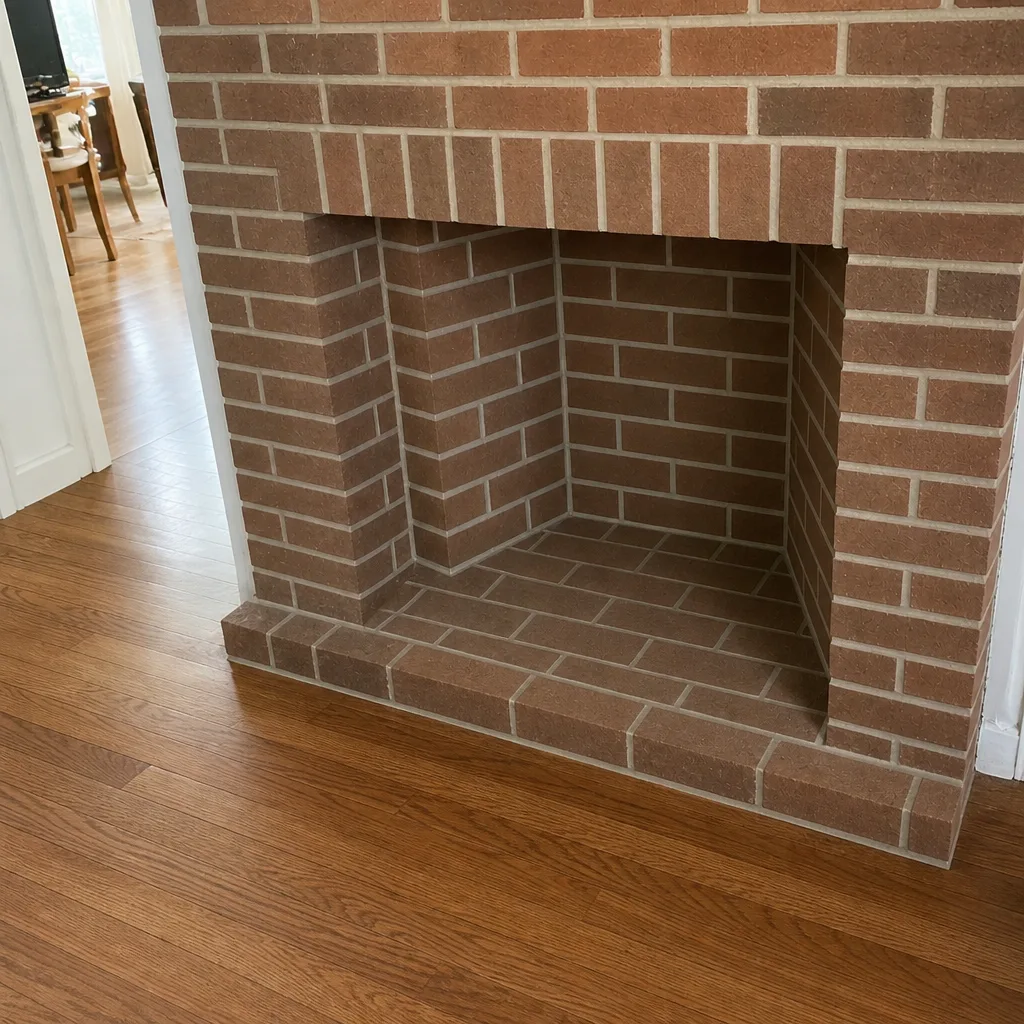
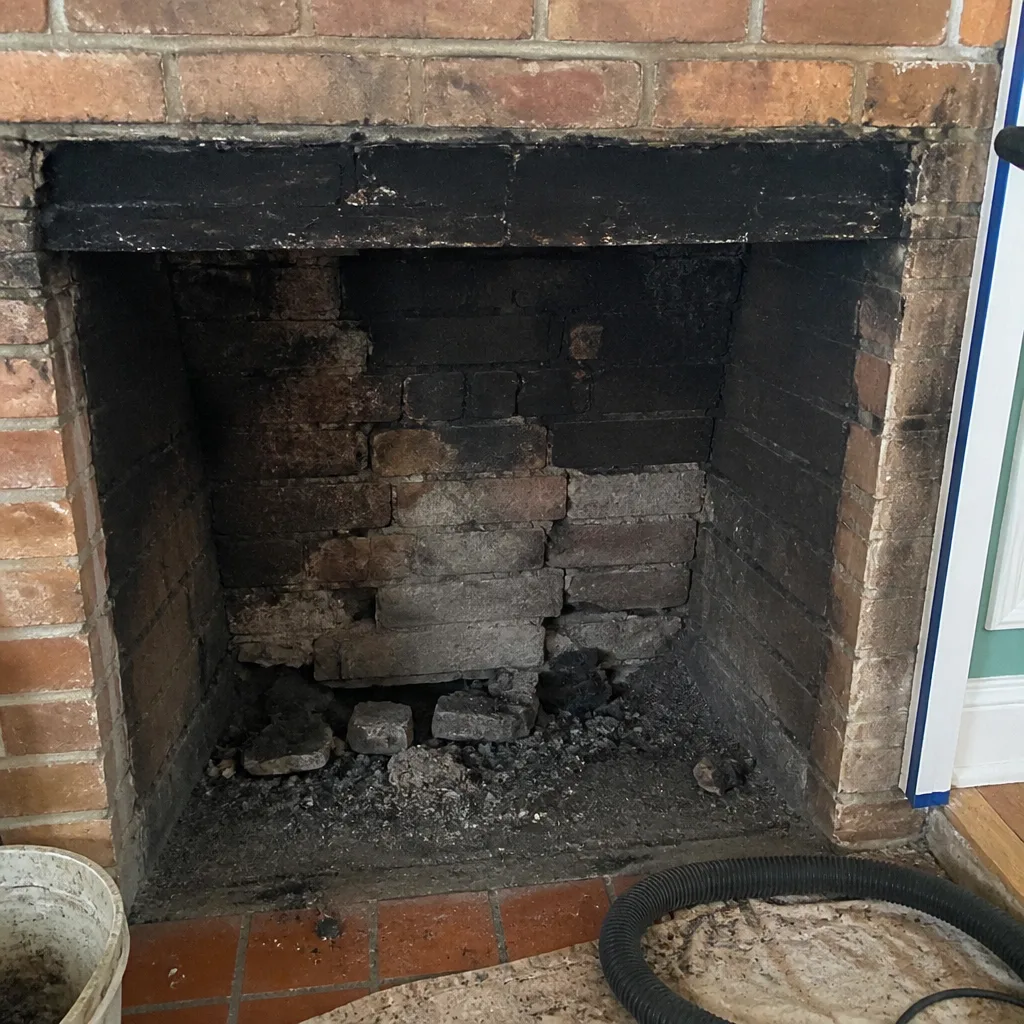
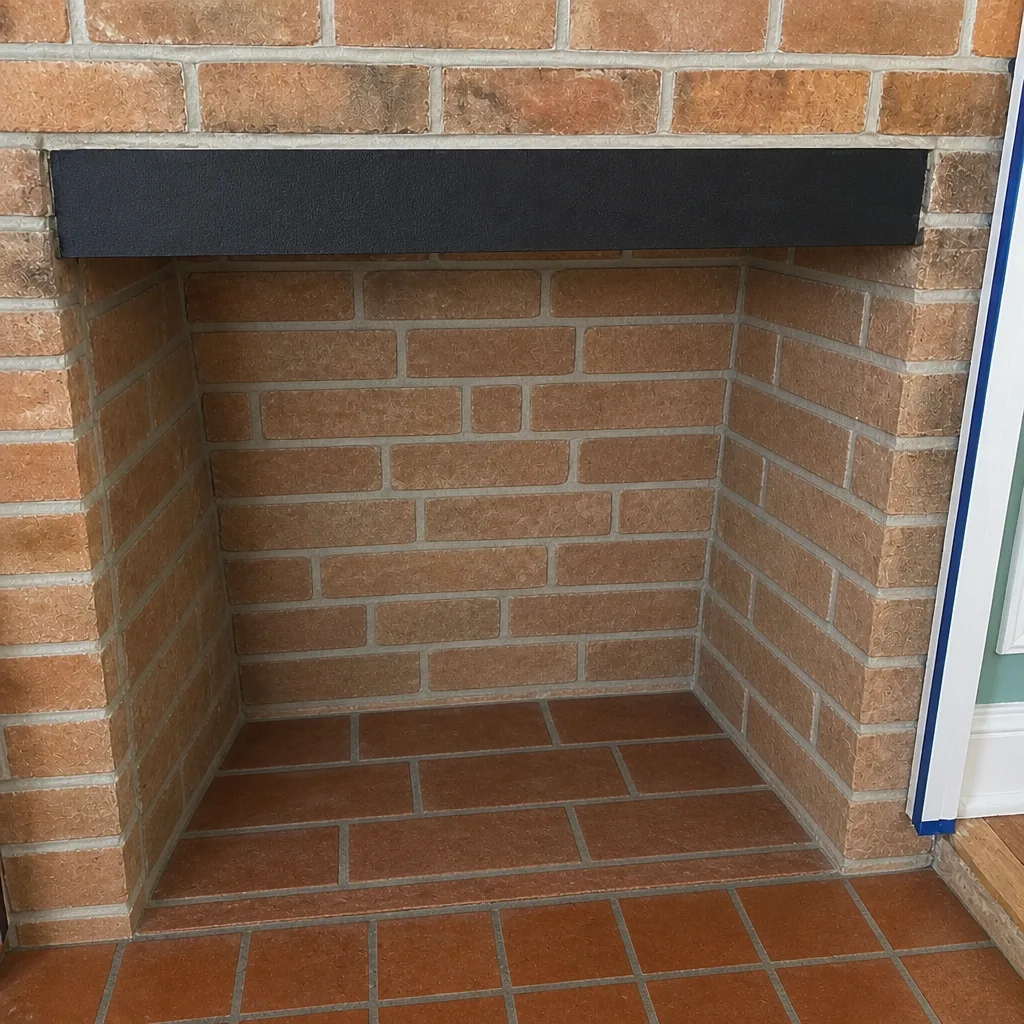
See the difference
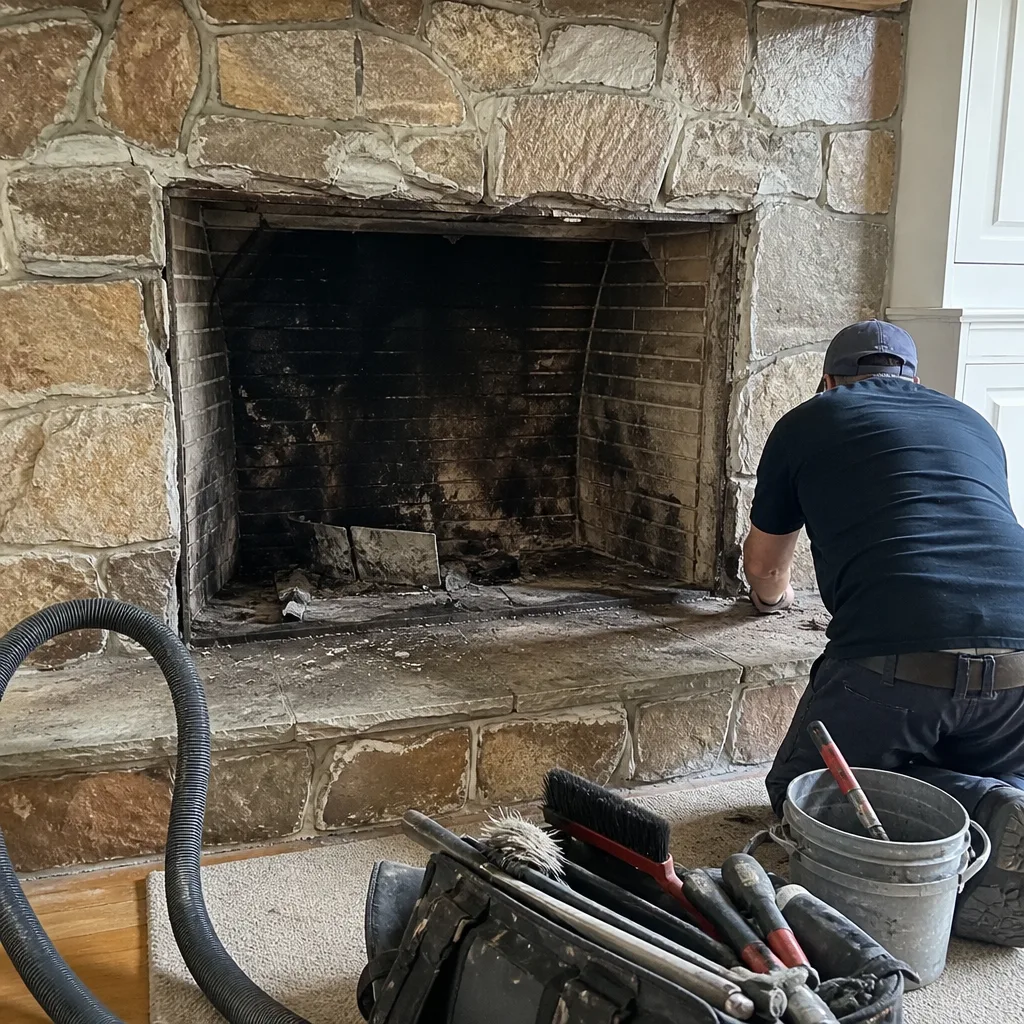 Before
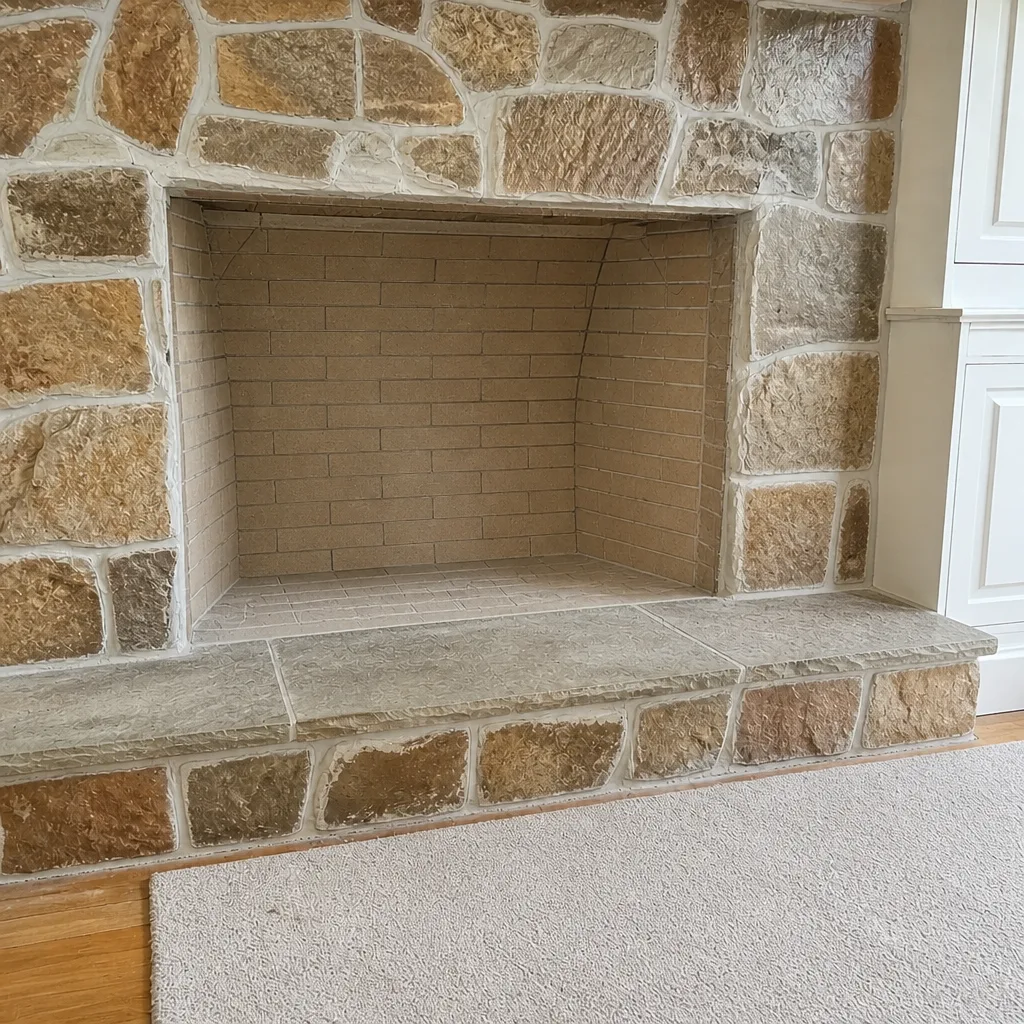 After
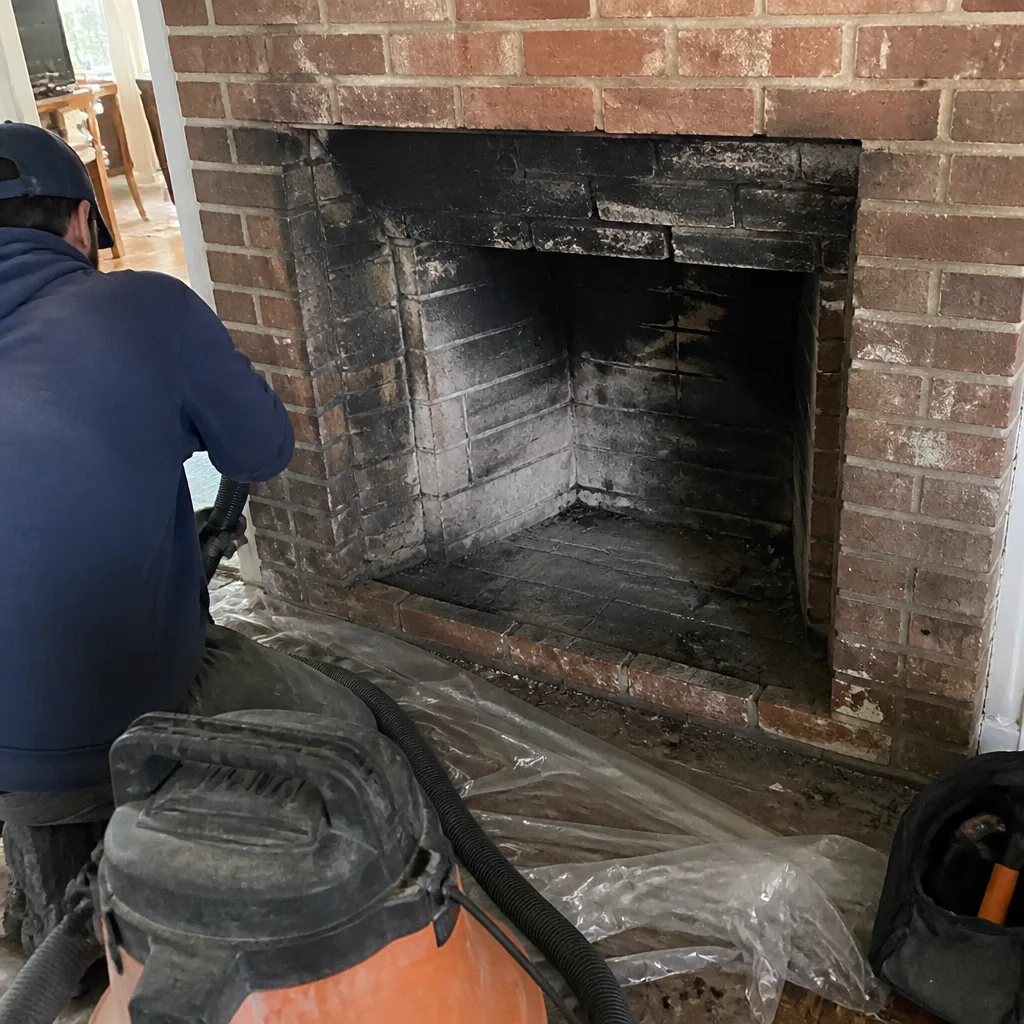 Before
 After
 Before
 After
When to Call a Professional
Call for a professional inspection if you see glazed creosote on the flue, smell a smoky or tar-like odor indoors, notice smoke rolling out of the firebox, or see visible cracking in the firebox masonry. Call if you’ve had a chimney fire, if debris is falling into the firebox, or if the draft has worsened over a season. Call if a cap has blown off or is rusted through, if you see efflorescence or brown staining on the exterior, or if you can’t remember the last time the flue was swept. We’ve walked homeowners in Steele Creek through each of these situations, and the pattern is always the same: a sign caught early is a sweep or a cap, a sign caught late is a structural repair. Chimney Sweep Steele Creek offers free estimates in Steele Creek. Call (888) 848-8714 to schedule an inspection or a cleaning.
Frequently Asked Questions
Efflorescence, the white chalky stain on the exterior of the chimney, is the sign most homeowners miss because it reads as cosmetic. It’s actually proof that water is moving through the masonry, and water is the source of nearly every structural chimney problem. Catch it early with a cap, crown, or flashing repair, and the masonry stays intact. Call (888) 848-8714 for an inspection.
Usually yes, especially in summer or humid weather. Creosote in the flue absorbs moisture and releases a smoky odor into the house, and the volume of the smell is a rough proxy for how much buildup is on the flue wall. A sweep removes the source. A musty, wet smell instead points to water intrusion and needs a different fix. Either way, an inspection is the right call.
It looks like glossy black glass or tar bonded to the flue wall, often with a rippled surface and a strong tar or asphalt smell in warm weather. It doesn’t flake off the way soot does. Third-stage creosote is combustible and needs to be removed professionally before the fireplace is used again. Standard brushing may not be enough on its own, and in heavier cases resurfacing with a product like HeatShield, or in some situations a DuraFlex liner system, is the right path.
Normal sounds are quiet ticks and clicks from metal components as they warm up and cool down, and an occasional soft creak during big temperature swings. Alarm bells are grinding, cracking, or hollow-thud sounds from the masonry itself, especially after rain, during a freeze-thaw cycle, or on a windy day. Any debris falling into the firebox is a sign to stop using the fireplace and get an inspection.
A cap does two jobs that keep the chimney healthy: it keeps rain and snow out of the flue, and it keeps birds, squirrels, and raccoons from nesting inside. An uncapped flue is open to both problems, and both cause cleaning or draft issues. We install Gelco and Famco caps, and a cap install is usually the least expensive way to close off a major source of chimney problems. Call (888) 848-8714 for a free estimate.
Not safely if the creosote is the glazed, tar-like third-stage kind. First- and second-stage deposits are what a routine sweep removes before the next season, and burning until the flue is clean is what most homeowners do, but glazed creosote is a different matter because it can ignite. If you’re not sure which stage you’re looking at, don’t guess. An inspection with a camera makes it obvious and gives you a clear recommendation either way. Call (888) 848-8714 for an exact quote.
The Bottom Line
Chimney warning signs are mostly quiet, which is exactly why they get ignored. The white stain on the exterior is water, the smoky smell in July is creosote, the hollow thud on a windy day is movement, and the glossy black coating on the flue is glazed creosote that changes what kind of cleaning you need. Catch those signs early with a routine chimney sweep and inspection, and most of what follows is a cap, a crown, or a fireplace repair. Catch them late and the work is structural. If you’ve seen any of the signs in this guide on your Steele Creek home, or you can’t remember when the flue was last swept, a Level 1 or Level 2 inspection is the fastest way to know what you’re dealing with. The technicians we connect you with have up to 12 years of experience, use professional-grade materials including DuraFlex, HeatShield, Gelco, and Olympia Chimney, and can walk you from inspection through cleaning, cap and crown work, and any structural repair under one company.
Call (888) 848-8714 for a free estimate. We answer 24/7, with fast dispatch from 7am to 7pm, Sunday through Friday.
If you’re still piecing together the state of your whole chimney system, start with Chimney Sweep Steele Creek and we’ll walk you from inspection through repair or a chimney cap & crown install.
Written by the team at Chimney Sweep Steele Creek.