
Last updated November 22, 2026
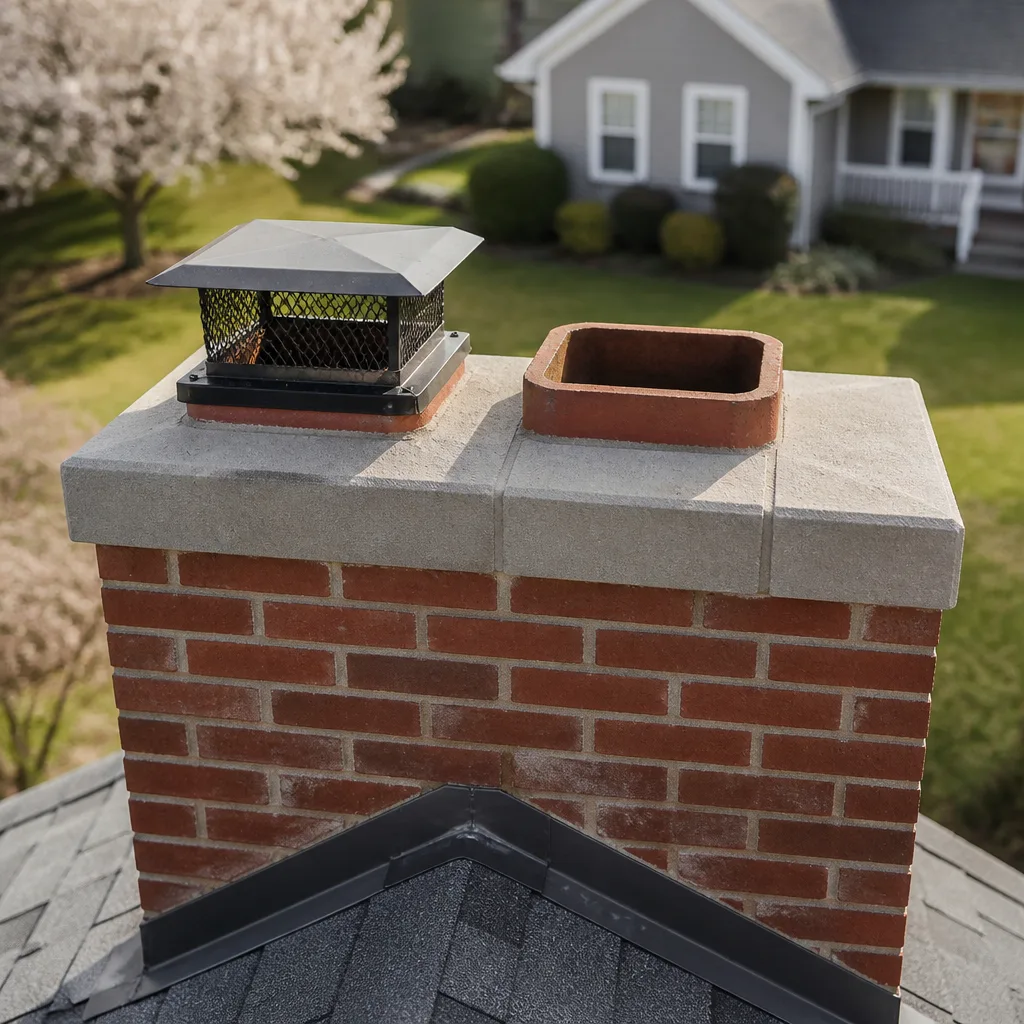 Sweep & inspection
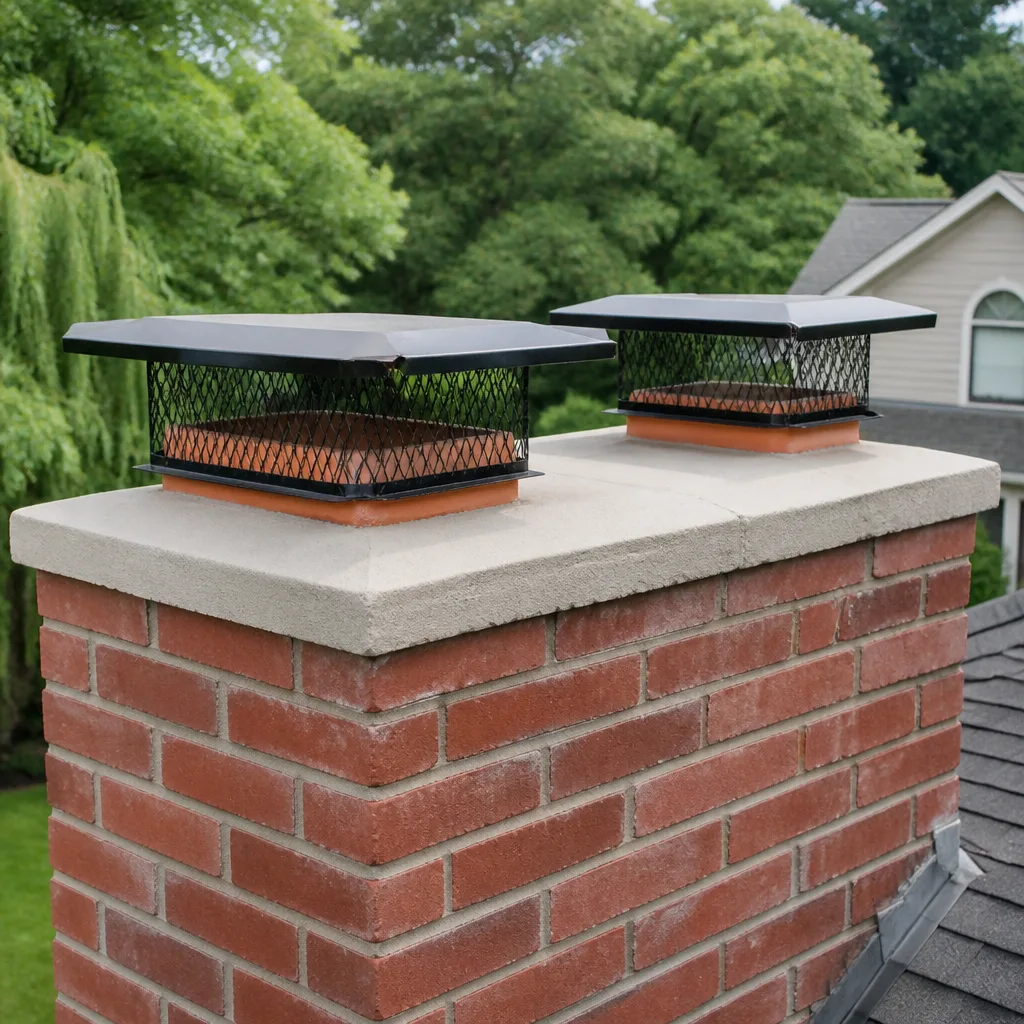 Caps & crowns
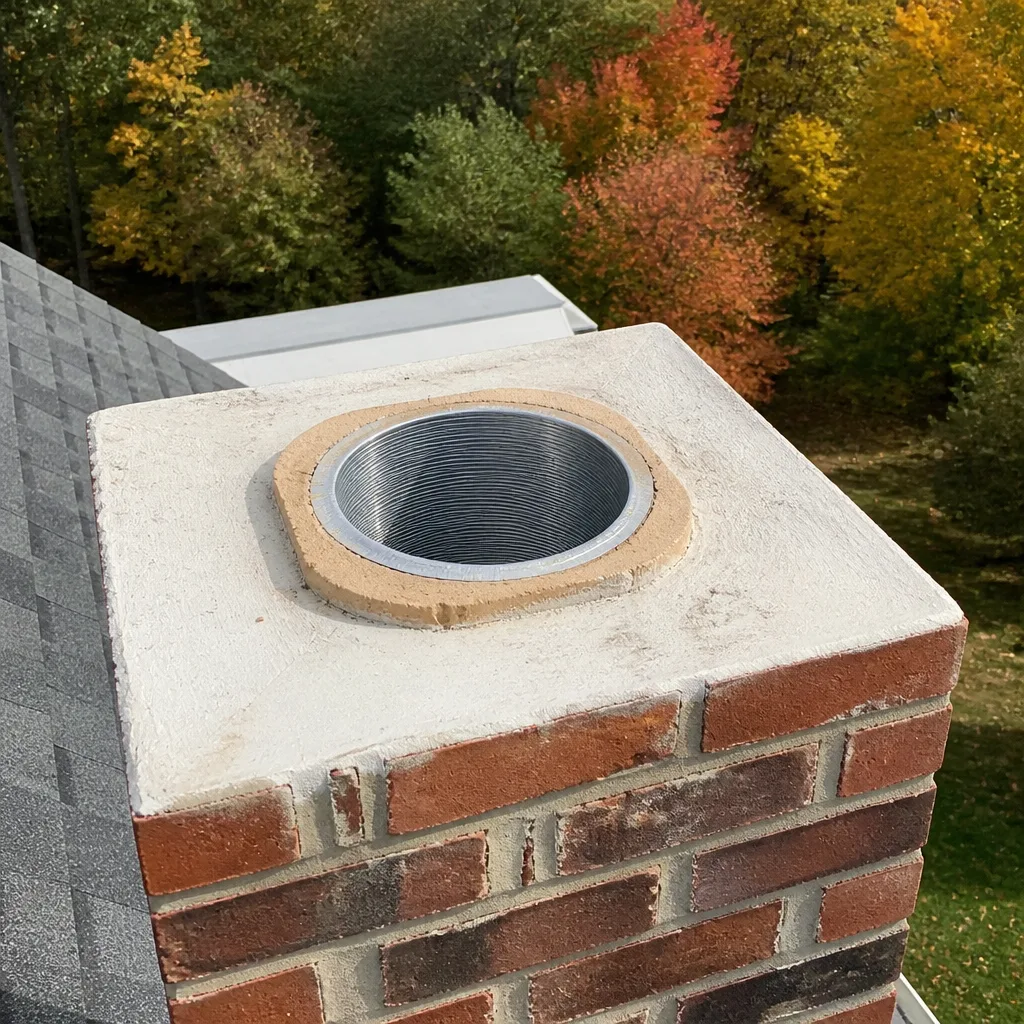 Flue relining
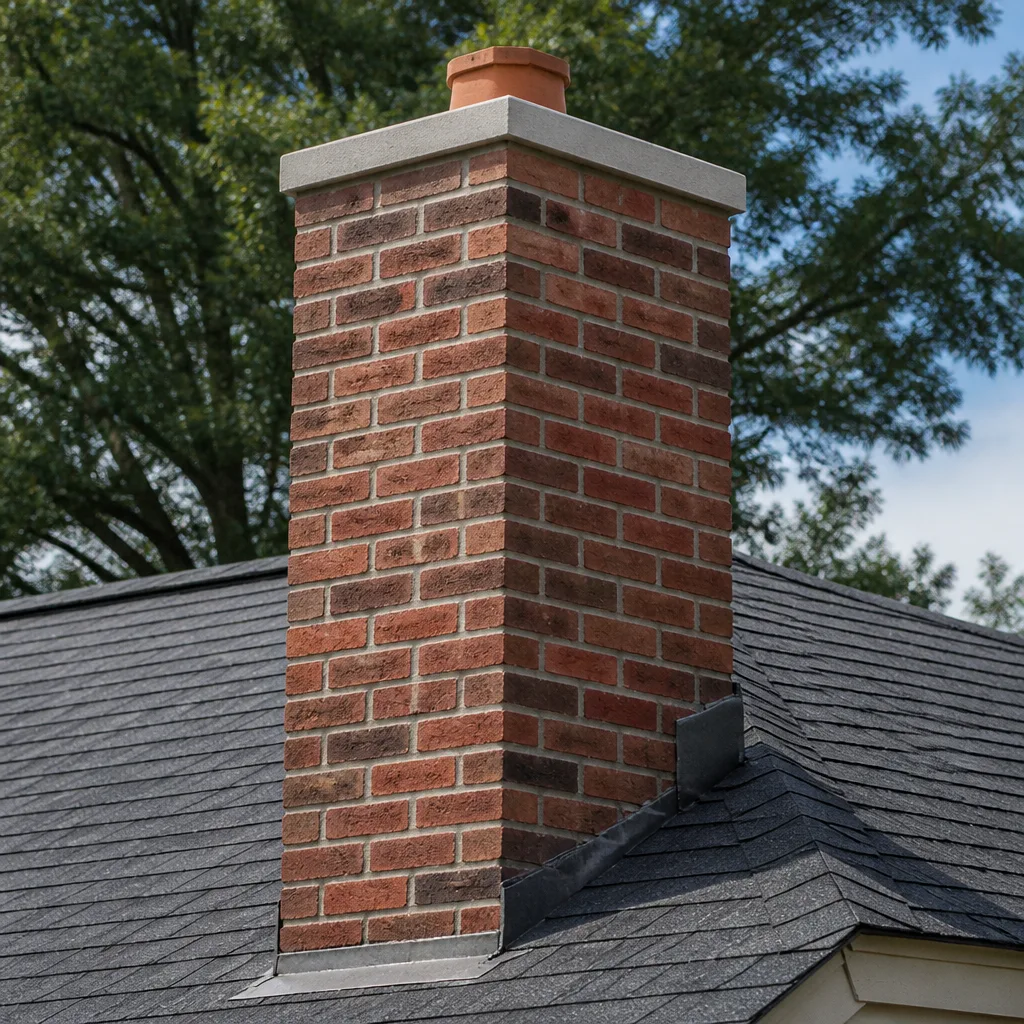 Masonry repair
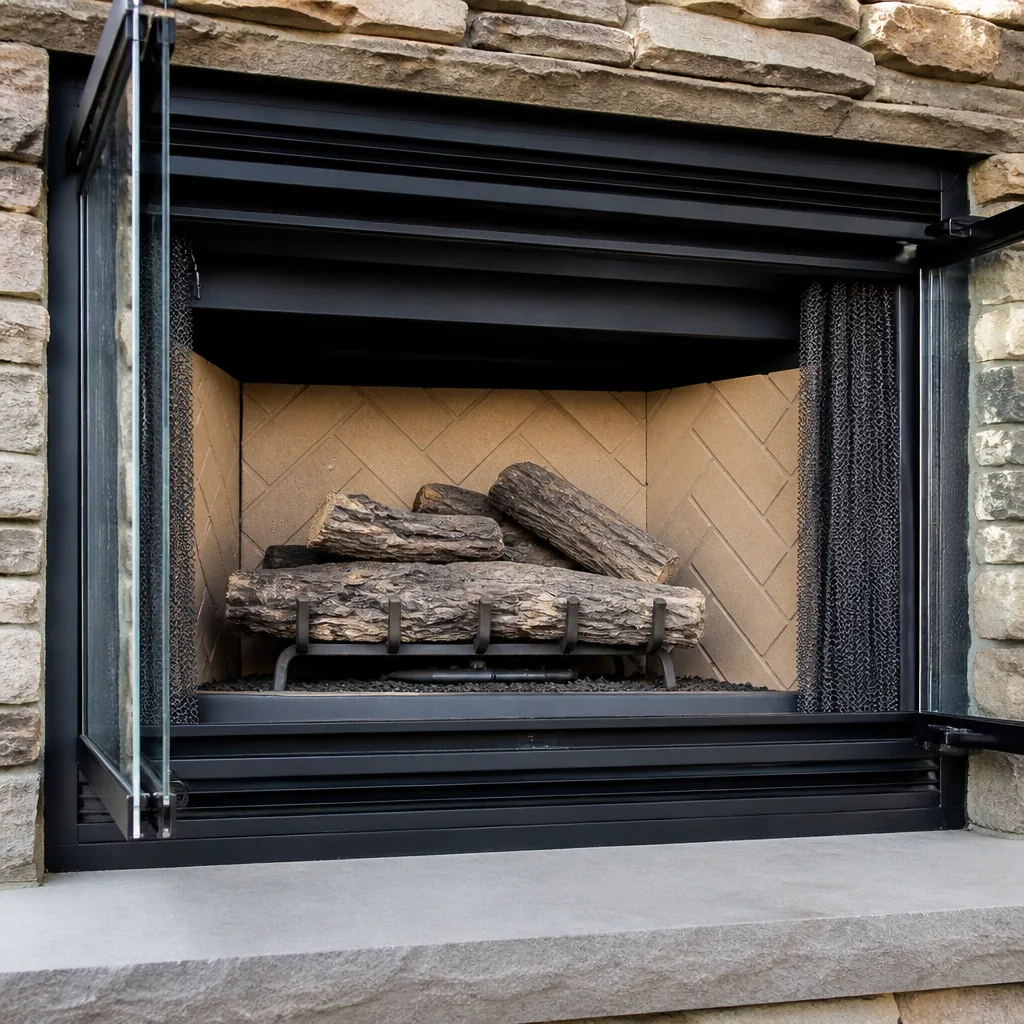 Gas fireplace service
Level 1 sweep and inspection to the NFPA 211 annual standard - flue, crown, cap, and flashing checked and photographed
Chimney sweep logs do not sweep chimneys. They loosen some creosote - which then falls where a brush and vacuum still have to collect it.
Choosing the Right Chimney Cleaning Brand: A Buyer’s Guide for Steele Creek
Two chimney companies can hand you the same quote and use wildly different products behind it. One applies a ceramic flue resurfacing system engineered for chimney temperatures. The other grabs a tub of generic refractory mortar off a hardware shelf. The invoice reads the same either way. What happens over the next several heating seasons does not. This guide is about the part of a chimney quote nobody asks about: the actual products, their temperature ratings, their warranties, and what a straight answer from a contractor sounds like compared to a scripted one. Steele Creek homeowners deserve to know what’s going into their chimney before they pay for it.
Quick Answer
The right chimney cleaning brand depends on what the product actually does: professional-grade liner repair systems like HeatShield and flexible liners like DuraFlex carry tested temperature ratings and warranty terms that consumer products don’t. Ask any contractor exactly which product they’ll apply, in which product category, and request the manufacturer’s spec sheet before you approve the work. A vague answer (“good quality materials”) is your cue to get another quote.
Styles & brands we work with
- Sweep & inspection
- Caps & crowns
- Flue relining
- Masonry repair
- Gas fireplace service
Table of Contents
- What product categories make up a chimney job?
- What does “professional-grade” actually mean in chimney product specs?
- Sealants and liner repair systems: what each one does
- Consumer creosote removers vs. professional chemical treatments
- Why stainless steel liner gauge and alloy rating matters
- Crown coatings and why the crown fails first
- How to ask a contractor what products they use
- Common mistakes to avoid
What product categories make up a chimney job?
Most homeowners think of chimney work as one task. In practice, the products used on a single job fall into four distinct categories, and each one solves a different problem. Understanding the categories is the first step toward asking better questions.
- Sealants and masonry compounds: Used to close gaps at the crown, flashing, mortar joints, and around the firebox. The right product here is flexible enough to absorb movement and rated for the heat exposure of that location.
- Flue liner repair and resurfacing systems: Applied when the clay tile or original flue lining is cracked, spalling, or deteriorated but still structurally present. This is the category where HeatShield lives: a ceramic-based resurfacing system engineered specifically for chimney flues rather than adapted from a generic mortar product.
- Relining systems: Used when the flue is too far gone for resurfacing or when the appliance needs a properly sized new liner. Flexible stainless systems like DuraFlex are built for this, and the term “flexible stainless” covers a range of products with very different specifications.
- Creosote treatment products: Chemical treatments applied before or during a sweep to break down heavy glazed deposits (Stage 2 creosote) that ordinary brushing won’t remove. More on this in a dedicated section below.
Each category has manufacturers that trade professionals recognize and products that are sold only through trade channels. When you get a quote from a chimney company in Steele Creek, ask which product in each category applies to your job. A professional using HeatShield or a DuraFlex liner will name it without hesitation. A company using an off-brand equivalent often won’t.
What does “professional-grade” actually mean in chimney product specs?
“Professional-grade” is not a regulated term. Any manufacturer can print it on a label. So how do you tell the difference between a real trade product and a marketing claim? Three things show up in the specs of every genuinely professional chimney product, and you can ask for all three in writing.
- Temperature rating: Chimney liners and flue repair products must be rated for the temperatures the chimney actually sees. A flue connected to a wood-burning fireplace can see high heat during ignition and chimney fires, and a product intended for that duty is rated accordingly, well above what a standard masonry mortar would tolerate. Ask for the manufacturer’s stated maximum temperature and compare it to the application.
- Certification to a recognized standard: Professional chimney products carry designations from standards bodies such as ASTM or listings from a nationally recognized testing laboratory. A product sold only on the hardware shelf often has no listing beyond a general building-material label.
- Warranty length and terms: This is the simplest honest bar. Consumer sealants typically carry no warranty or a very limited one. Professional flue resurfacing systems and stainless flexible liners carry multi-year manufacturer warranties that the installing contractor must qualify for. That warranty is the manufacturer standing behind the product for years, not just for the moment you pay the invoice.
The clearest way to test a contractor’s honest knowledge is to ask: “What temperature is the product rated for, and what does the manufacturer’s warranty cover?” A craftsman with real product knowledge can answer both. A company using whatever was cheapest at the supply house usually can’t.
Sealants and liner repair systems: what each one does
These two categories get confused constantly, so let’s separate them. A sealant addresses gaps and joints. A liner repair system addresses the interior surface of the flue itself. Missing this distinction is how a homeowner ends up paying for a “repair” that doesn’t fix the actual problem.
Sealants are for the crown, flashing, mortar joints, and firebox perimeter. The material must be able to move slightly with temperature swings without cracking, because Steele Creek’s seasonal heat and cool cycles put stress on every exterior masonry surface. A sealant that hardens rigidly will crack within a season or two.
Liner repair systems are used when the flue interior has cracks, spalling, or surface deterioration but is still sound enough to receive a resurfacing layer. HeatShield is the clearest example of a product engineered specifically for this: a ceramic-based system applied inside the flue to restore a smooth, sealed surface without tearing out the original lining. It sits in a useful middle ground between a full reline and doing nothing. In our experience, that middle ground is often exactly what a flue needs, and it’s also the option most likely to be skipped by a company that only offers two choices: clean it or reline it.
If a contractor says “we’ll resurface the flue” without naming a product or system, ask. And this applies equally when the work involves fireplace repair, since the same product-quality question runs through the firebox and the flue above it. Ask whether the repair product is rated for flue duty or is a general mortar, and request the spec sheet before you approve.
Consumer creosote removers vs. professional chemical treatments
You can buy a creosote remover at a hardware store. You can also buy a professional-grade chemical treatment through a trade supplier. They are not the same product, and the difference matters most when the buildup is serious.
Creosote forms in stages. Stage 1 is light soot and flaky deposit that a standard brush removes during a routine sweep. Stage 2 is glazed, tar-like, and the most common cause of chimney fires when it’s allowed to build. Consumer creosote removers, especially the powder-in-the-fire variety, are designed for light maintenance, slowing new deposit from forming, or softening a thin layer over time. They are not built to break down heavy Stage 2 glazing in a single visit.
Professional chemical treatments used during a sweep are formulated to penetrate and break down glazed deposits, so brushing can actually remove them instead of riding over the top. The difference is concentration, dwell time, and the applicator’s training to use them safely in a flue. Applied wrong, a consumer product makes almost no difference; applied right, a professional treatment turns an hours-long scraping job into a producible outcome.
This is also where a sweep checks the result visually. Every chimney sweep we connect a homeowner to should include a camera inspection and a photo report, so you can see for yourself whether the deposit came off or is still there. If heavy glazing remains after a “cleaning,” it will return and thicken. Ask how the sweep verifies removal before the job is called complete.
Why stainless steel liner gauge and alloy rating matters
A stainless steel flexible liner is not one product. The alloy and wall thickness narrow down which applications it’s built for, and choosing the wrong one shortens its life noticeably. This is one of the most common places someone unknowingly buys the wrong product.
- Type 304 stainless: A general-purpose alloy commonly used for wood-burning appliance liners. It handles the temperatures of a wood fire well when it’s the right gauge and installed correctly.
- Type 316L stainless: A more corrosion-resistant alloy that’s usually specified for gas and oil appliances, where condensate and chemical byproducts attack the liner surface over time. It’s frequently the better choice for the higher-acidity exhaust of certain appliances even when a 304 would technically meet temperature requirements.
- Gauge: Wall thickness, stated in gauge numbers where a lower number means thicker steel. Heavier gauge resists damage during installation and lasts longer under thermal cycling. A very thin liner that looks fine on the outside can kink or fail at a bend.
Products like DuraFlex are specified across a range of gauge and alloy options for exactly this reason. A professional reline match asks: what appliance is connected, how hot does it run, what does the exhaust carry, and how many bends or offsets sit between the appliance and the top? Only then do you choose the liner. A company that quotes “a stainless liner” without asking those questions is skipping the specification work that makes the liner last.
When a full reline is the right call, the same chimney cap & crown conversation opens up, because a new liner needs a properly sized and sealed top termination to protect it from weather and animals.
Crown coatings and why the crown fails first
The crown is the concrete slab at the top of the chimney, and it takes more weather than any other part of the system. Sun, rain, and freeze-thaw cycles attack it from above and below at the same time. When it cracks, water finds its way into the masonry behind it, and that is one of the most common paths to expensive structural repair. A well-chosen crown coating or a properly rebuilt crown is the cheapest protection available against that chain reaction.
Climate matters here. In Steele Creek and the wider North Carolina Piedmont, a chimney crown sees summer heat, fall leaf debris, and winter freeze-thaw, so the crown coating has to expand and contract without cracking. A rigid, thin product fails quickly. A flexible, professional-grade coating rated for exterior masonry lasts meaningfully longer. Many sweep-only companies never look at the crown because it isn’t part of a “cleaning.” But it sits directly on top of the flue they just swept, and inspecting it takes a walk on the roof. If a sweep doesn’t include an assessment of the crown and cap, someone is going to have a much larger job next year.
A proper crown evaluation asks whether the existing crown is sound enough to coat, or whether cracks have reached the masonry behind it and a rebuild is warranted. Coating a cracked crown without addressing the underlying water path is the definition of a patch that won’t last.
How to ask a contractor what products they use
You don’t need to become a chimney product specialist before you call. You do need four questions prepared, and you need to know what a good answer sounds like versus a deflection. Here’s the script.
- “Which product line do you install for flue resurfacing, and what’s its maximum temperature rating?” Good answer: a named system like HeatShield and a specific temperature. Vague answer: “we use a special cement.”
- “What stainless alloy and gauge do you recommend for my appliance?” Good answer: the alloy and the reason (gas vs. wood, appliance type, chimney configuration). Vague answer: “standard stainless.”
- “What’s the manufacturer’s warranty on that product, and what does it cover?” Good answer: a specified multi-year warranty with terms. Vague answer: “everything’s guaranteed.”
- “Can I see the manufacturer’s spec sheet before I approve the work?” Good answer: yes, and here it is. Vague answer: silence, or a change of subject.
There’s a fifth question worth asking, though it isn’t about products: “What does the job include for verification?” A professional will tell you that the work ends with a photo report you can see, because the materials are only as good as the diagnosis behind them. The same principle holds across all our work with professional-grade materials. We work with six product lines: DuraFlex, HeatShield, Gelco, Olympia Chimney, Famco, and Copperfield. Each one earns its place by specification, not by label claim, and we’re glad to talk through exactly which product fits your job and why.
Common Mistakes to Avoid
- Accepting “resurfacing” without a product name. Resurfacing can mean a professional ceramic flue system or a generic refractory mortar. The products live at different temperature ratings and last different amounts of time. Ask for the name and the spec sheet every time.
- Treating the crown as someone else’s problem. Sweep-only companies often skip the crown because it doesn’t come with the cleaning. In the Piedmont climate, the crown is where water damage starts. Include it in every evaluation.
- Choosing a liner by price instead of specification. The cheapest stainless liner may be a thinner gauge or a lower-alloy product that shortens life. Match the liner to the appliance, not to the invoice.
- Using consumer creosote remover as a fix for heavy glazing. Hardware-store products are for maintenance, not for breaking down Stage 2 deposits. If a sweep finds thick glazing, the treatment belongs in trained hands.
- Taking a verbal “it’s fine” for a diagnosis. Ask for the camera photo report. You should be able to see the crack, the glaze, or the spalling yourself before you approve work. A company that resists showing you the evidence is telling you something.
- Not asking what warranty covers the installation. Product warranties and installation warranties are separate things. Ask what happens if the product fails in year two, and who covers it.
- Mixing up cleaning with inspection. A cleaning removes deposit. An inspection evaluates the whole system, including the parts you can’t see from the flue opening. Ask whether the inspection is part of the job or a separate service, and get clear on what each includes.
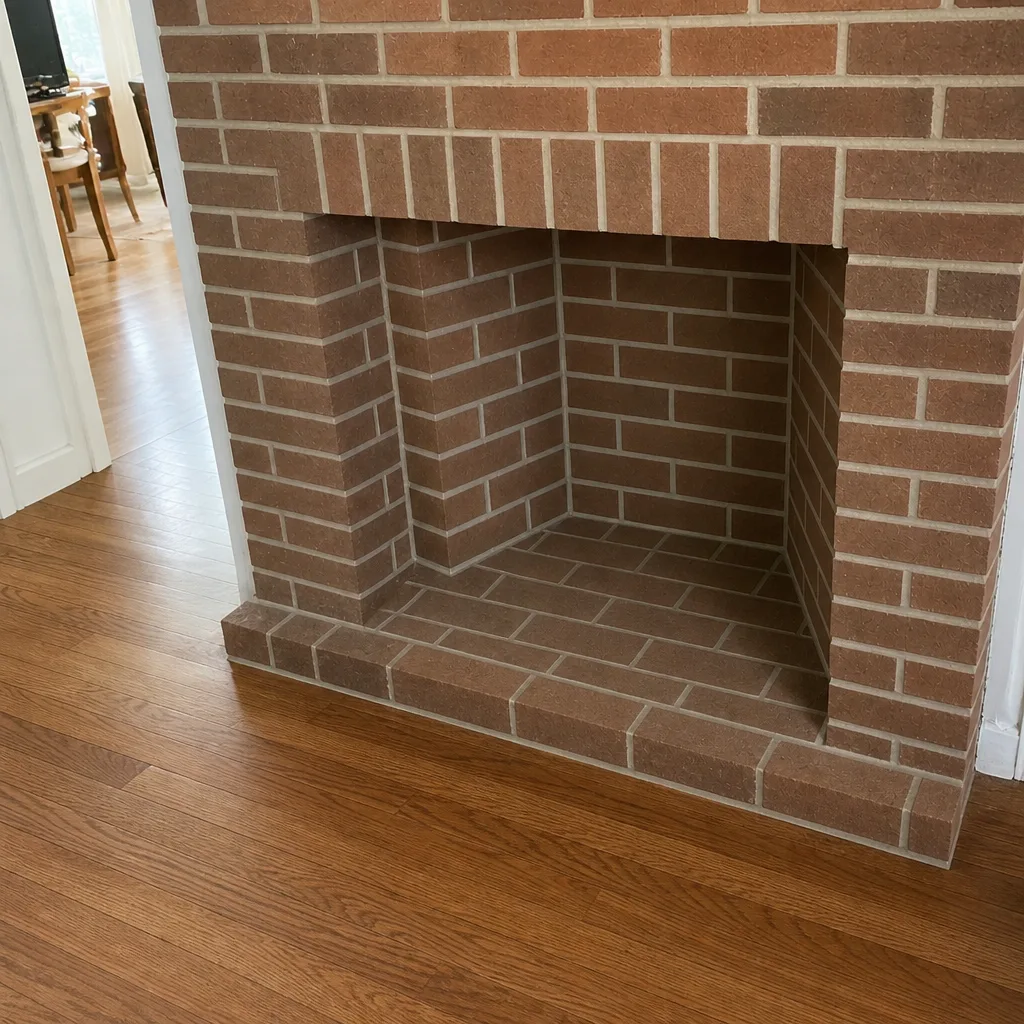
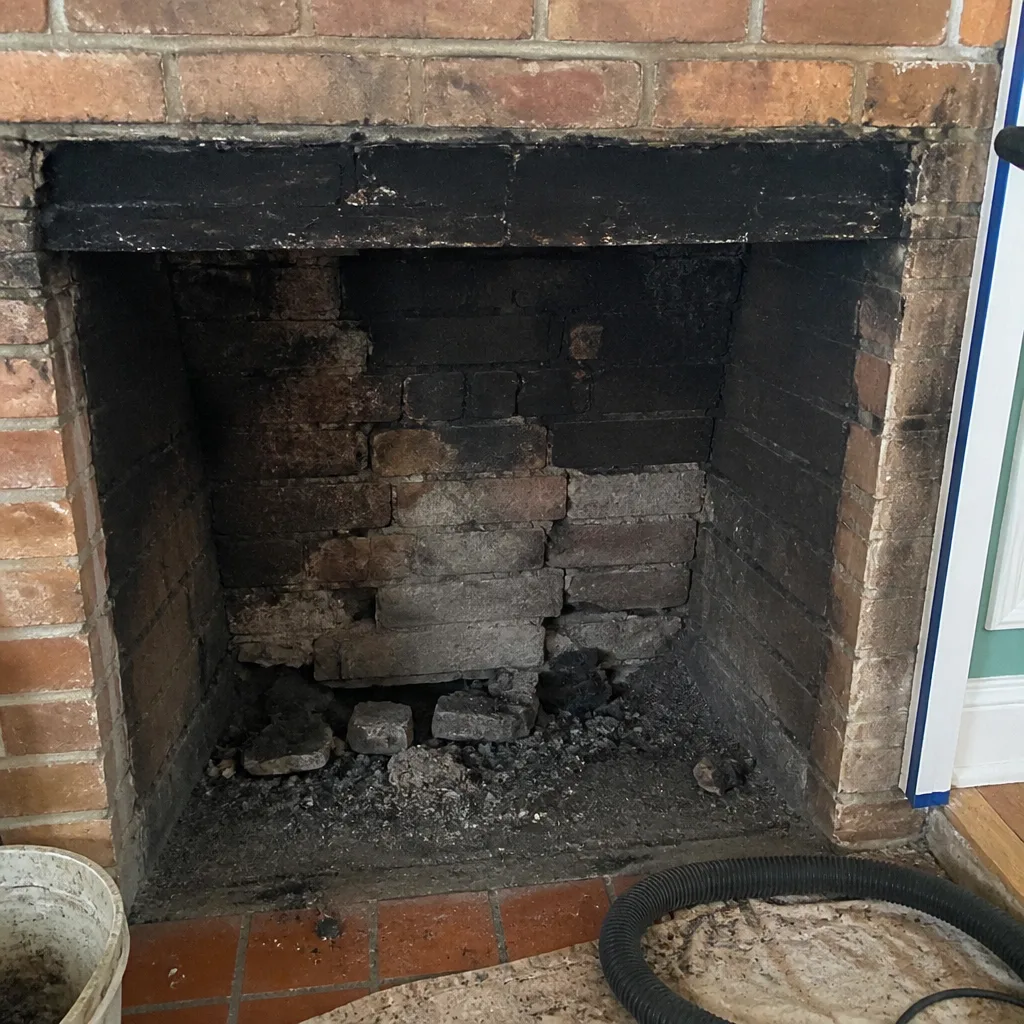
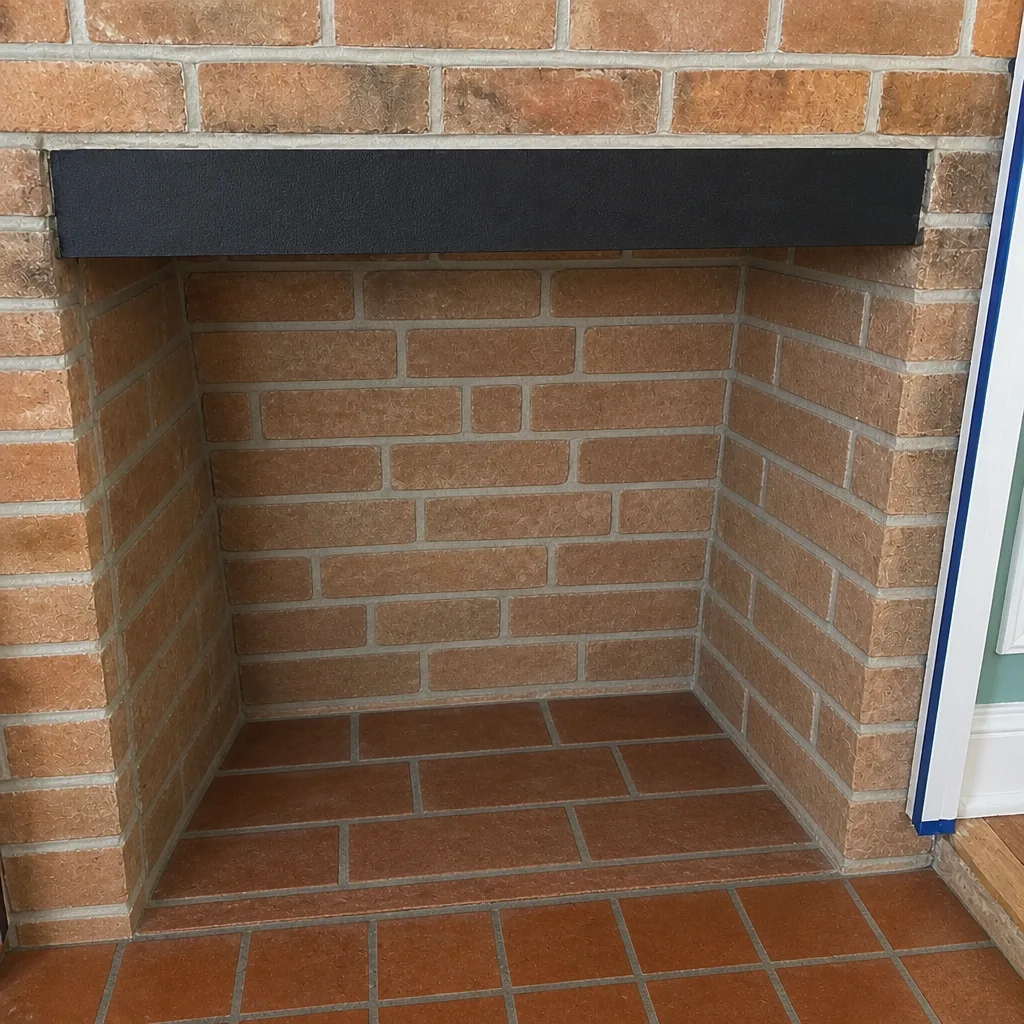
See the difference
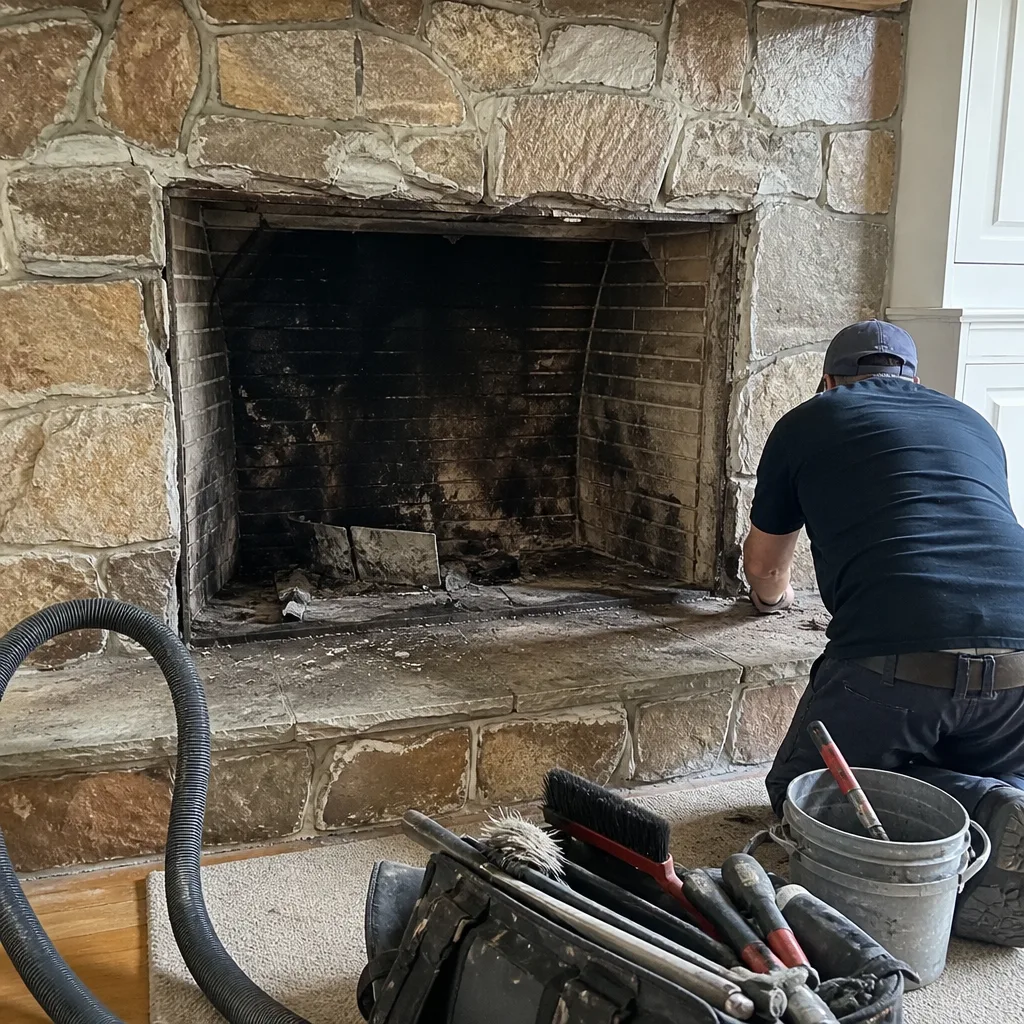 Before
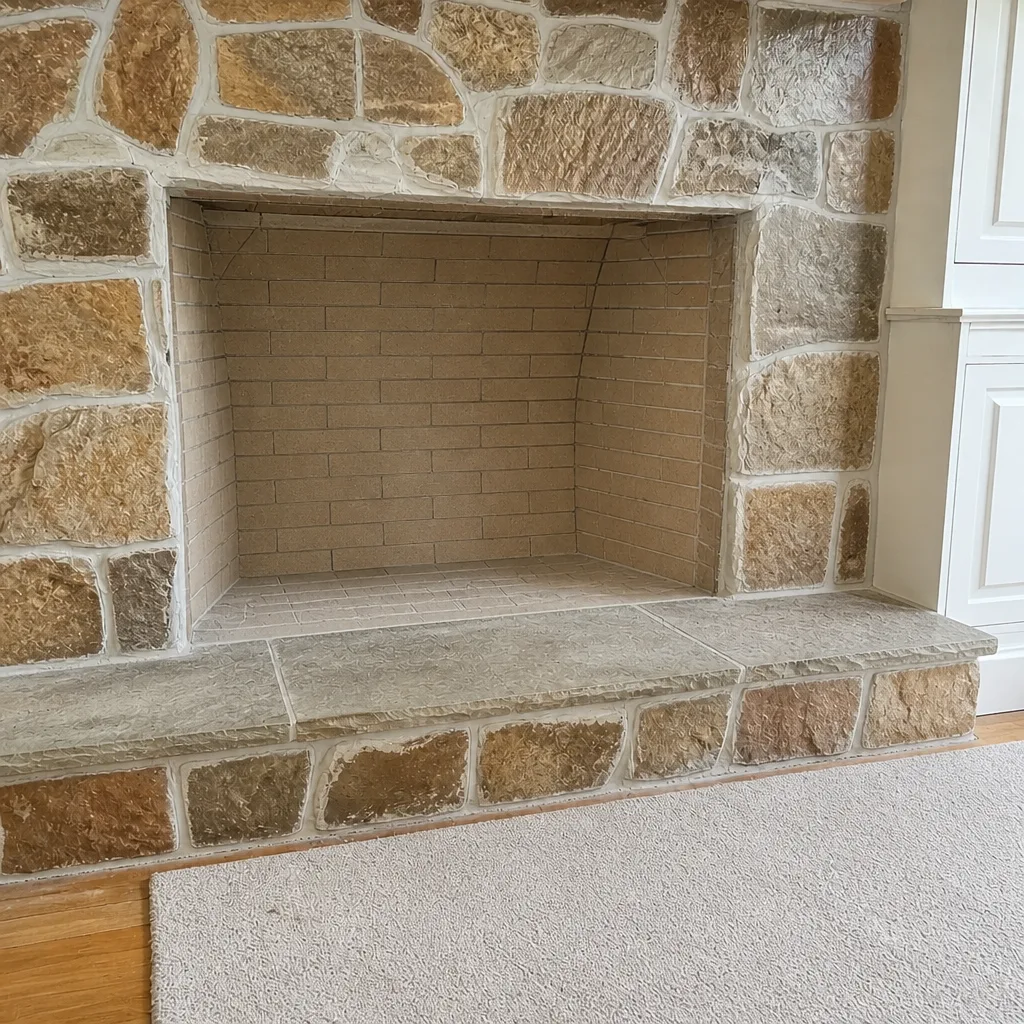 After
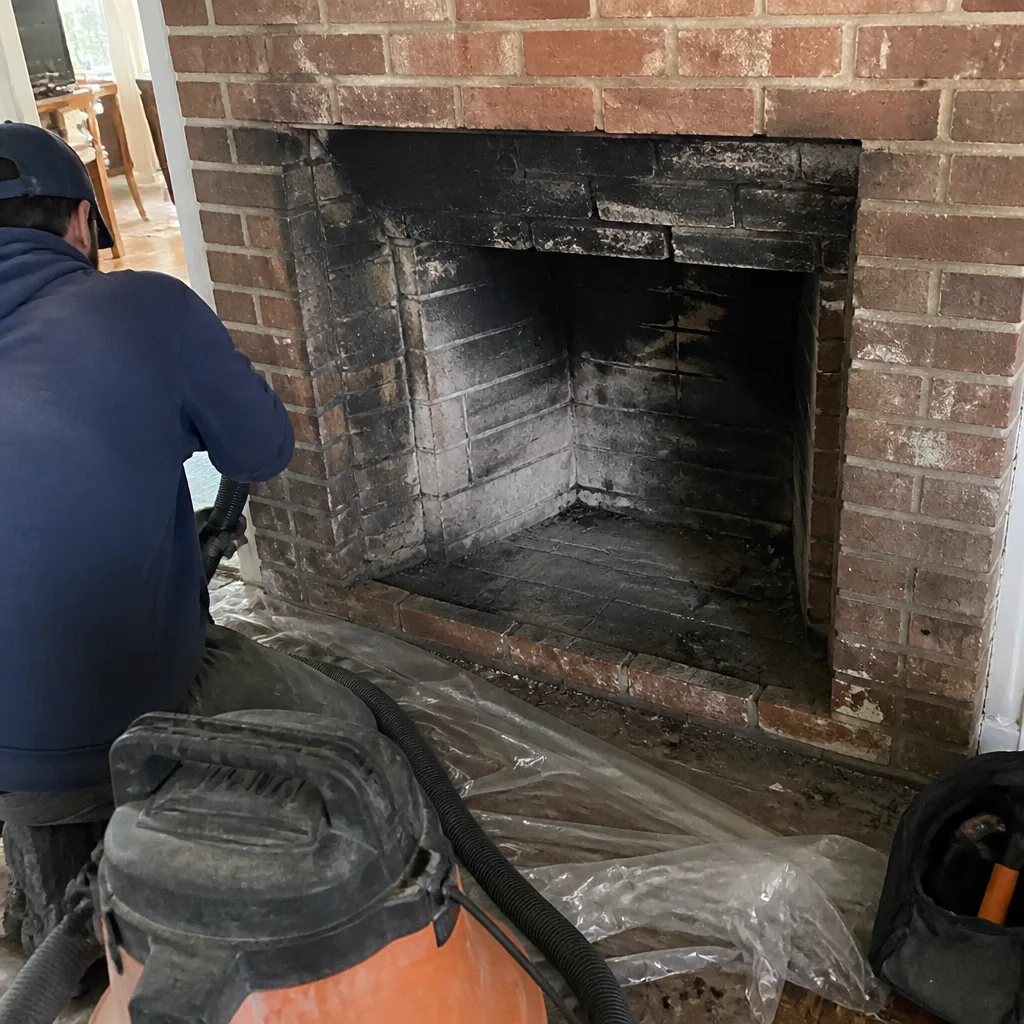 Before
 After
 Before
 After
When to Call a Professional
Most of the work that matters in a chimney doesn’t look urgent. A hairline crack in the flue lining, a drip through the crown, a thin glaze of creosote that builds a little more each season. That’s why a scheduled evaluation is worth more than a wait-and-see approach. Call a professional if you notice a strong creosote smell, a draft that’s worse than it used to be, visible cracking on the crown or flashing, smoke backing into the room, or any sign of water staining on the masonry. If your fireplace is gas, oil, or wood, the liner question is worth asking even when nothing seems wrong, because the wrong alloy fails quietly before it fails visibly. If the chimney hasn’t been looked at in a while, start with a full inspection and photo report. Chimney Sweep Steele Creek offers free estimates in Steele Creek, and you can reach us at (888) 848-8714. We answer 24/7. Fast dispatch from 7am to 7pm, Sunday through Friday.
Frequently Asked Questions
Ask for three things in writing: the maximum temperature rating, the specific certifications or testing standards the product carries, and the manufacturer’s warranty length and terms. Any company that uses a genuine trade product can supply all three. If the answers are vague or the request gets deflected, that tells you as much as the answers would have.
In the right conditions, yes. HeatShield is a ceramic flue resurfacing system engineered to restore a deteriorated but structurally intact flue without full demolition or relining. It’s often the right middle option when the flue has damage but the surrounding structure is sound. A proper inspection and camera report will show whether it applies to your chimney or whether full relining is the correct fix.
Type 304 is a general-purpose alloy commonly used for wood-burning appliance liners. Type 316L is more corrosion-resistant, usually specified for gas and oil appliances where condensate attacks the liner. The right choice depends on the appliance, the exhaust chemistry, and how the chimney is configured. A professional reline quote should state the alloy and the reason for choosing it.
Not effectively. Hardware-store creosote removers are designed for light maintenance and slowing new deposit, not for breaking down Stage 2 glazing in a single visit. Heavy glazing calls for a professional chemical treatment applied during a sweep, followed by brushing and a visual report so you can confirm the deposit is actually gone. Ask how the sweep verifies removal.
Because the materials determine how long the repair actually lasts. A professional flue resurfacing system and a generic refractory mortar can cost the same amount from the homeowner’s side, but only one is rated for the temperatures and conditions inside a chimney. The product is the difference between a repair that holds and one that fails within a few seasons.
The two are different services. Cleaning removes deposit and inspection evaluates the whole system, including parts you can’t see from the flue opening. Our position is that a cleaning without an inspection is only halfway done, and we offer Level 1 and Level 2 inspections as standalone services, not just as an add-on. Ask any company which one you’re getting and what the report includes.
It does, because the crown is where most water damage begins. A company that only sweeps often leaves the crown unexamined, but the crown sits on top of the flue they just cleaned. A thorough evaluation includes the crown, the cap, and the top of the flue, not just what’s reachable from the opening. Ask whether the crown is part of the assessment.
We work with six professional-grade product lines: DuraFlex, HeatShield, Gelco, Olympia Chimney, Famco, and Copperfield. Each product is chosen by specification for the job in front of it, and we’re glad to explain exactly which one applies to your chimney and why. That’s the reference point for the full chimney system, from the Chimney Sweep Steele Creek team.
The Bottom Line
The chimney cleaning brand matters because the products inside your chimney outlive the invoice. A professional-grade flue resurfacing system with a tested temperature rating and a real warranty is a fundamentally different object from a hardware-store mortar, even when the two look the same on a quote. Ask for product names, ask for temperature ratings, ask for warranties, and ask to see the spec sheets before you approve the work. The best sign of a good chimney company isn’t the pitch. It’s how easily the technician can name the product going into your chimney and answer why. That’s the standard we hold ourselves to in Steele Creek, and it’s the standard worth asking of anyone you call.
Call (888) 848-8714 for a free estimate. We answer 24/7. Fast dispatch from 7am to 7pm, Sunday through Friday. Our technicians have up to 12 years of experience, and we use professional-grade materials on every job.
Written by the team at Chimney Sweep Steele Creek.