
Last updated November 22, 2026
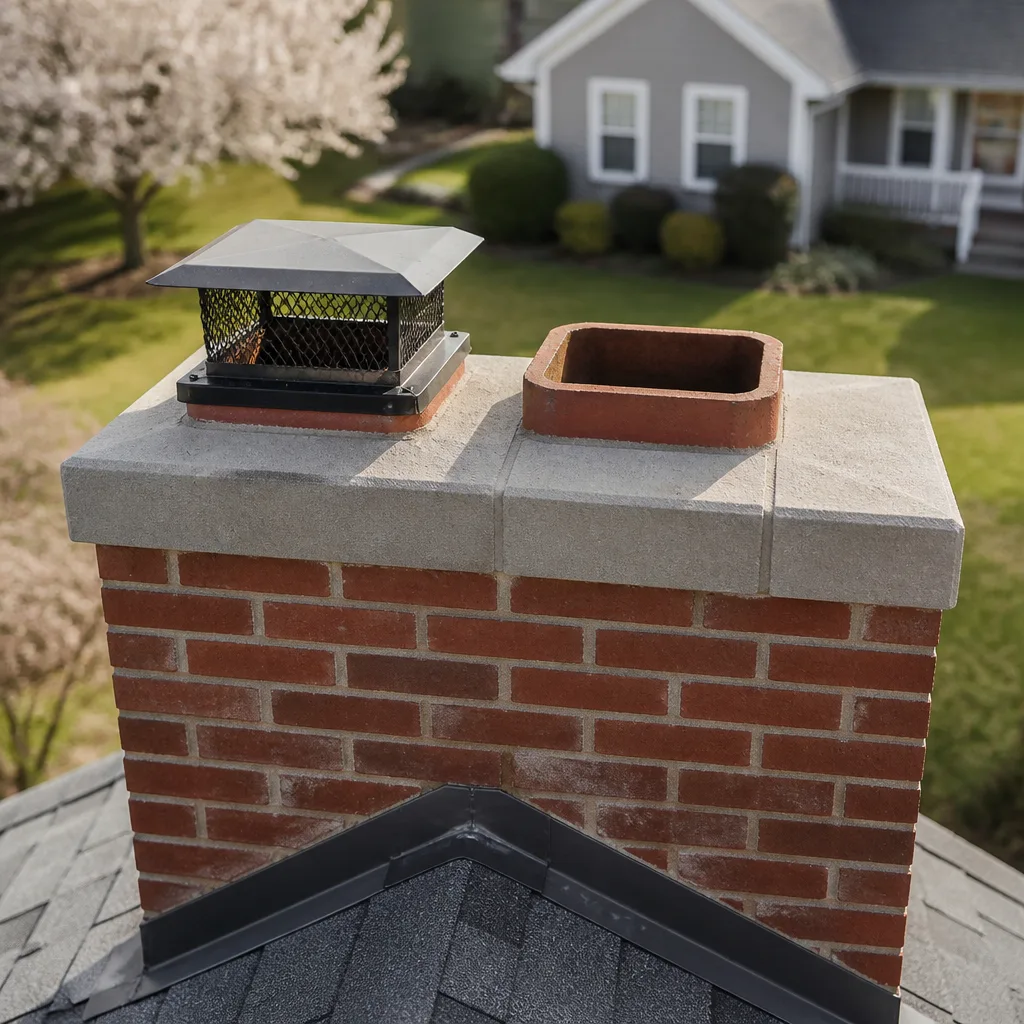 Sweep & inspection
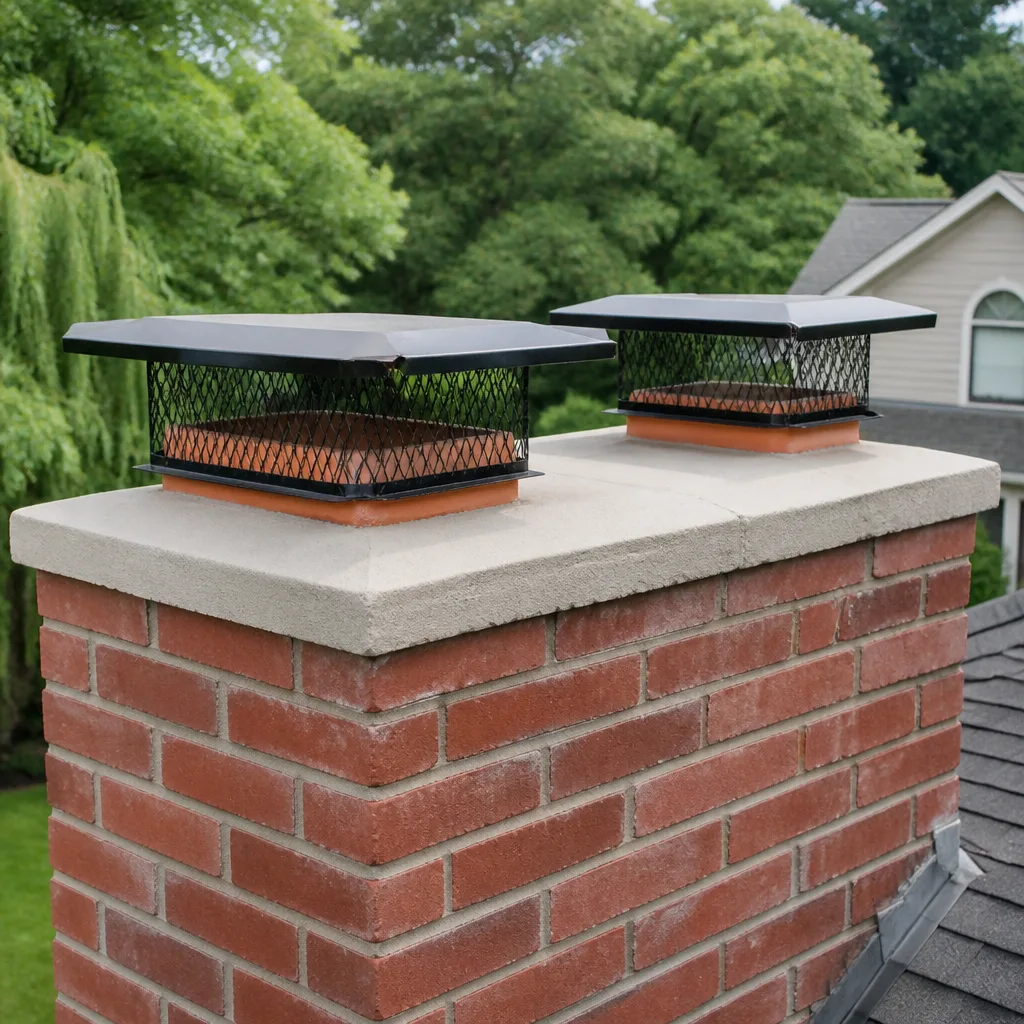 Caps & crowns
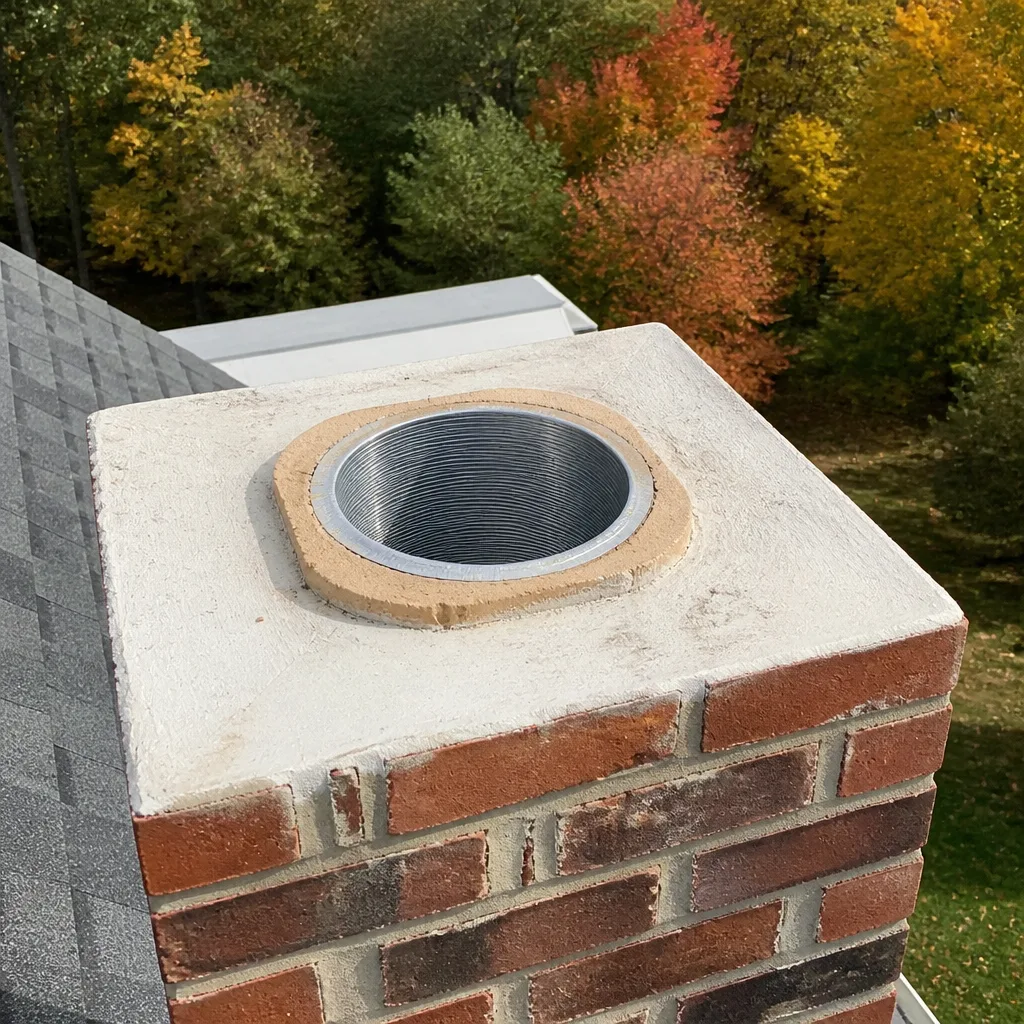 Flue relining
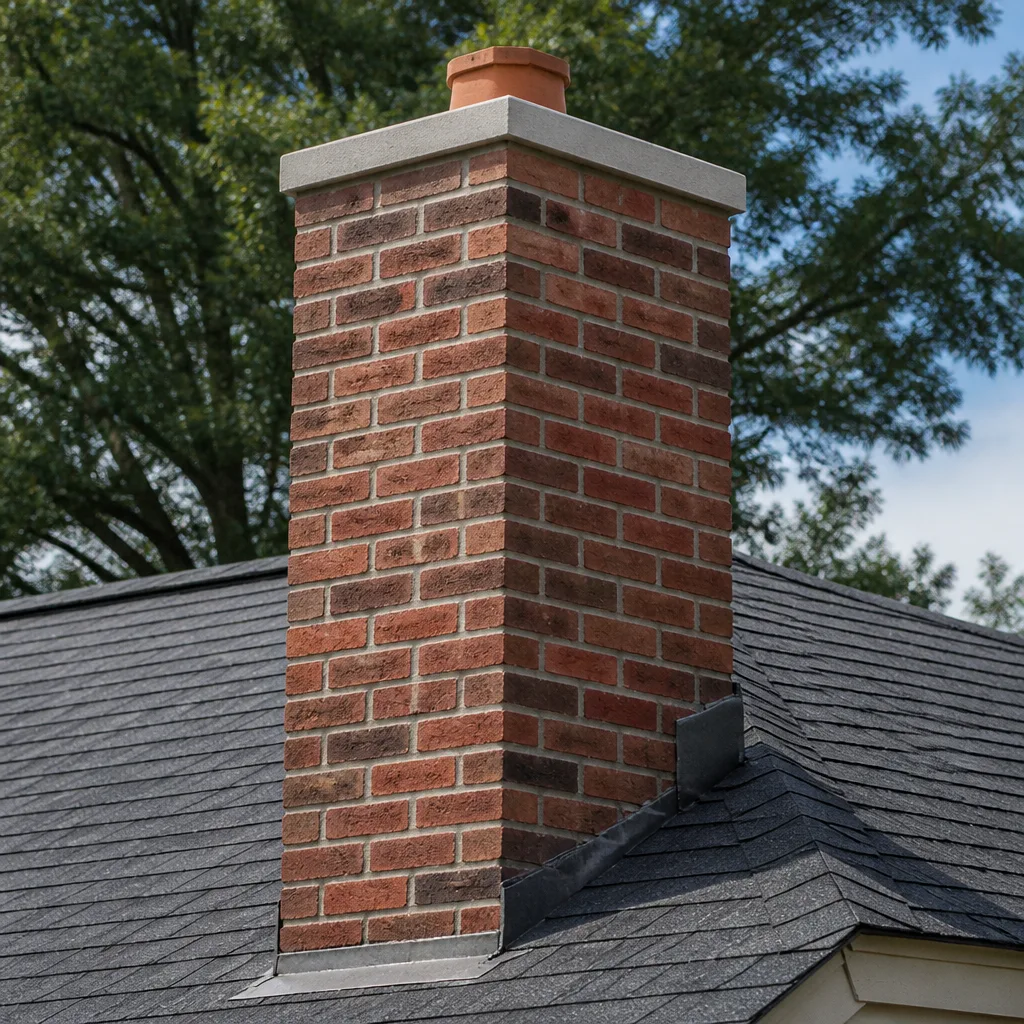 Masonry repair
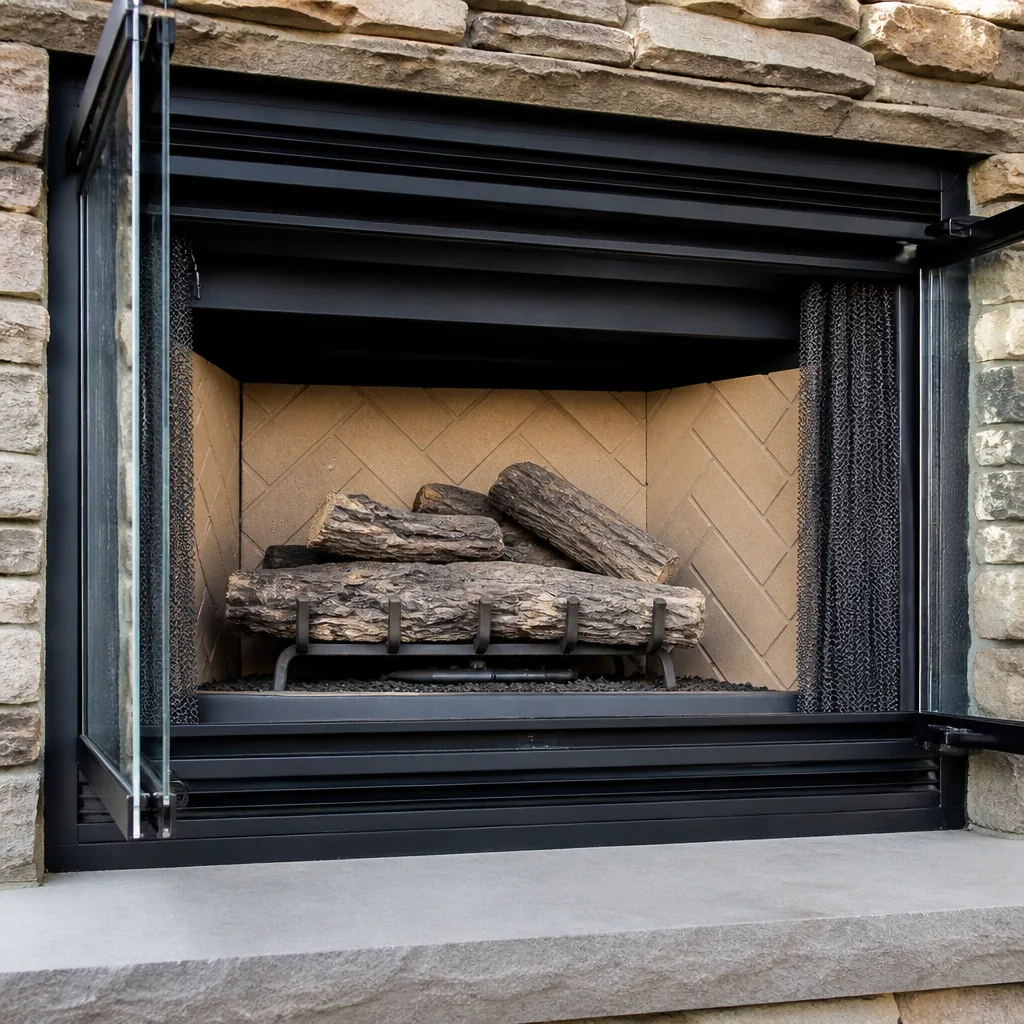 Gas fireplace service
Level 1 sweep and inspection to the NFPA 211 annual standard - flue, crown, cap, and flashing checked and photographed
Chimney sweep logs do not sweep chimneys. They loosen some creosote - which then falls where a brush and vacuum still have to collect it.
Chimney Sweep Maintenance Checklist for Steele Creek Homeowners
The chimney cap is the first thing that fails on most homes around Steele Creek, and it’s also the easiest thing to check with a pair of binoculars from your own yard. Yet most homeowners never look at it once. They think about the chimney only when smoke backs up or a sweep is overdue, and by then a cheap part has usually become a water problem inside the masonry. A checklist works because it catches the small failures between professional visits, before they turn into liner work or a rebuilt crown. Below is the full schedule we build for wood-burning and gas fireplaces in Steele Creek: what to check monthly, what can wait for the annual sweep, what you can safely eyeball from the ground, and what should stop you from lighting a fire today.
Quick Answer
A chimney maintenance checklist for Steele Creek homeowners should cover the cap and crown, the firebox and damper, creosote buildup in the flue, and the masonry exterior, checked on a schedule of monthly visual inspections from the ground, seasonal checks before and after burning season, and one professional sweep and inspection per year. Anything you can see from the yard is yours to watch. Anything that requires the roof, the flue, or the firebox interior calls for a trained technician with the right tools.
Styles & brands we work with
- Sweep & inspection
- Caps & crowns
- Flue relining
- Masonry repair
- Gas fireplace service
Table of Contents
- The Monthly Check: What You Can See From the Ground
- Seasonal Checks Before and After Burning Season
- The Annual Professional Sweep and Inspection
- Masonry Warning Signs Common in Steele Creek
- How to Log Your Chimney Service History
- When a Finding Means “Schedule Soon” vs. “Stop Using the Fireplace”
- What Homeowners Can Check vs. What Needs a Pro
The Monthly Check: What You Can See From the Ground
Ten minutes a month with binoculars and a flashlight covers most of the chimney’s exterior. You don’t need a ladder and you shouldn’t climb one. Stand back far enough to see the whole stack against the sky, and look at four things.
- The cap. Is it still sitting square on top of the flue, or has it tilted, rusted through, or lost its mesh? A loose or missing cap is the single most common failure we find on Steele Creek homes.
- The crown. Look at the concrete slab on top of the chimney. Cracks are normal as concrete ages; wide cracks that let water run in are not. Water getting past the crown is how freeze-thaw damage starts in the brick below.
- The masonry joints. Scan the mortar lines for missing chunks, white chalky blooms, or dark staining. Joints should look recessed and solid, not crumbling or washed out.
- The flashing at the roofline. Where the chimney meets the roof, check for lifted metal, gaps, or dark streaks running down the shingles. That’s a leak pattern, not a stain.
Write down what you see each month, even if it’s “nothing changed.” A log of monthly observations gives a technician a starting point and gives you a baseline for spotting slow changes. It takes less time than checking your smoke detector, and it’s the same kind of habit.
Seasonal Checks Before and After Burning Season
Your chimney has two seasons in Steele Creek: burning season and the rest of the year. Each one deserves a specific pass, and each one looks for different problems.
Before burning season
- Open the damper and confirm it moves freely through its full range. A damper stuck partway open wastes heat; one stuck shut sends smoke into the room.
- Shine a light up the flue from the firebox and check that you can see daylight at the top. Any obstruction, from a bird nest to a fallen cap, shows up immediately.
- Look at the firebox bricks and the mortar between them for cracks, loose bricks, or gaps that let heat reach the structure behind.
- Check the cap one more time before the first fire. A cap that came loose over summer is much cheaper to fix before you’ve been burning for two months.
- Clear the firebox of ash and check that no debris has collected against the damper.
After burning season
- Look for soot staining on the face of the fireplace or above the opening. That pattern points to a draft problem or a chimney that needs attention before next winter.
- Check the exterior masonry again as the season changes. Freeze-thaw cycles in the Steele Creek area open small mortar cracks into bigger ones over the colder months.
- Look at the roof around the flashing after heavy spring rain. Any moisture inside the attic near the chimney should be traced before it reaches the ceiling.
- Schedule your professional sweep and inspection for the off season. It’s easier to book, and any repairs get done with time to spare before you need the fireplace again.
The Complete Chimney System, Start to Finish
Most chimney problems start small and stay invisible. The cap lets in water, the crown cracks, the mortar goes soft, and by the time smoke backs up the repair is structural instead of cosmetic. That’s why the checklist above matters more than any single cleaning. A chimney sweep and inspection is one part of the system. The protective parts – the cap, the crown, the flashing – are the parts that cost the least to fix early and the most to fix late.
A proper chimney sweep looks at the whole assembly, not just the flue opening. Our technicians have up to 12 years of experience and treat each Steele Creek home as a full system: firebox, damper, flue, cap, crown, and masonry. If a repair is needed, we work with professional-grade materials rather than improvised parts. We install chimney cap & crown assemblies from Gelco and Famco, we restore flues with HeatShield ceramic resurfacing, and we reline with DuraFlex when the original flue can’t be saved. One call covers everything the chimney needs, so there’s no handoff to a second contractor.
The Annual Professional Sweep and Inspection
The monthly and seasonal checks are yours. The annual visit is a professional’s job, and it’s the anchor of any effective chimney maintenance checklist. Most insurance policies and most chimney professionals expect one sweep per year for a fireplace in regular use, and more often if you burn heavily or burn green wood. The visit is a combined sweep and inspection, not two separate appointments.
Here’s what the annual visit should include:
- Sweep the flue. Creosote is removed with the right brushes and rods, and the debris is contained so nothing ends up on your floor.
- Level 1 inspection. A visual review of the accessible parts of the chimney: firebox, damper, flue, cap, crown, and the exterior where it meets the roof.
- Level 2 inspection when needed. A closer look with a camera or video scope when the chimney has had a change: new liner, new cap, a chimney fire, a move to a new home, or a change in fuel type. We offer Level 1 and Level 2 inspections as standalone services, not as an upsell attached to a cleaning.
- Written findings. You get a clear picture of what’s fine, what’s wearing, and what needs attention now or later.
Sweeping is not a repair trigger on its own. It’s the diagnostic step that tells you whether anything else needs doing. Some annual visits end with “everything’s fine, see you next year,” and that’s a good outcome for everyone.
Masonry Warning Signs Common in Steele Creek
Brick and mortar are built to last, but they fail in predictable ways when water gets into them. In the Steele Creek area, the biggest driver is the wet-then-freezing pattern through winter. Water seeps into a hairline mortar crack, the temperature drops, the water expands, and the crack opens wider. Repeat that over a few seasons and the failure shows up in the spots below.
- Spalling brick. The face of a brick flakes or pops off in layers. That’s water inside the brick, and it means the joint above it is letting it in.
- Crumbling or recessed mortar joints. The joints between bricks should be tight and slightly recessed. If they wash out or sit deeper than the brick face, they’ve been eroded and need repointing.
- White staining. A chalky white deposit on brick is efflorescence – mineral salts pushed to the surface by moisture moving through the masonry. It doesn’t always mean a problem, but it means there’s moisture in the wall.
- Rust-colored staining. Brown or orange streaks are usually corroded flashing or a damper that’s rusting into the masonry. Both point to water where it shouldn’t be.
- A leaning stack. If the top of the chimney leans off vertical by more than a hair, the foundation of the chimney is compromised. That’s a professional structural call, not a DIY repair.
- Loose bricks near the top. The upper courses take the most wind and rain. A brick that’s visibly moving is a safety issue, not a cosmetic one.
If you check nothing else in the monthly routine, check the mortar joints and the crown. Those two spots decide whether the rest of the masonry lasts.
Where the brick and mortar choices matter
The specific brick and mortar used on your chimney matter for how it ages. A hard mortar on a soft brick can spall the brick face over time, because the mortar is stronger than the unit it holds and the stress transfers into the brick. When a chimney in Steele Creek needs repointing, matching the mortar to the brick is the difference between a repair that lasts decades and one that reopens within a few winters. That’s a judgment call for someone who’s worked on the local housing stock, not a generic “just fill the cracks” job. It’s one reason we inspect before we recommend, and why we name the product we’ll use rather than the vague notion of “patch it up.”
How to Log Your Chimney Service History
A written service history is worth far more than most homeowners expect. It matters when you sell the home, when you change insurance carriers, and when a technician at a new company needs to know what’s already been done to your chimney. Keep the records in the same place you keep the smoke detector dates and the HVAC filter log.
Log these five things:
- Date of each sweep and inspection, and the level (1 or 2). A one-line entry each time is enough.
- What was found. If the technician noted a small crack in the crown, write it down. When it’s still there three years later, you’ll know whether it grew.
- What was repaired and with what product. This is where brand names earn their place in the log. Was a DuraFlex liner installed? A HeatShield resurfaced flue? A Gelco cap? Each material has its own expected lifespan and care, and the buyer’s inspector will ask.
- Any chimney fire, even a small one. A chimney fire can damage the flue without obvious outward signs. Logging it, and having a Level 2 inspection afterward, protects you when you sell.
- Photos of every repair. A photo of the cap on installation day, and one each year, tells the next buyer more than any receipt.
A single folder of dates, notes, and photos turns a vague “it’s been maintained” into a documented history. That’s a real selling point for any home in Steele Creek.
When a Finding Means “Schedule Soon” vs. “Stop Using the Fireplace”
Most checklist findings are a “get it scheduled” item. A few are a “stop using the fireplace today” item. Sorting them correctly matters more than the checklist itself.
Schedule soon
- A missing or loose chimney cap. Water and animals can enter; neither is urgent tonight, but both are urgent this month.
- A hairline crack in the crown or a few recessed mortar joints. Water intrusion has started, but the masonry is still sound.
- A creosote layer that’s building but visible. Book a sweep before the next prolonged burn.
- A damper that sticks or drags. It’s inconvenient rather than dangerous, but it’s a sign the assembly needs a look.
- Light efflorescence on the exterior brick. It points to moisture, not a hazard.
Stop using the fireplace today
- You see missing or degraded masonry directly around the firebox opening, so heat can reach the structure.
- The damper is stuck open or stuck shut and cannot be positioned. Burning with a blocked damper sends carbon monoxide into the room.
- You’ve had a chimney fire, even if it seemed to self-extinguish. Do not relight until a Level 2 inspection has been completed.
- There’s a heavy creosote layer in the flue that’s flaking or glazed. That’s fuel waiting to ignite.
- You see an obstruction or animal nest in the flue, or the flue is blocked by fallen masonry.
- Smoke rolls into the room on every fire, not only on cold starts. Sustained backdraft with a fire is a sign of a blocked or undersized flue or a serious draft failure.
If any of the “stop using” items match what you’re seeing, close the fireplace door or the glass front, keep the damper closed, and call. Do not walk around on the roof to look down the flue. A trained technician has the right tools, and the risk of a fall isn’t worth the information.
What Homeowners Can Check vs. What Needs a Pro
The line between “check it yourself” and “call a pro” is simple: you check what you can see from the ground. Anything on the roof, inside the flue, or inside the firebox interior belongs to someone with training and the right tools.
Safe for homeowners from the ground
- Cap: present, seated, and not visibly rusted or tilted.
- Crown: no wide cracks running through the concrete.
- Masonry joints: intact, not crumbling, not bloomed with white staining.
- Flashing: in place where the chimney meets the roof, no gaps or lifted edges.
- Fireplace face: no soot staining above the opening or on the surround.
- Damper: opens and closes through the full range from inside the firebox.
- Smoke behavior: a fire that drafts cleanly and leaves no smoke in the room.
Needs a trained professional
- Anything on the roof or up a ladder.
- Any inspection inside the flue, even with a mirror and a flashlight from the firebox.
- Any crack, missing mortar, or loose brick inside the firebox.
- Any chimney fire history, even a suspected one.
- Any decision to install, reline, resurface, or repoint. Each involves a materials choice and a fit that has to be right.
- Any diagnosis of a draft problem or a smoke issue that keeps recurring.
- Any work on gas fireplace connections or flue components. Gas work is not a homeowner task.
That division isn’t about difficulty. It’s about safety. A fall from a roof or a missed creosote layer inside a flue is a real hazard, and the professional parts of the checklist exist for good reason.
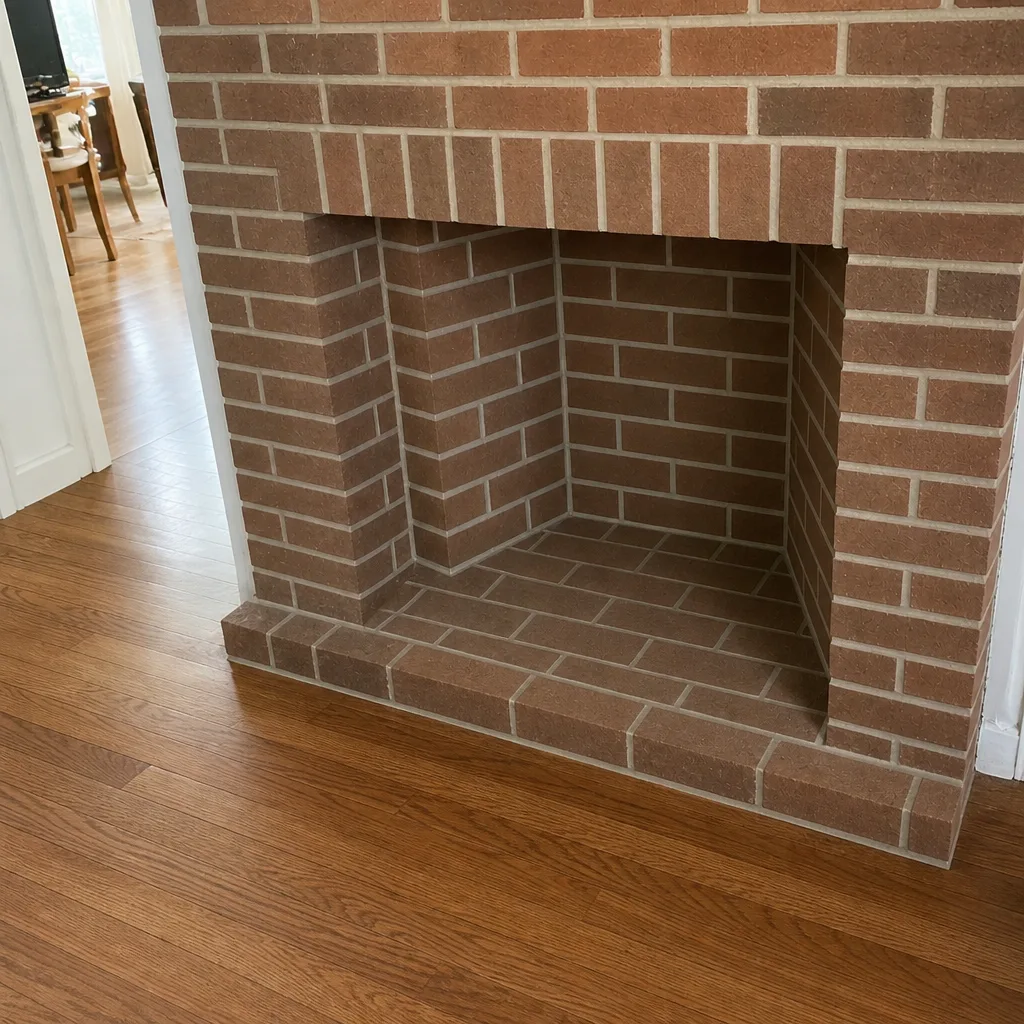
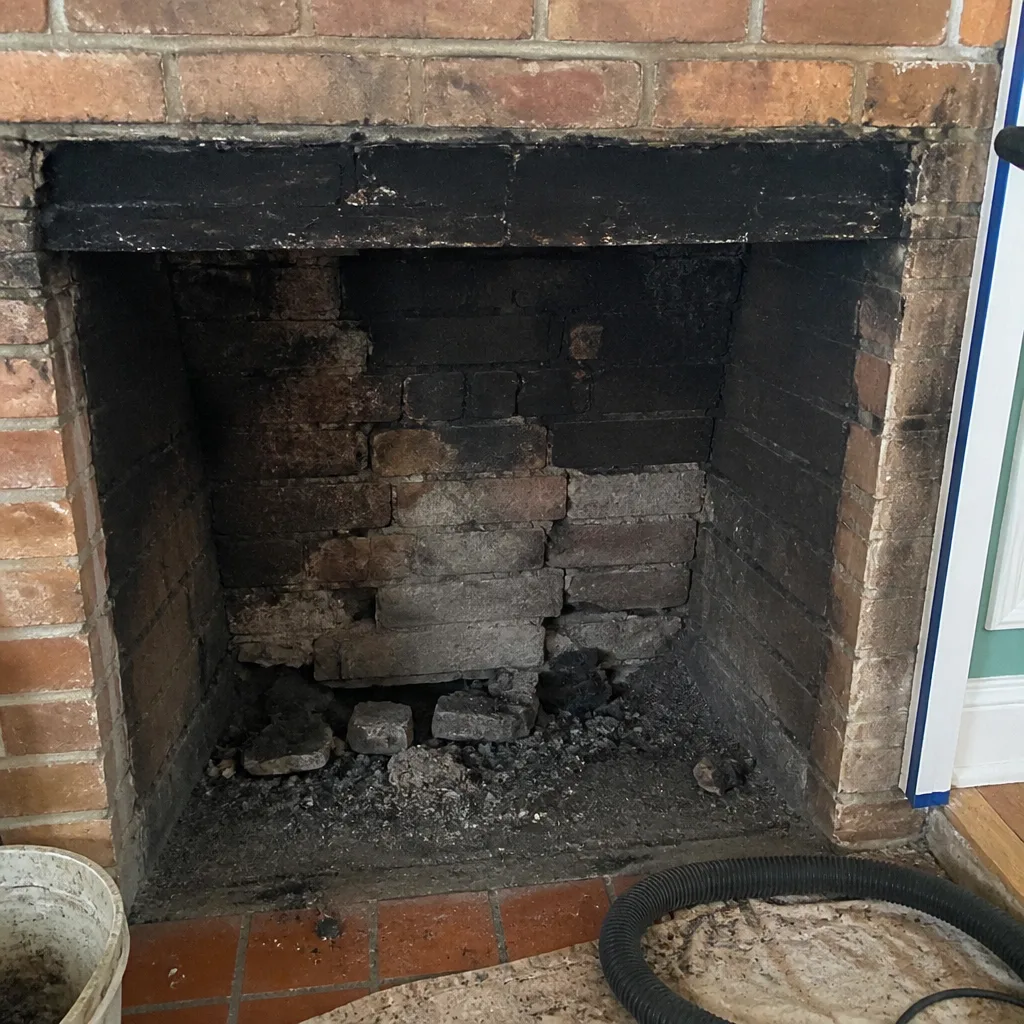
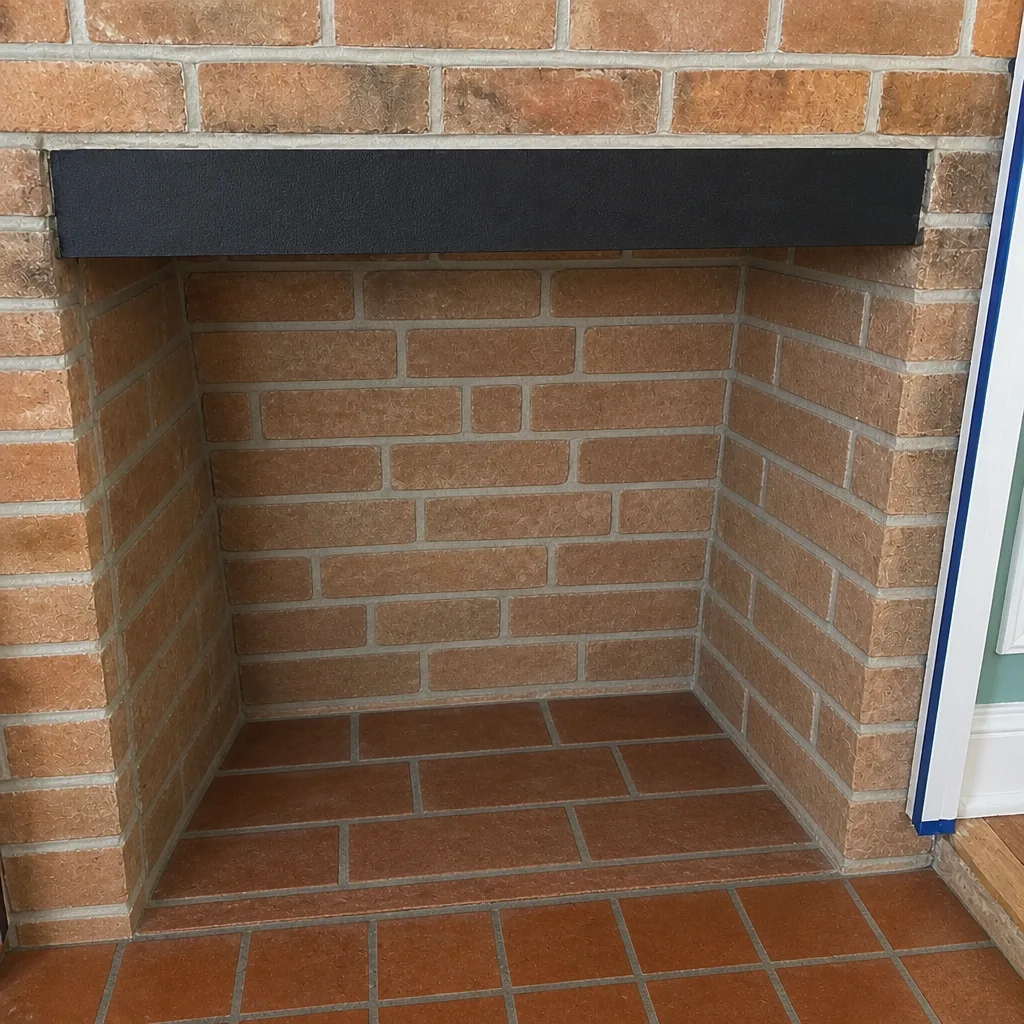
See the difference
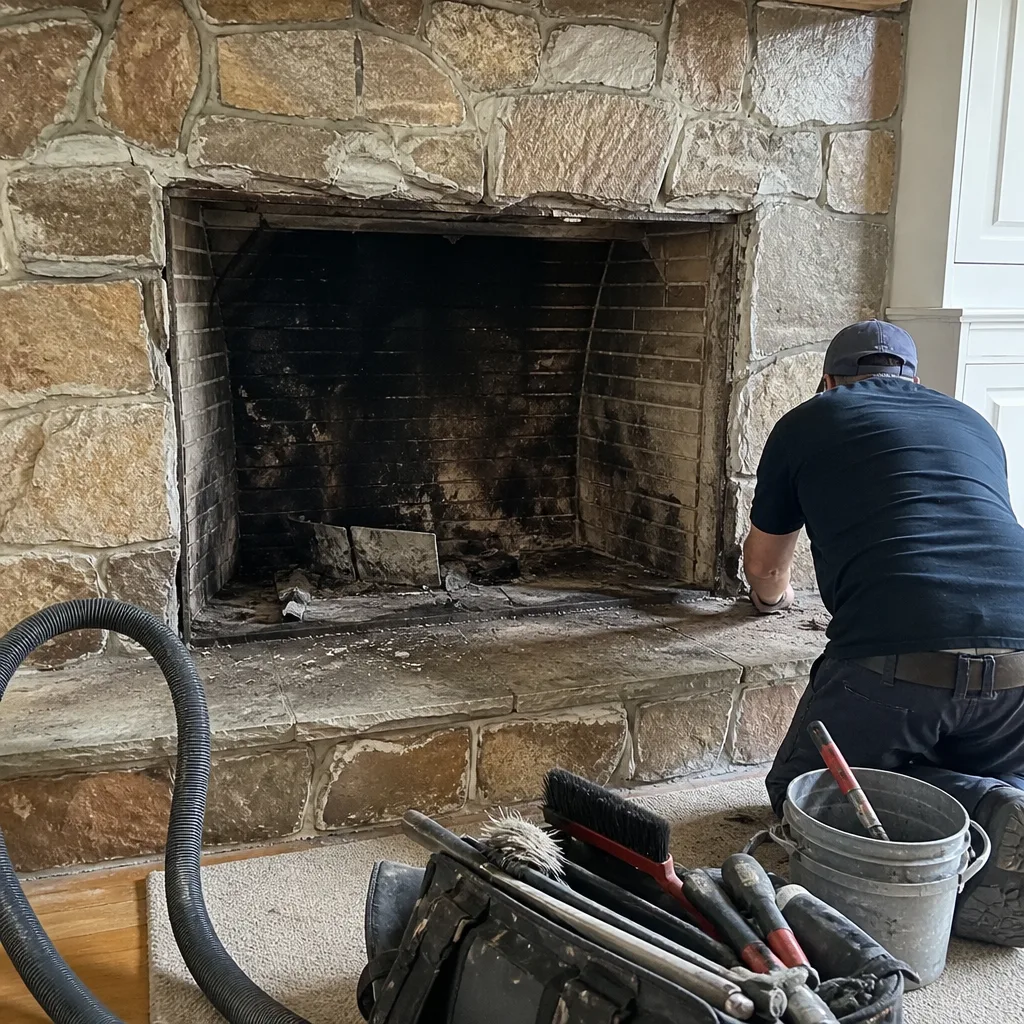 Before
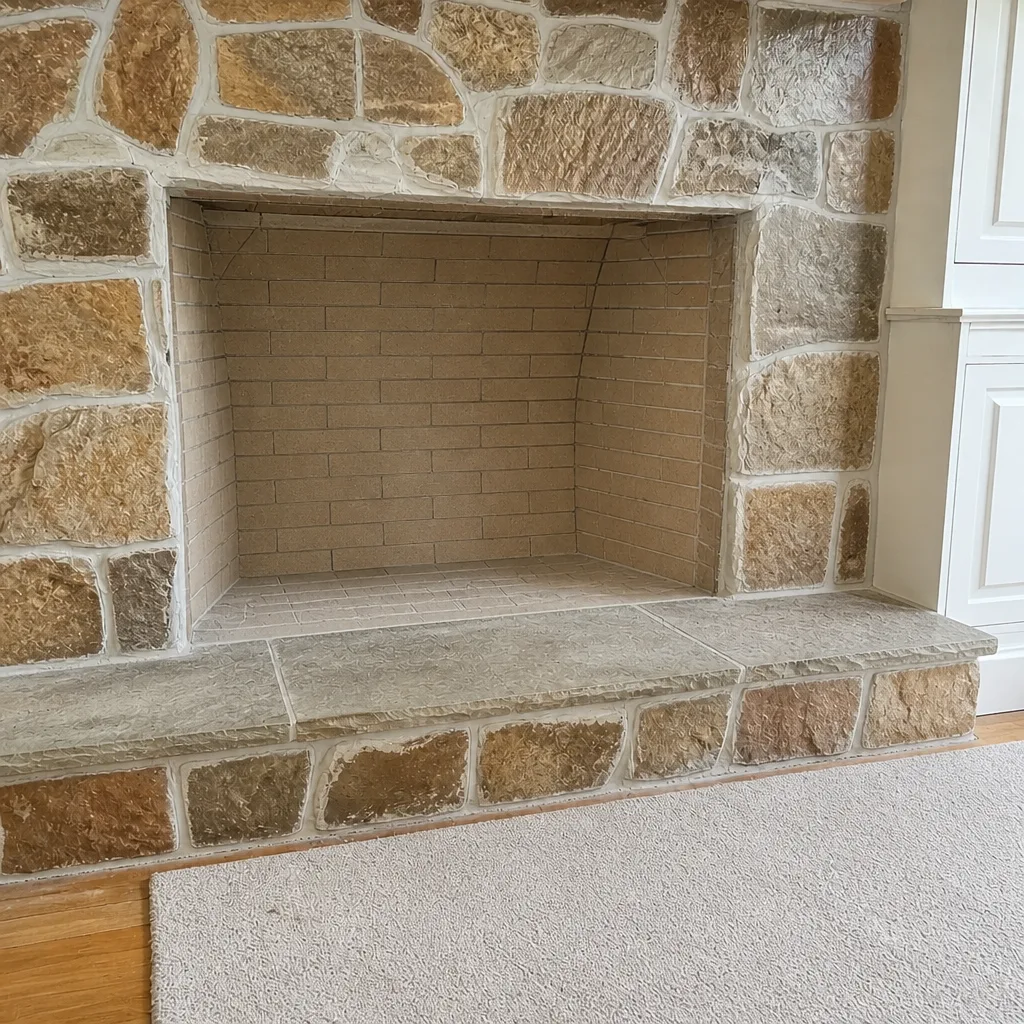 After
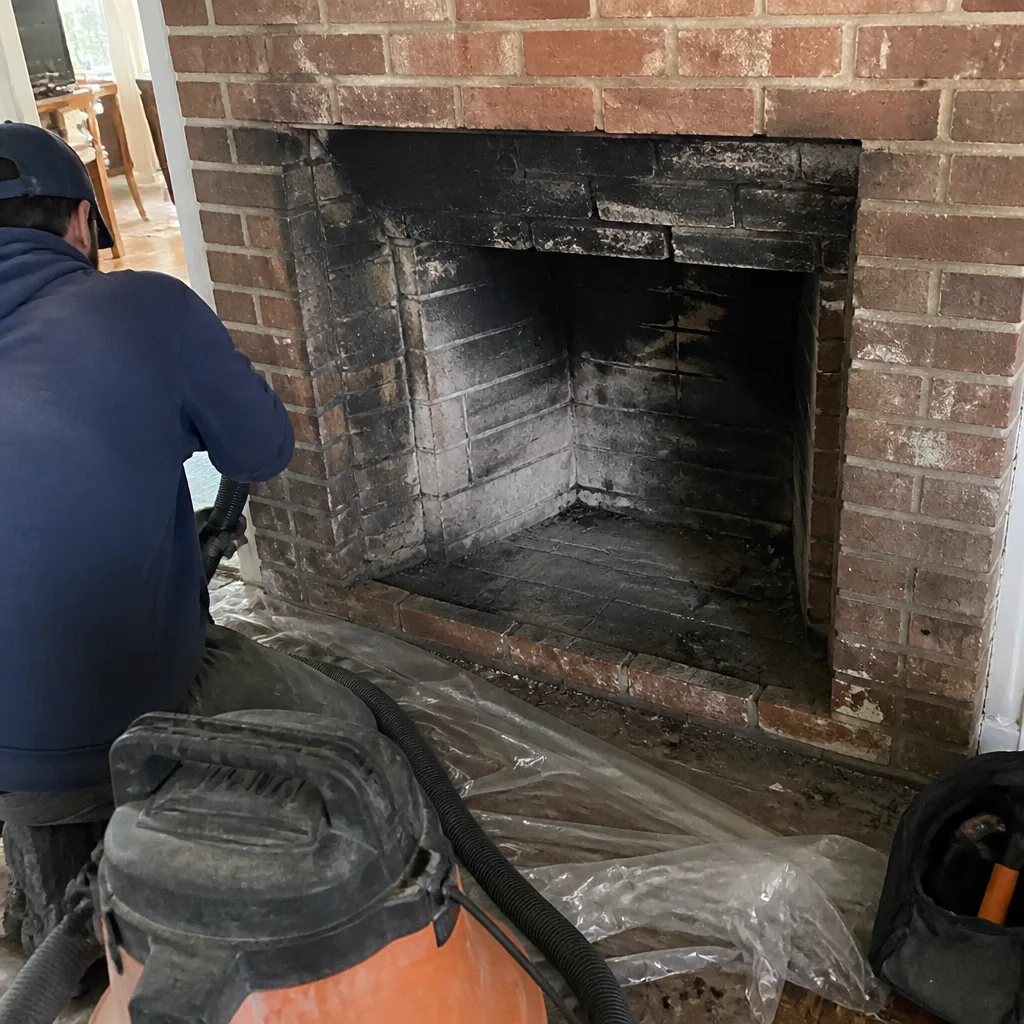 Before
 After
 Before
 After
Common Mistakes to Avoid
- Treating the annual sweep as the whole maintenance plan. A sweep once a year is the anchor, not the whole checklist. The monthly visual pass is what catches the cap failure between visits.
- Never looking at the cap. It’s the first thing to fail on most Steele Creek homes, and it’s visible from the driveway. If you check nothing else, check this.
- Climbing onto the roof to “take a quick look.” A chimney is not worth a fall. Use binoculars from the ground and let a technician handle anything above the roofline.
- Ignoring small mortar cracks. A hairline crack in the crown this year is a chunk of missing concrete next year. That’s not cosmetic – it’s the entry point for the water that starts the real damage.
- Burning wet or unseasoned wood. It produces more creosote per fire, so the flue needs sweeping more often. If you’re cutting your own wood around Steele Creek, split and stack it at least a season ahead.
- Waiting for smoke to back up before booking a sweep. Backdraft is a symptom of a problem that’s already developed. The checklist is built to catch it earlier.
- Skipping a Level 2 inspection after a chimney fire. The flue can be damaged without any visible exterior sign. A sweep alone doesn’t find that damage; a camera inspection does.
- No service records. “It’s been maintained” is hard to prove without dates, products, and photos. The records matter when you sell or switch insurers.
- Taking a low bid on liner or masonry work without a materials list. Brand and specification matter here. Ask what’s being installed and why it fits your flue, and get that in writing.
When to Call a Professional
Call for the annual sweep and inspection, call when a monthly check turns up a “stop using” item, and call when you’re not sure which side of the line a finding is on. Call for the firebox cracks, the chimney fire history, the flue obstruction, or a cap that shifted in last month’s wind. Call for the crown cracks that grew, the mortar that’s washing out, and the soot that suddenly showed on the fireplace face. And call before you book any liner, resurfacing, or masonry repair, because the diagnosis has to come first. Chimney Sweep Steele Creek offers free estimates in Steele Creek. Our technicians have up to 12 years of experience, and we inspect before we recommend. Call (888) 848-8714. We answer 24/7. Fast dispatch from 7am to 7pm, Sunday through Friday.
Frequently Asked Questions
Once a year for a wood-burning fireplace in regular use, and more often if you burn heavily, burn unseasoned wood, or notice creosote flaking in the flue. A gas fireplace still needs an annual inspection even though it produces no creosote. The monthly visual checks in this checklist don’t replace the annual sweep; they catch the between-visit problems. Call (888) 848-8714 to book a sweep; estimates are free.
A sweep removes creosote and debris from the flue. An inspection assesses the whole system: flue, firebox, damper, cap, crown, and masonry. They’re usually done together on the annual visit, but they answer different questions. We offer Level 1 and Level 2 inspections as standalone services, so you can book an inspection without a cleaning if that’s what you actually need. Call (888) 848-8714 for an exact quote.
A sweep is enough when the flue is intact and only holds creosote. A liner is needed when the flue itself is damaged, undersized for the appliance, or has failed its inspection. Between those two, HeatShield ceramic resurfacing can restore a deteriorating flue without a full reline. The right answer depends on what a camera inspection finds in your flue, not on a price list. Call (888) 848-8714 for a free estimate.
You can look at the cap with binoculars from the ground. That visual check catches the most common failures: a cap that’s tilted, rusted through, or missing its mesh. Replacing the cap, or matching the right cap to your flue, is a professional job. We install caps from Gelco and Famco. Call (888) 848-8714 for an exact quote.
Small failures compound. The cap shifts, water enters the crown crack, the mortar joints in the upper courses start to wash out, and the repair moves from “repoint the top” to “rebuild the throat.” A creosote layer that isn’t swept is also fuel waiting for a spark, and that’s where chimney fires start. None of that requires a scare to make the point – a decade of deferred maintenance is expensive in every trade. Call (888) 848-8714 to get the checklist back on track.
Yes. The wet-then-freezing pattern through winter is what makes mortar and crown cracks open faster here than in a dry climate. That’s why the seasonal checks after burning season matter so much: what began as a hairline crack in autumn is often a visibly open joint by spring. Check the exterior masonry after every hard freeze cycle. Call (888) 848-8714 for an inspection; estimates are free.
Dates of each sweep and inspection, the level of each inspection, what was found, what was repaired, the specific products installed, and photos of the work. Brand names in the log help: a buyer’s inspector will recognize a DuraFlex liner or a HeatShield resurfacing as a documented repair. A folder of records is worth more than “it’s been taken care of.” Call (888) 848-8714 to bring your records up to date.
Urgent means stop using the fireplace today: visible masonry damage at the firebox opening, a damper that’s stuck fully open or fully shut, any chimney fire history, heavy flaking creosote, or an obstruction in the flue. Everything else – a loose cap, a hairline crown crack, a few washing mortar joints – is a “schedule soon” item. If you’re unsure which side of the line your finding is on, call (888) 848-8714 for a free estimate.
The Bottom Line
The checklist works because it matches the way chimneys actually fail: slowly, from the outside in, through the cap and the crown first. A monthly visual pass from the ground catches the cap and crown problems while they’re cheap. The seasonal checks catch the masonry and damper issues before burning season starts. The annual sweep and inspection is the anchor, and the records you keep from that visit protect the value of your home when you sell. All of it is worth doing on a schedule rather than waiting for smoke to back up. Our technicians have up to 12 years of experience, and we inspect before we recommend. Call (888) 848-8714. We answer 24/7. Fast dispatch from 7am to 7pm, Sunday through Friday. Estimates are free, and the written estimate sets the final price. If you’d rather start with a single visit, the Chimney Sweep Steele Creek service page is the right place to begin. If a repair is what the visit turns up, our fireplace repair team handles it without a handoff.
Written by the team at Chimney Sweep Steele Creek.