
Last updated November 22, 2026
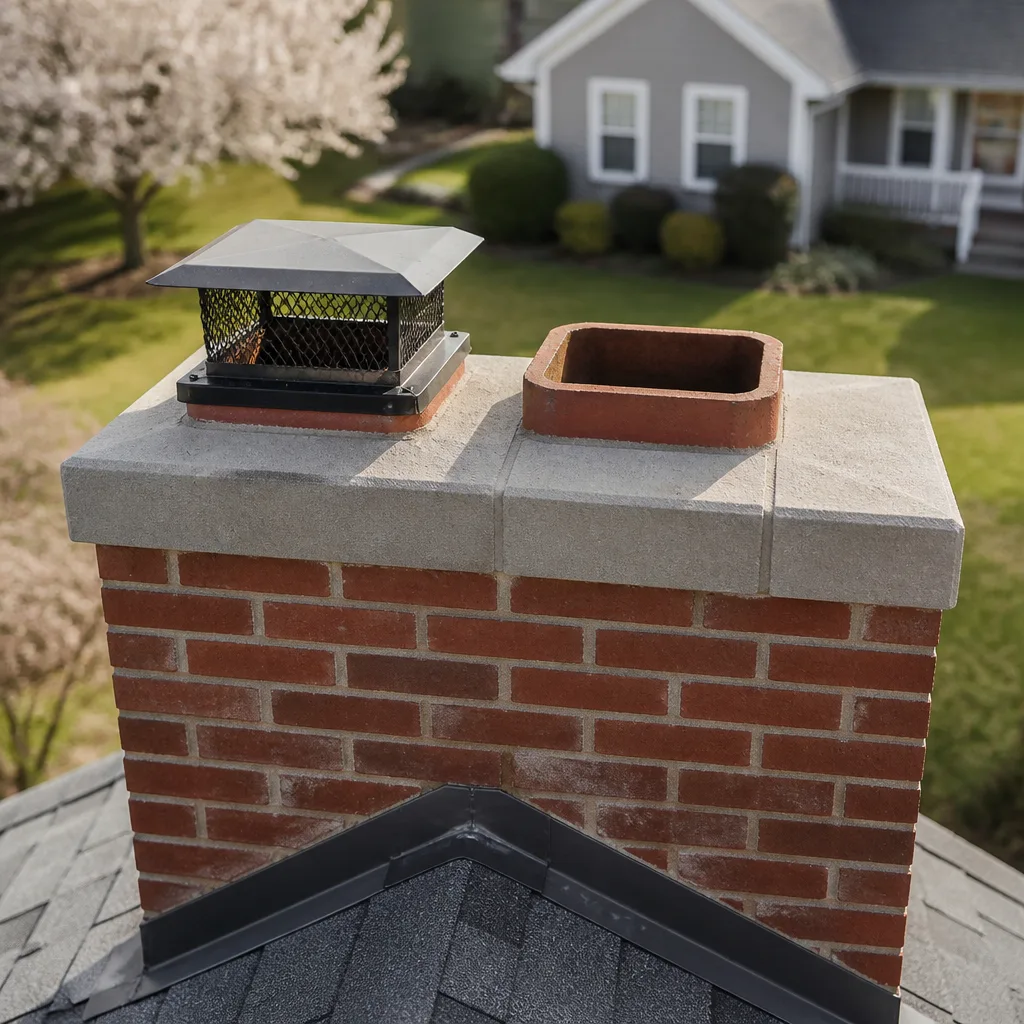 Sweep & inspection
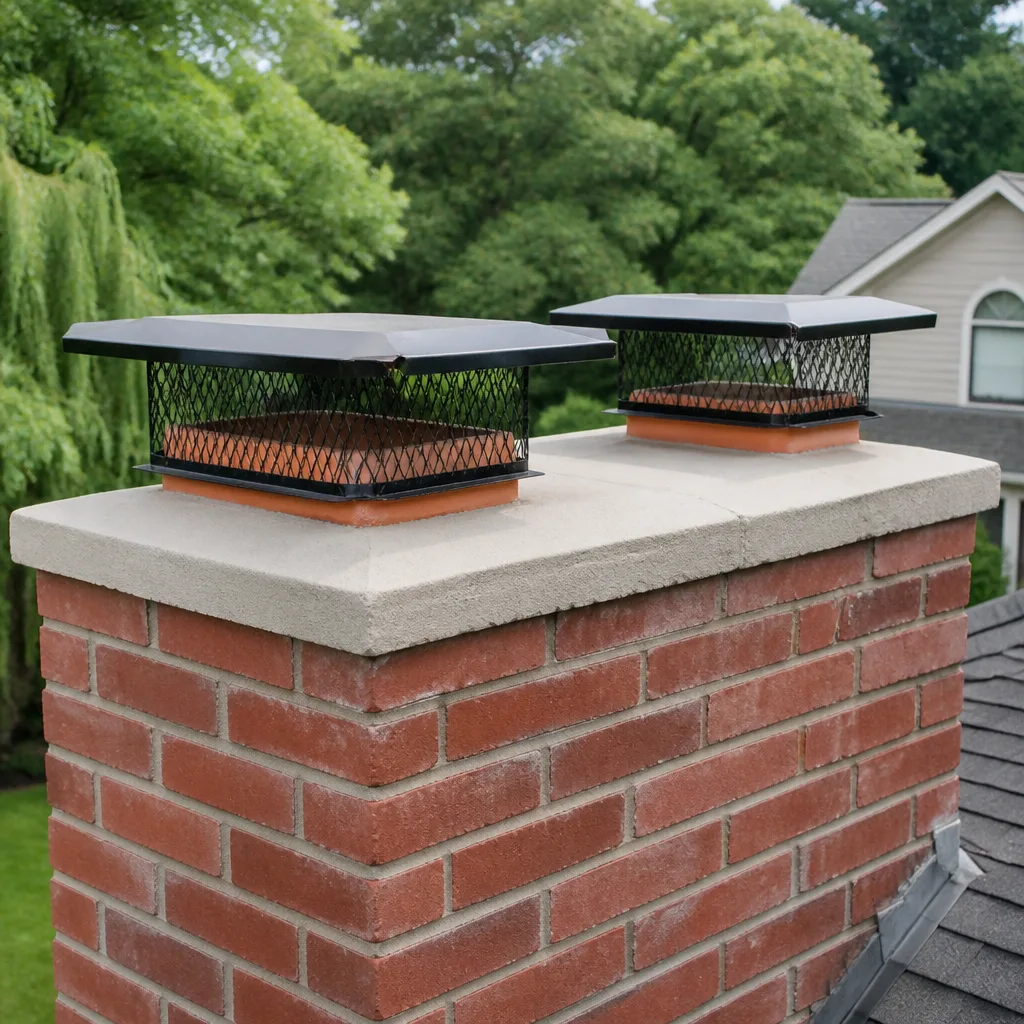 Caps & crowns
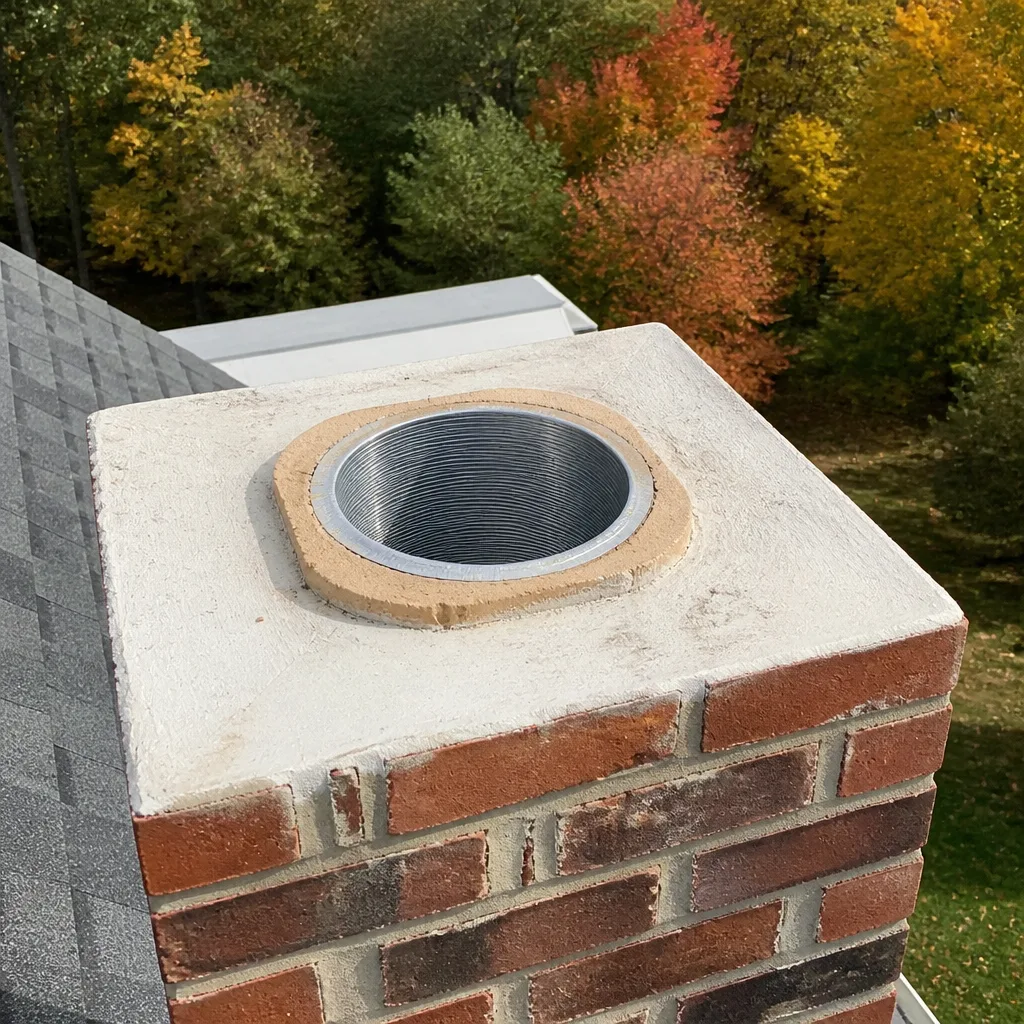 Flue relining
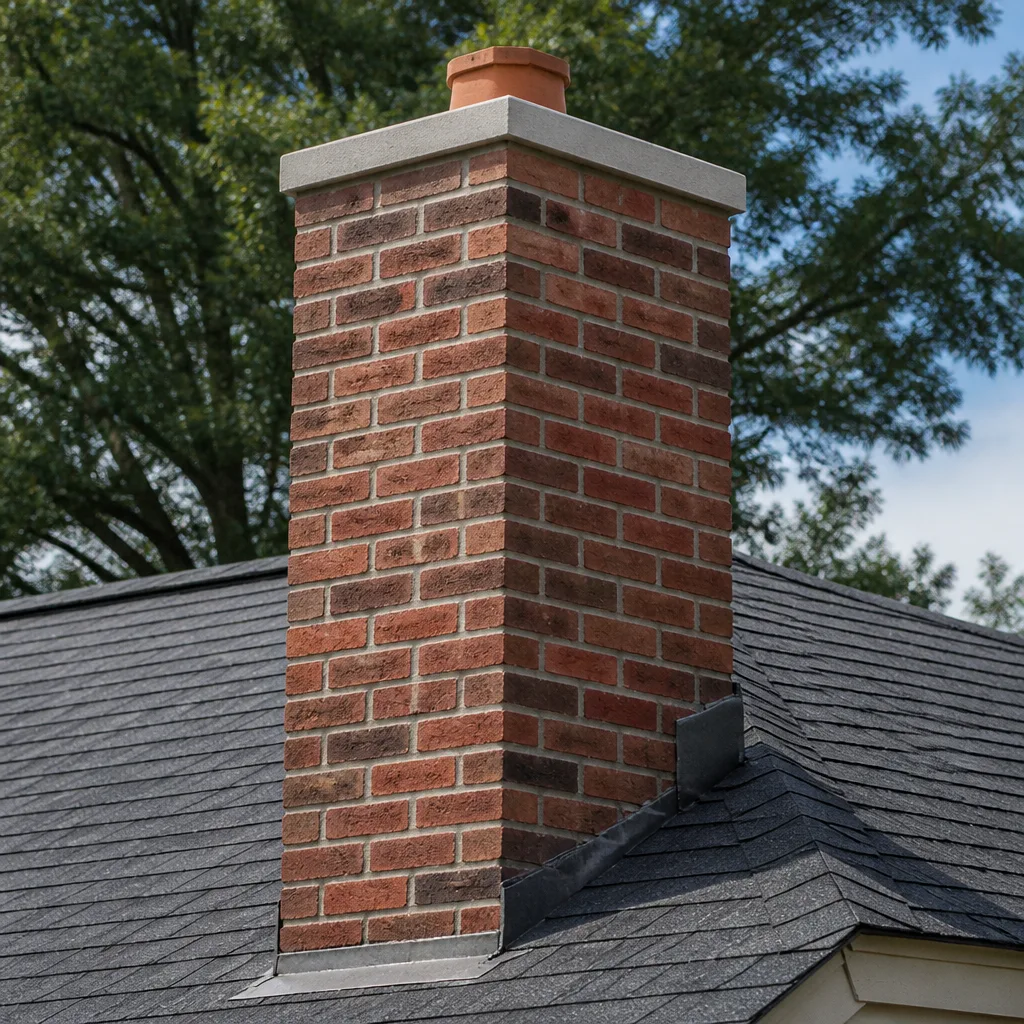 Masonry repair
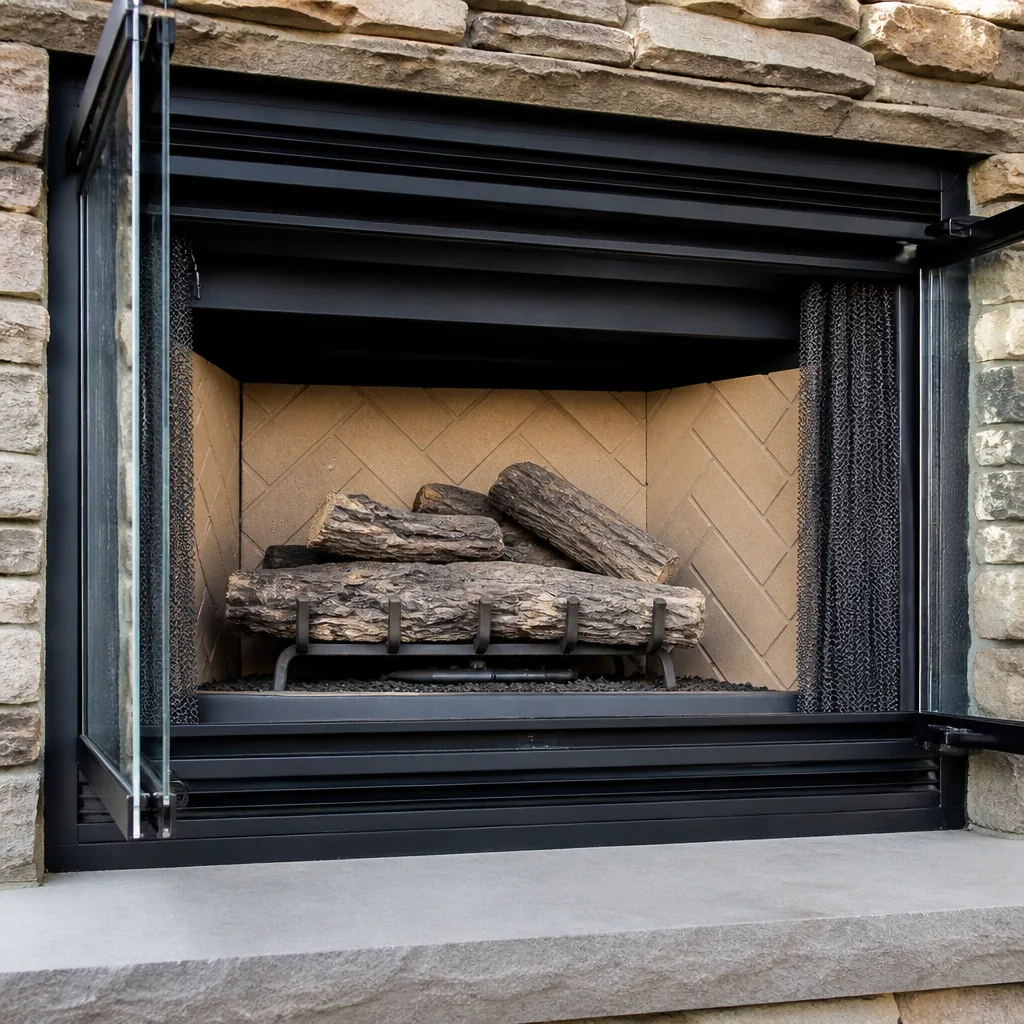 Gas fireplace service
Level 1 sweep and inspection to the NFPA 211 annual standard - flue, crown, cap, and flashing checked and photographed
Chimney sweep logs do not sweep chimneys. They loosen some creosote - which then falls where a brush and vacuum still have to collect it.
The Complete Guide to Chimney Cleaning in Steele Creek
Most Steele Creek homeowners burn two to four cords of wood each season, and most of them assume a chimney is either “working” or “broken.” That assumption is the problem. A chimney can draft perfectly, look fine from the hearth, and still be quietly failing inside the flue. The clay tile liners common in pre-2000 Steele Creek homes develop hairline cracks that let carbon monoxide slip into living spaces years before anything visible shows up. Chimney cleaning here isn’t a brush-and-go chore; it’s a system check shaped by our clay-heavy soil, humid summers, and dry winters. This guide walks you through what a complete cleaning actually involves in Steele Creek, what inspections matter, and how to read the report you get afterward.
Quick Answer
Chimney cleaning in Steele Creek means sweeping the flue of creosote and soot, then inspecting the full system, including the cap, crown, smoke chamber, firebox, and liner, to catch problems a brush alone won’t reveal. Most homes need it once a year, or sooner if you burn heavily or notice draft problems. A complete job combines sweeping with a Level 1 or Level 2 inspection, and any repair recommendation should come with camera evidence you can see for yourself.
Styles & brands we work with
- Sweep & inspection
- Caps & crowns
- Flue relining
- Masonry repair
- Gas fireplace service
Table of Contents
- Why Steele Creek’s Climate Accelerates Creosote Buildup
- Level 1, 2, and 3 Inspections: Which One Applies to You?
- Factory-Built vs. Masonry: Two Different Cleaning Approaches
- What “Complete” Chimney Cleaning Actually Includes
- How to Read a Technician’s Written Report
- Liner Integrity: The Hidden Risk in Older Steele Creek Homes
- Caps and Crowns: The Protection Most Sweeps Skip
- How Often Should You Schedule Cleaning?
Why Steele Creek’s Climate Accelerates Creosote Buildup
Creosote forms when smoke cools before it exits the flue, condensing onto the liner walls. How fast that happens depends heavily on moisture and burn temperature, and Steele Creek hands homeowners a tough combination: humid summers that leave wood stored outdoors holding more moisture, followed by dry winters when the fireplace finally gets heavy use. Wet wood burns cooler. Cooler smoke condenses faster. The result is glaze creosote, a hard, shiny, tar-like deposit that’s far more stubborn than the powdery soot many people picture.
We see this pattern repeatedly in Steele Creek. A homeowner stacks firewood against the house in spring, pulls from it in December, and burns through a season without realizing the wood never fully seasoned. By the following fall, the flue has a glazed layer that a standard brush won’t touch. Glaze creosote is the fuel behind chimney fires, and it’s the single most common finding in homes that burn two or more cords per season.
What accelerates buildup in this climate
- Unseasoned firewood: High summer humidity means wood stored outdoors needs longer to dry. Wood that reads “seasoned” after one summer often isn’t.
- Cool-burning fires: Dampers left partly closed, or fires built small and smoldered, push more unburned material onto the liner.
- Oversized fireboxes with undersized flues: Common in older Steele Creek construction, these cool smoke before it can exit.
- Long gaps between burns: A fireplace used hard for three months and idle for nine still accumulates creosote that hardens over the off-season.
The practical takeaway: in Steele Creek, annual sweeping isn’t a marketing recommendation. It’s the interval this climate demands for anyone burning regularly.
Level 1, 2, and 3 Inspections: Which One Applies to You?
Inspection levels aren’t a ranking of quality. They’re a scope of access, and choosing the right one matters as much as the cleaning itself. Most sweep-only companies fold a quick visual check into the cleaning and call it an inspection. That’s a Level 1 at best, and it isn’t always enough.
Level 1 Inspection
A visual check of accessible portions of the chimney, firebox, and flue from the hearth and, where reachable, the roof. It applies when the system is unchanged and you simply want confirmation it’s sound. A Level 1 is appropriate for a home with a known, well-maintained system being swept on a regular schedule.
Level 2 Inspection
Required whenever the system has changed or a problem is suspected. That includes a new home purchase, a change in fuel type, a liner replacement, a chimney fire, or any noticeable draft or performance issue. A Level 2 adds access to the attic, crawlspace, and roof, and it typically includes video scanning of the flue interior. In our experience, this is the level most Steele Creek homeowners actually need, especially in homes built before 2000 where clay tile liners have had decades to develop cracks.
Level 3 Inspection
Reserved for cases where a serious defect is suspected and access requires removing part of the chimney or surrounding structure. It’s uncommon, but a proper technician will name it plainly when the evidence points that way rather than guessing at a fix.
- Ask which inspection level the technician is performing before they start.
- Confirm whether a camera scan is included.
- Request the findings in writing, with photos.
- Ask what triggers a Level 2 if you’re being told a Level 1 is sufficient.
Factory-Built vs. Masonry: Two Different Cleaning Approaches
Steele Creek’s housing stock splits roughly into two groups: newer construction with factory-built fireplaces and older neighborhoods with masonry chimneys. They don’t get the same treatment, and a company that sweeps both with the same brush setup is cutting corners.
Factory-built fireplaces typically use a metal flue with specific clearance requirements and, often, a smaller flue opening. They need brushes sized precisely to the flue, and the technician has to know the unit’s manufacturer ratings to avoid damaging the liner during cleaning. This is where working with professional-grade product lines matters: Olympia Chimney components are built for these systems, and the right replacement parts have to match the unit, not approximate it.
Masonry chimneys in older Steele Creek homes present the opposite challenge. They’re often larger, with clay tile liners that have absorbed decades of moisture and thermal cycling. Cleaning a masonry flue means checking tile joints as you sweep, because a brush can open a crack that was already there. The clay-heavy soil here doesn’t help either: poor drainage around a foundation means moisture wicks into masonry from below, softening mortar and encouraging spalling on the crown and stack. That’s why masonry jobs in Steele Creek often turn into crown and mortar work, not just sweeping.
What to ask about your system
- Is your fireplace factory-built or masonry? The technician should confirm before starting.
- What brush size and type is being used, and does it match your flue?
- Will tile joints or seams be checked during the sweep?
What “Complete” Chimney Cleaning Actually Includes
A brush-only sweep cleans the flue and stops. That’s a partial job, and in Steele Creek it’s the most common shortcut we see. A complete cleaning covers the whole system, from the cap at the top to the firebox at the bottom.
- Cap inspection: Is the cap intact, properly sized, and screened? A missing or damaged cap lets water, animals, and debris into the flue.
- Crown check: The crown sheds water away from the chimney top. Cracks here let moisture into the masonry below.
- Flue sweep: Brushing sized to the flue, with attention to glaze creosote that standard brushes miss.
- Smoke chamber: This sloped area above the damper collects soot and is a common creosote trap that brush-only sweeps skip.
- Damper operation: Does it open and close fully, and seal when closed?
- Firebox and mortar: Cracks in the firebox brick or mortar are a fire pathway into the structure.
- Liner check: Visual and, when warranted, camera scanning for cracks, gaps, or deterioration.
If a company quotes you a sweep and never mentions the smoke chamber or the cap, you’re getting a partial service. That’s the difference between a company that sweeps and a dedicated chimney specialist that handles everything from routine cleaning to structural repair. When the sweep, inspection, cap and crown work, and any fireplace repair all come from one company, nothing falls between the cracks of a handoff to a second contractor.
How to Read a Technician’s Written Report
A written report is the whole point of a professional inspection. Without it, you’re relying on a verbal summary of things you can’t verify. Here’s how to read one and what should prompt immediate follow-up.
What a solid report includes
- Inspection level performed and areas accessed.
- Condition of the flue, with photos or camera footage where relevant.
- Findings on the cap, crown, smoke chamber, damper, and firebox, each noted separately.
- Clear language distinguishing “safe to use now” from “needs attention before next season” from “do not use until repaired.”
- Specific repair recommendations tied to specific findings, not a general upsell.
Findings that should trigger immediate follow-up
- Cracks or gaps in the clay tile liner, especially in pre-2000 homes.
- Glaze creosote at any measurable depth, which needs more than a standard brush.
- Damaged or missing cap or crown allowing water intrusion.
- Firebox cracks that could let fire reach the structure.
- Signs of a past chimney fire, which warrant a Level 2 inspection before further use.
If a report recommends a liner replacement, ask to see the camera evidence. Nothing we recommend goes forward without footage you can watch and understand. And if the findings show a system that can safely wait a season, we’ll tell you that plainly. A good technician says when work can wait.
Liner Integrity: The Hidden Risk in Older Steele Creek Homes
This is the part most homeowners never think about. In homes built before 2000 across Steele Creek, the standard was a clay tile liner. Clay tiles crack. They crack from thermal cycling, from moisture that wicks in through masonry, and from decades of expansion and contraction. A hairline crack is enough to let carbon monoxide move out of the flue and into the spaces behind it, inside walls, attics, and adjoining rooms. There’s often no visible sign until the problem is severe.
When the flue liner is compromised, a technician has a few paths, and the right one depends on the extent of the damage:
- HeatShield ceramic resurfacing: A repair system engineered specifically for restoring deteriorating flues. It fills and smooths cracks and voids, giving homeowners a middle option between a full reline and doing nothing. It’s the professional answer to moderate deterioration.
- DuraFlex flexible liner systems: The professional standard for relining aging or damaged flues. When the liner is too far gone for resurfacing, a DuraFlex system restores a continuous, sealed pathway for smoke and gases.
Both options are professional-grade materials, not improvised alternatives, and both should come with evidence that they’re actually needed. If a company recommends a new liner without showing you the camera footage, ask why. In our experience, the recommendation should always follow the diagnostic, not precede it.
Caps and Crowns: The Protection Most Sweeps Skip
Water is the slow killer of chimneys. Rain running into an uncapped flue damages the smoke chamber, corrodes dampers, and softens mortar from the inside. Animals nest in uncapped flues. Downdrafts push smoke back into the room on windy days. All three problems trace back to a missing or failing cap, and yet many sweep-only companies never address it.
A proper chimney cap & crown installation covers the gap. Products such as Gelco and Famco caps are built for long-term protection: they block water, keep animals out, and improve draft by keeping wind from curling into the flue. The crown, the concrete layer at the top of the chimney, does the same job for the masonry itself, shedding water toward the edges and away from the structure.
In Steele Creek, the combination of humid summers and clay soil makes crown cracks especially common. Water finds the cracks, seeps into the masonry below, and after a few winters the freeze-and-thaw cycle opens them wider. Catching a crown crack early is far cheaper than repairing the masonry it damages over time. A complete cleaning should always include a look at both the cap and the crown.
How Often Should You Schedule Cleaning?
Once a year is the baseline for most Steele Creek homeowners, but that’s a starting point rather than a rule. What actually matters is how much you burn and how much creosote accumulates.
- Burn two or more cords per season: annual sweeping is the minimum, and consider a mid-season check if performance drops.
- Burn less than a cord: inspect annually, sweep as needed based on what the inspection finds.
- Any draft or smoke-back problem: don’t wait for the annual cycle. Get it checked now.
- After any suspected chimney fire: a Level 2 inspection before you use the fireplace again.
- New home purchase: a Level 2 inspection before your first fire, regardless of the seller’s records.
If you’ve skipped more than one season in Steele Creek, that’s the strongest signal you need a professional look rather than another year of waiting. Glaze creosote hardens over time and becomes harder to remove. A yearly chimney sweep keeps it manageable and catches liner problems early, when the repair options are simpler and less costly.
Common Mistakes to Avoid
- Treating a sweep as the whole service: A brush-only job skips the smoke chamber, cap, and crown, which are where the real damage hides. Insist on the full system check.
- Burning unseasoned wood through the wet months: In Steele Creek’s humidity, firewood needs longer to dry. Damp wood burns cool and builds glaze creosote faster.
- Assuming a newer home doesn’t need inspection: Factory-built systems in newer Steele Creek construction still develop cap and flue issues and need accurate, unit-matched parts.
- Accepting a repair quote without evidence: If a company recommends a liner replacement, ask for camera footage. If they can’t show it, get a second opinion.
- Ignoring a cracked crown: Water damage spreads. A small crown crack today becomes masonry repair next winter.
- Skipping an inspection after a chimney fire: Even a small fire can damage the liner. A Level 2 inspection is the minimum before the next burn.
- Hiring a generalist: A handyman with a brush isn’t set up for liner work, crown repair, or factory-built systems. The material quality and system knowledge matter.
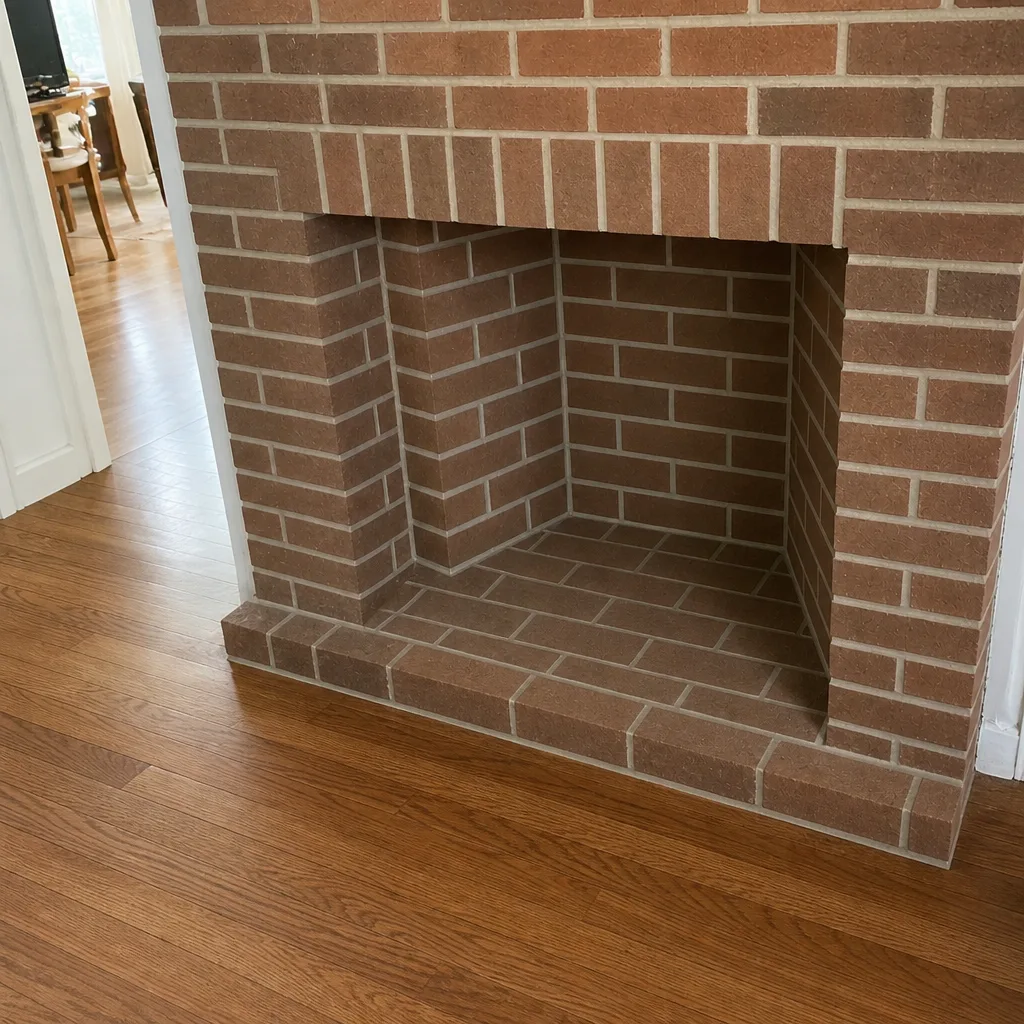
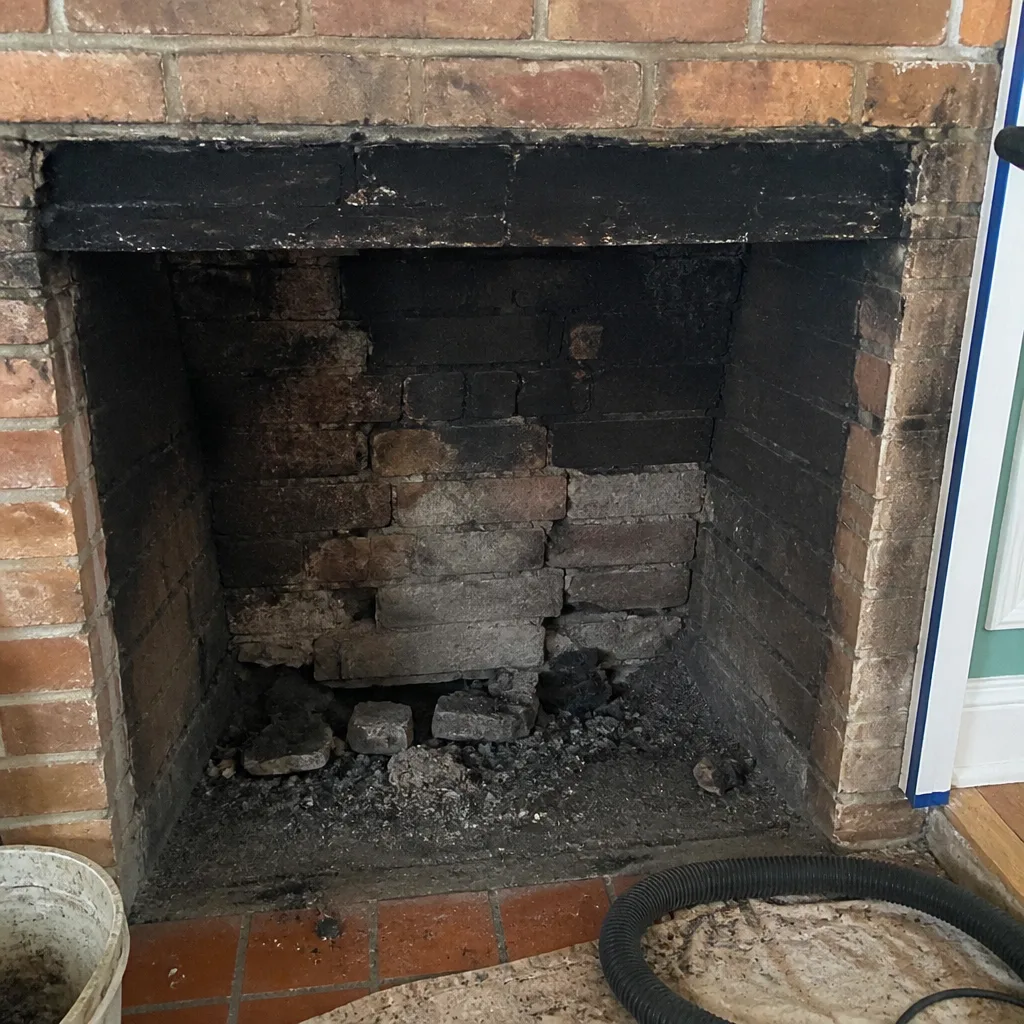
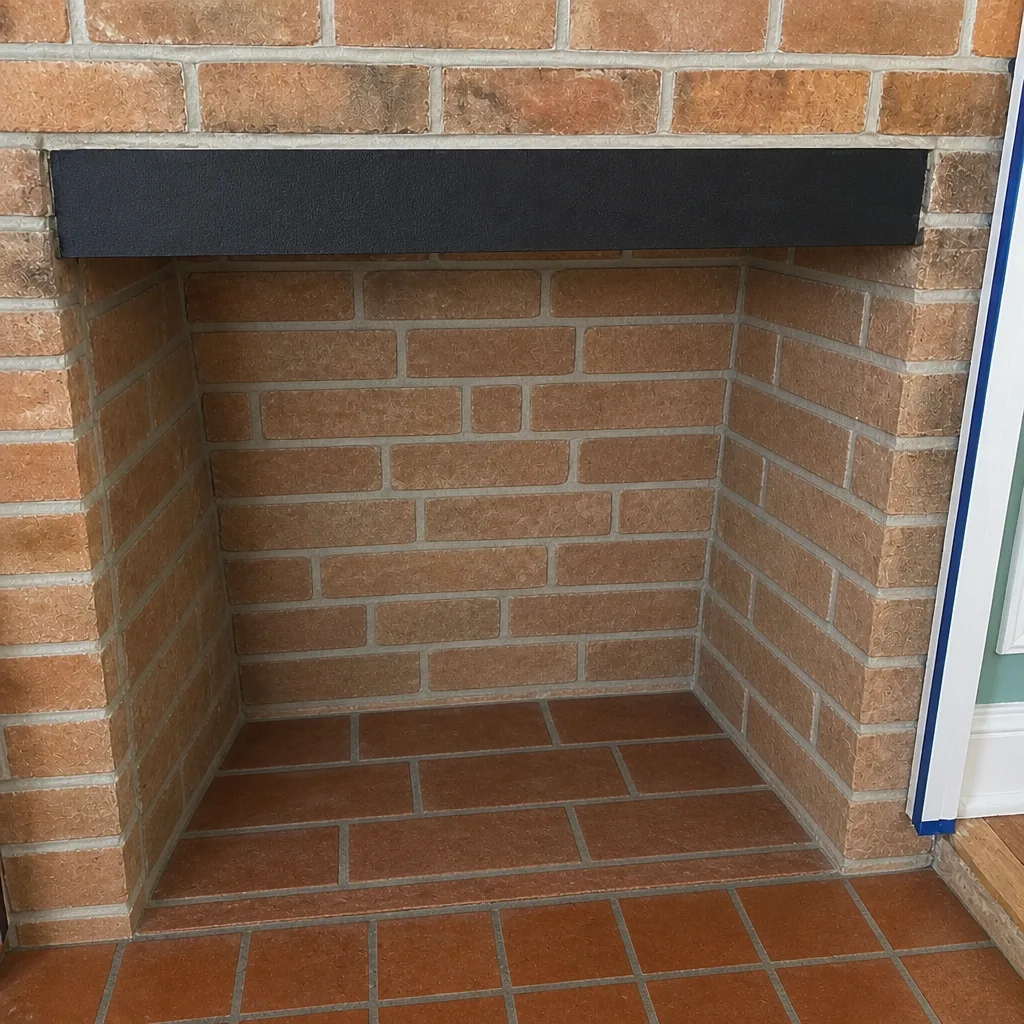
See the difference
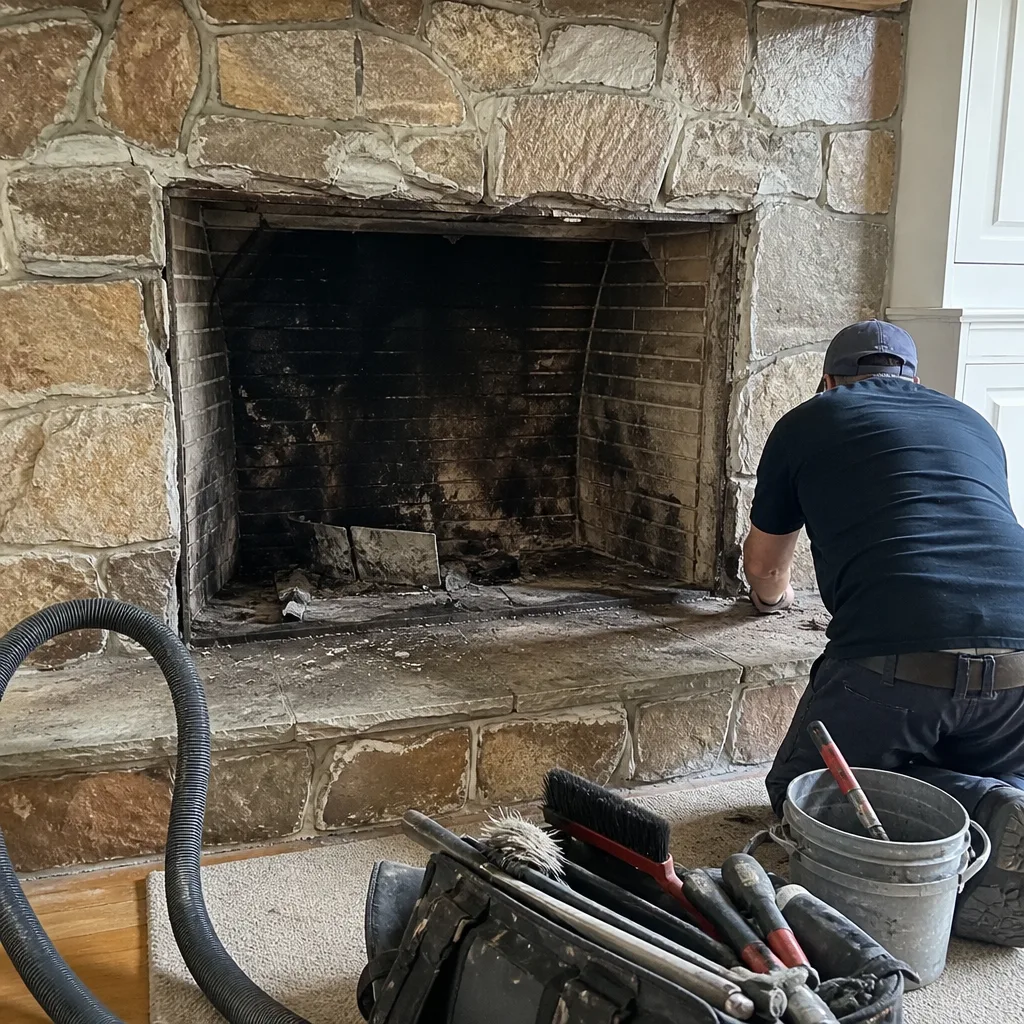 Before
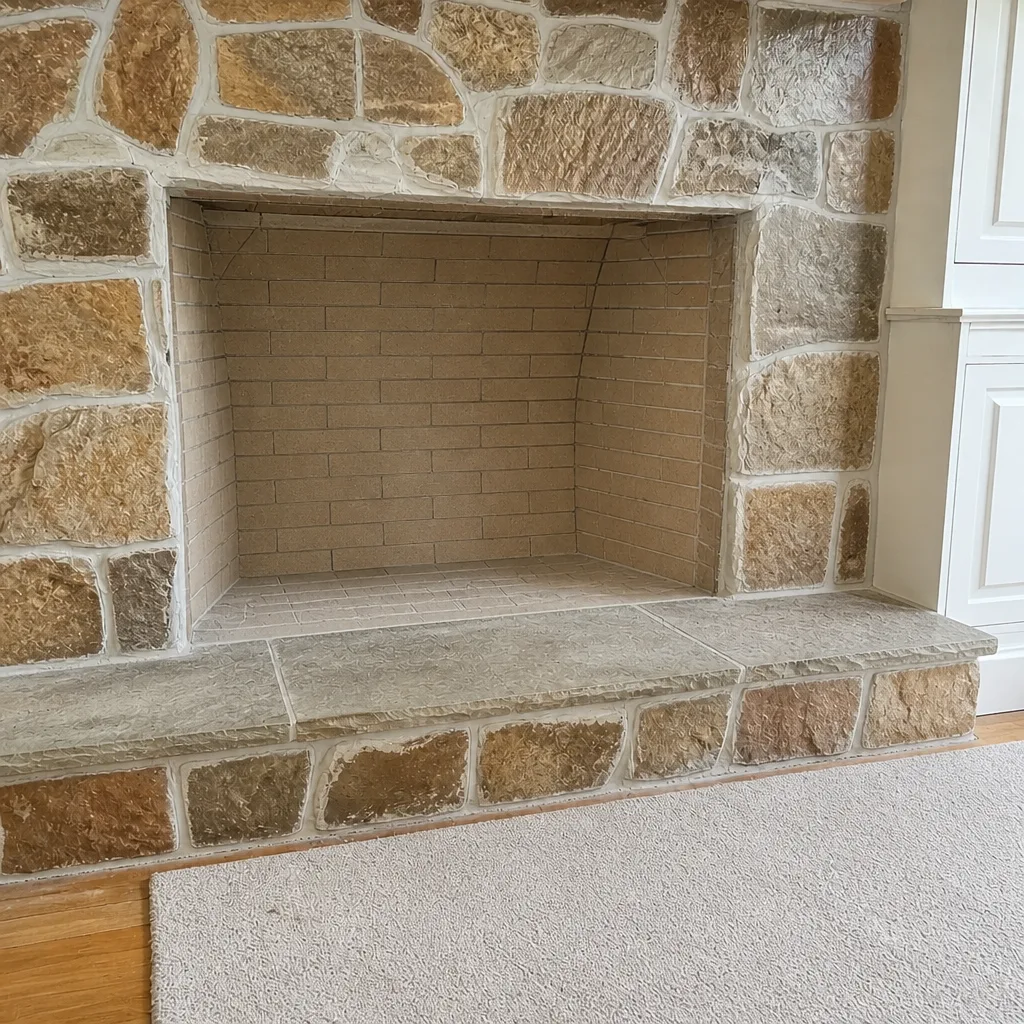 After
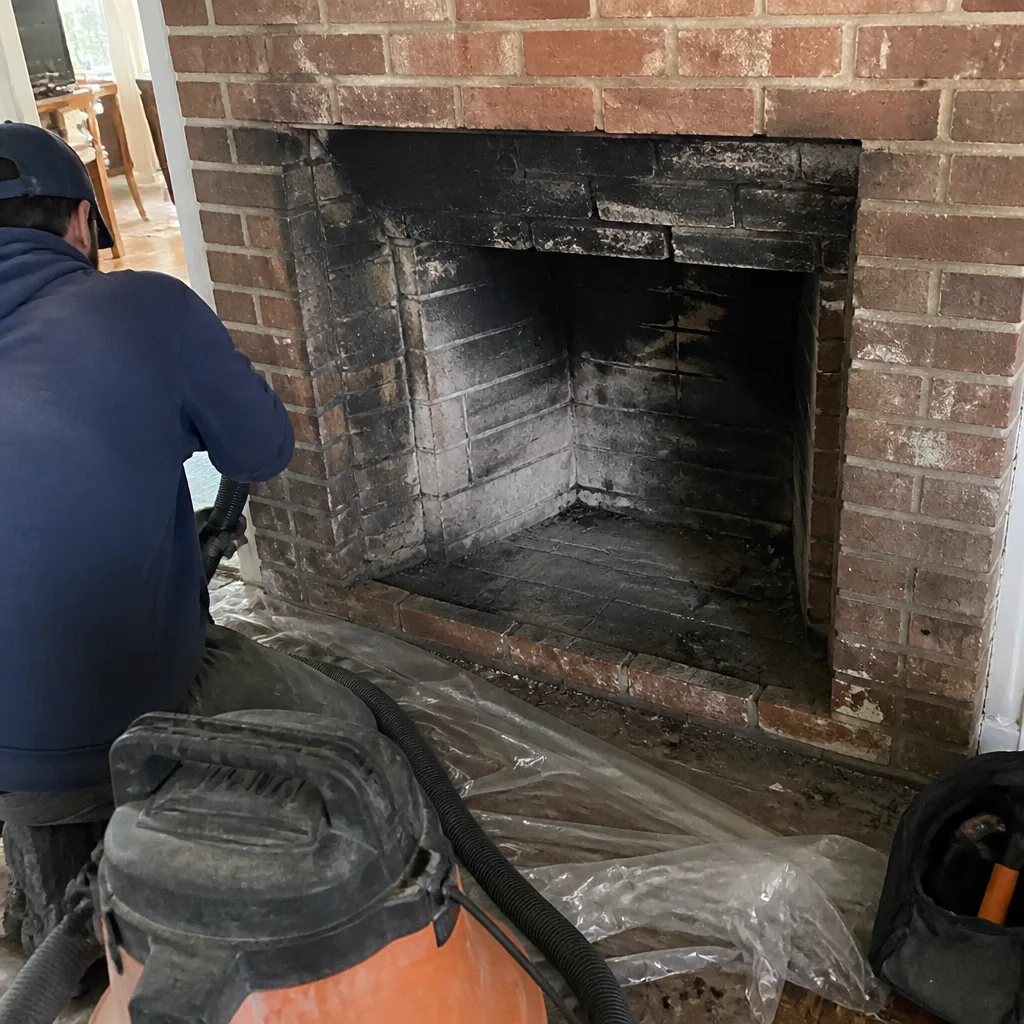 Before
 After
 Before
 After
When to Call a Professional
Some problems announce themselves: smoke rolling into the room, a strong creosote smell, visible cracks in the firebox, or a cap that’s come loose. Others stay silent until a camera scan finds them, which is why the annual inspection matters even when everything seems fine. Call a professional when you’ve burned heavily for a season or more, when you’ve bought a home and don’t know the chimney’s history, when the system has changed (a liner replacement, a fuel change, or a suspected chimney fire), or any time draft drops or you see or smell something that concerns you. Carbon monoxide is odorless, and a cracked clay liner can fail without a single visible sign from the hearth. Thermal and structural repair, liner work, and crown repairs aren’t DIY territory. Chimney Sweep Steele Creek offers free estimates in Steele Creek. Call (888) 848-8714. We answer 24/7. Fast dispatch from 7am to 7pm, Sunday through Friday.
Frequently Asked Questions
Most chimney sweeps in Steele Creek fall in a moderate range, with the exact price set per job by the written estimate after the technician sees the system. A standard sweep costs less than a sweep combined with an inspection, and any liner or crown work is quoted separately based on what the camera and inspection actually find. The estimate is free, and nothing is added without your approval. Call (888) 848-8714 for an exact quote. Estimates are free.
Once a year is the baseline for most Steele Creek homes, and more often if you burn two or more cords per season. The humid summers and dry winters here speed creosote buildup compared to drier climates, so annual sweeping catches glaze creosote before it hardens. Call (888) 848-8714 if you’re unsure when your chimney was last swept. Estimates are free.
Not always. A liner replacement is needed only when the flue is damaged enough that smoke and gases can escape into the structure, and that decision should rest on camera evidence you can see. Moderate deterioration can often be addressed with HeatShield ceramic resurfacing, which restores the flue without a full reline. When a full reline is needed, DuraFlex flexible liner systems are the professional standard. Ask to watch the footage before you agree to anything. Call (888) 848-8714 to schedule an inspection.
Creosote accumulates and hardens into glaze that fuels chimney fires, and cracks in the liner go unnoticed while carbon monoxide can seep into living spaces. Neither problem is visible from the hearth, which is why skipping a season is a real risk rather than a minor delay. In older Steele Creek homes with clay tile liners, that risk compounds year over year. Call (888) 848-8714 to get the system checked before the next burn season. Estimates are free.
A Level 1 is a visual check of accessible parts of the chimney and firebox, while a Level 2 adds access to the attic, crawlspace, and roof plus video scanning of the flue. A Level 2 is what’s needed after a home purchase, a fuel change, a suspected chimney fire, or any draft problem, and it’s the level most older Steele Creek homes actually require. We perform both as standalone services, not just as an attachment to a cleaning. Call (888) 848-8714 to book one.
Same-day service is often possible. Call and we’ll book you into the next opening; a call outside dispatch hours is booked into the next opening, Sunday through Friday, 7am to 7pm. We answer 24/7. Because Steele Creek’s burn season drives demand, booking before the first cold snap is the surest way to get the slot you want. Call (888) 848-8714.
The Bottom Line
Chimney cleaning in Steele Creek is a system service, not a brush-and-go chore. The local climate pushes creosote buildup faster than drier regions, older homes carry clay tile liners that crack silently, and the cap, crown, smoke chamber, and firebox all need attention alongside the flue. A complete job combines sweeping with the right inspection level for your situation, backed by written findings and camera evidence you can see. Whether you need a routine Chimney Sweep Steele Creek visit or a full repair evaluation, doing it right protects your home and the people in it. Built to last, not patched to pass.
Ready to schedule? Call (888) 848-8714 for a free estimate. We answer 24/7. Fast dispatch from 7am to 7pm, Sunday through Friday. One call covers everything your chimney needs.
Written by the team at Chimney Sweep Steele Creek.