
Last updated November 22, 2026
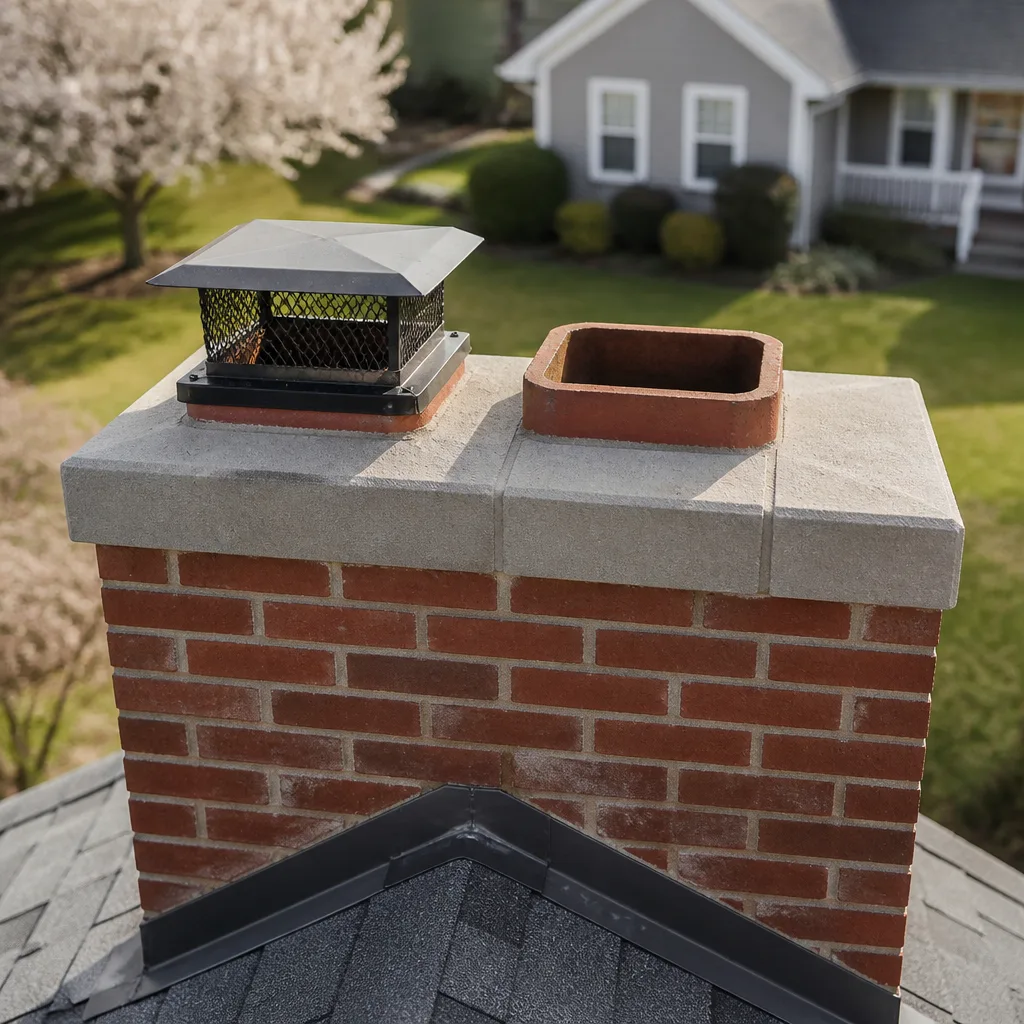 Sweep & inspection
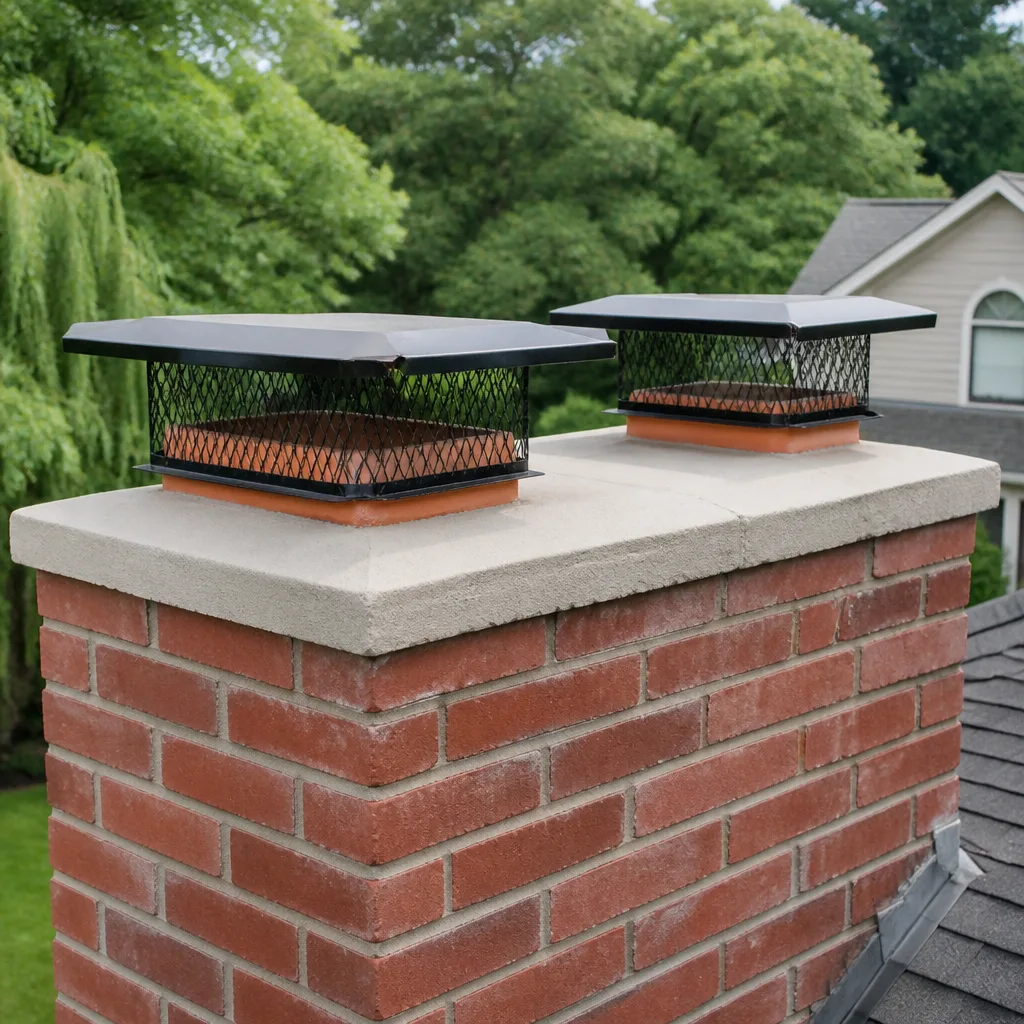 Caps & crowns
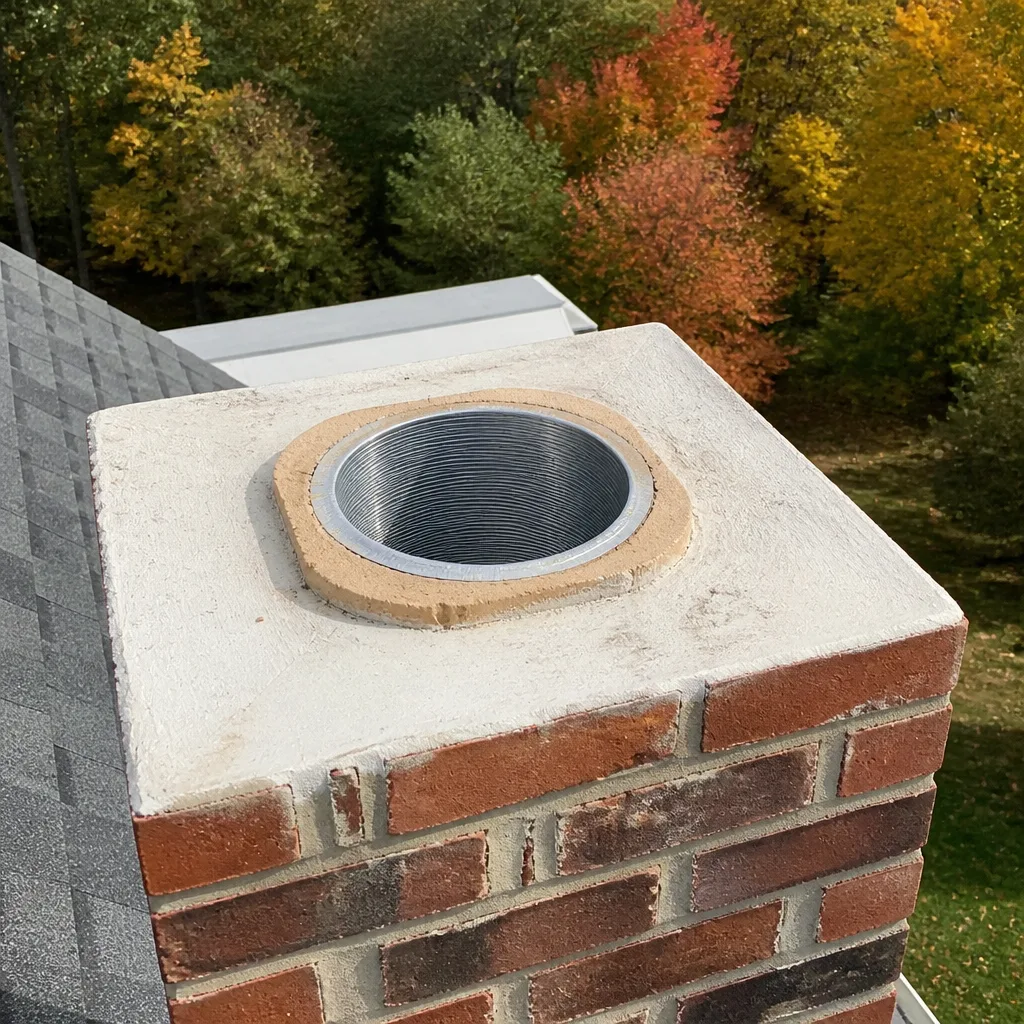 Flue relining
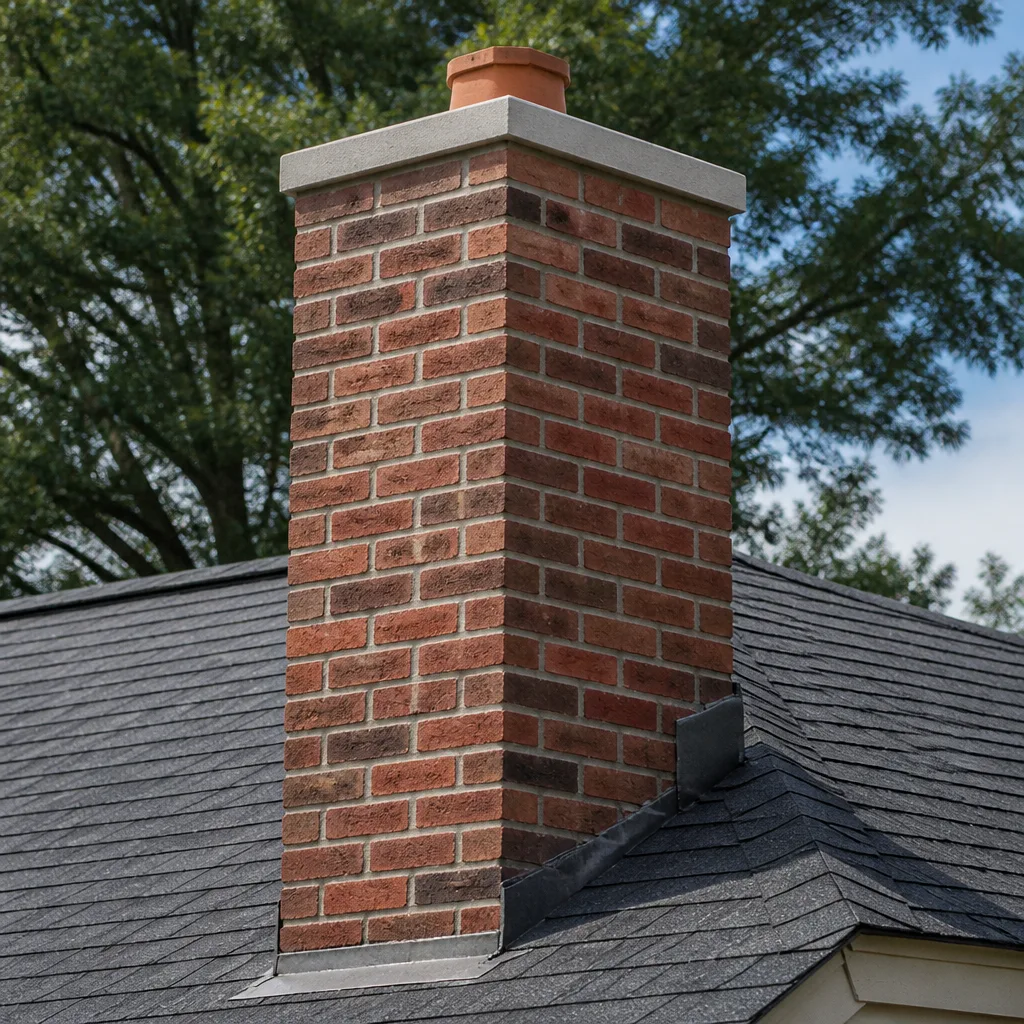 Masonry repair
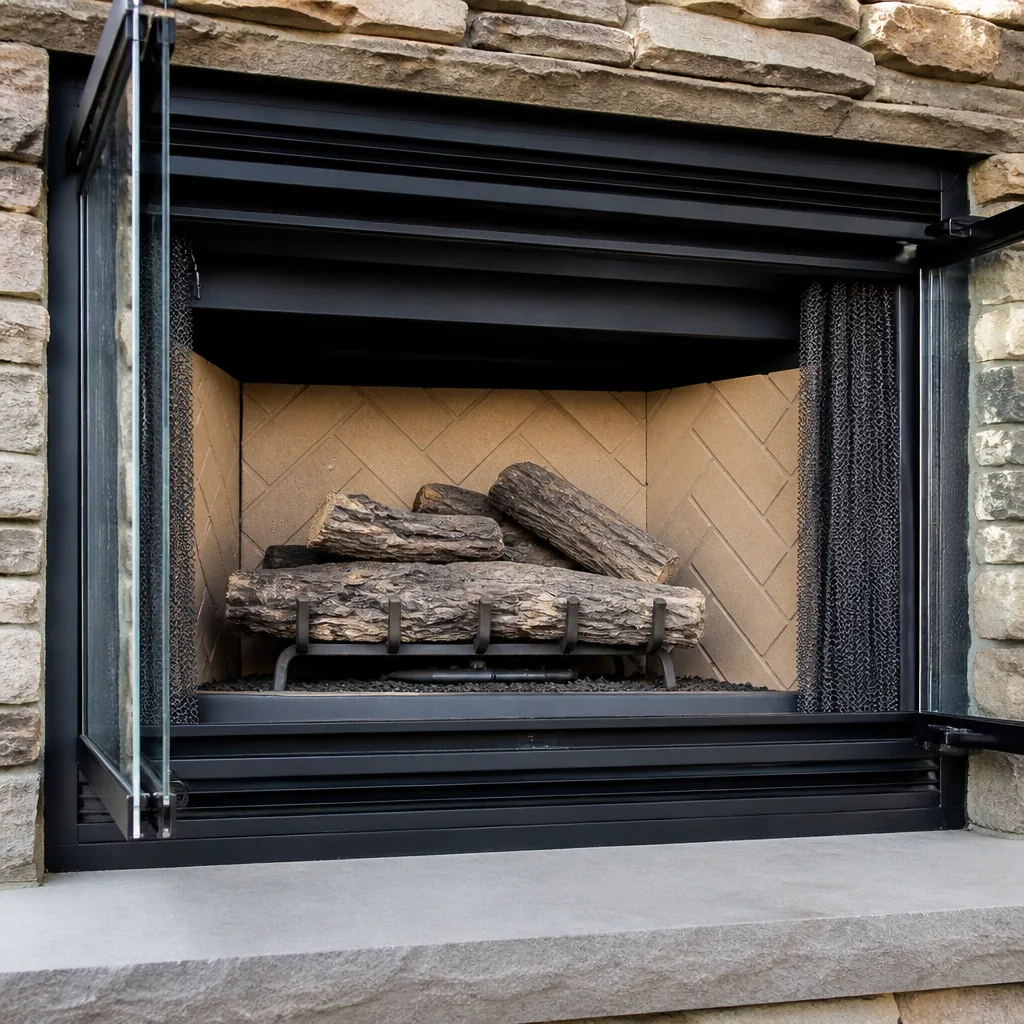 Gas fireplace service
Level 1 sweep and inspection to the NFPA 211 annual standard - flue, crown, cap, and flashing checked and photographed
Chimney sweep logs do not sweep chimneys. They loosen some creosote - which then falls where a brush and vacuum still have to collect it.
Chimney Cleaning Permits, Codes & Inspections in Steele Creek, NC: What You Need to Know
Here’s the part most homeowners get backwards: cleaning your chimney is the easy part, legally speaking. Anyone can sweep a flue without a single permit. It’s the repairs that follow a sweep where North Carolina’s residential code starts asking questions – and where a lot of work around Steele Creek gets done without the paperwork. If a technician installs a new liner or rebuilds your firebox without pulling a permit, that omission can follow you to the closing table when you sell. Buyers’ inspectors in Mecklenburg County are looking harder at unpermitted chimney work than they used to. This guide walks through what the code actually requires, when Mecklenburg County wants a permit, how NFPA 211 fits in, and what records to keep so a future sale or insurance claim doesn’t turn into a headache.
Quick Answer
Routine chimney cleaning in Steele Creek, NC does not require a permit. Repair and installation work does – relining a flue, rebuilding a firebox or chimney structure, or installing a new wood or gas appliance all fall under the North Carolina Residential Code and generally require a permit from Mecklenburg County before the work starts. A code-compliant inspection is documented in writing against NFPA 211 standards, and you should keep that report plus the permit and final inspection record with your home’s paperwork.
Styles & brands we work with
- Sweep & inspection
- Caps & crowns
- Flue relining
- Masonry repair
- Gas fireplace service
Table of Contents
- Does chimney cleaning need a permit in Steele Creek?
- Which NC Residential Code sections govern chimney systems?
- When does Mecklenburg County require a chimney permit?
- How do you verify a permit was actually pulled?
- What a code-compliant inspection report looks like
- NFPA 211 vs. local NC code: which one wins?
- What to keep on file after a permitted repair
- Selling a home with chimney work in Steele Creek
Does chimney cleaning need a permit in Steele Creek?
No. A routine chimney sweep is maintenance, not construction, so no permit is required in Steele Creek or anywhere else in Mecklenburg County. Brushing and vacuuming a flue, removing creosote, checking the damper, and clearing the smoke chamber are cleaning tasks. They don’t alter the structure of the chimney or the venting system, and they don’t trigger an inspection by the county.
The line gets crossed when the work changes the chimney. That includes anything that affects how the flue vents, how the firebox is built, or how the chimney is structurally supported. Here’s how to tell the difference:
- No permit required: annual sweeping, Level 1 visual inspection, cap replacement on an existing chase, damper lubrication, minor mortar touch-up on a crown edge.
- Permit generally required: installing a new stainless liner, relining a flue, rebuilding a firebox, replacing a chimney above the roofline, installing a new wood stove or gas insert, adding a chimney to an existing structure.
The reason this matters in Steele Creek is housing stock. A lot of homes in neighborhoods like Berewick, Ayrsley, and the older sections off Steele Creek Road were built with factory-built fireplaces or masonry chimneys that are now reaching the age where liners crack and fireboxes need rebuilding. When that repair happens, the code applies. Skipping the permit doesn’t make the repair disappear; it just means the work exists without a record, which is exactly what a buyer’s inspector looks for.
Which NC Residential Code sections govern chimney systems?
The North Carolina Residential Code contains a chapter dedicated to chimneys and vents, and it governs most of what a chimney contractor does beyond cleaning. The code adopts national standards by reference and adds NC-specific amendments. The sections that come up most often in residential chimney work cover:
- Chimney and vent installation: how a flue is sized, how clearances to combustibles are maintained, and how a liner must be listed and installed for the appliance it serves.
- Factory-built fireplaces: the requirement that the appliance be installed per its listing and the manufacturer’s instructions, which usually means a specific liner system and specific clearances.
- Masonry chimneys: flue lining requirements, wall thickness, and the crown and cap provisions that keep water out.
- Clearances to combustibles: the distances between the chimney and wood framing, insulation, and roofing materials – one of the most commonly missed items in older Steele Creek homes where a previous owner remodeled around a chimney.
- Venting of gas appliances: the rules for venting a gas fireplace or a furnace flue, which differ from solid-fuel venting and require their own listed materials.
The code is specific about liners. A flue that serves a wood-burning appliance needs a listed liner, and if the original clay tile is cracked or the chimney was built without a liner at all, the repair is a reline – not a patch. That’s why we install DuraFlex flexible liner systems when a flue is deteriorating. DuraFlex is the professional standard for relining an aging flue, and it gives the homeowner a listed, code-compliant repair instead of an improvised one.
For flues that are rough but still structurally sound, resurfacing is sometimes the more proportionate repair. HeatShield is a ceramic resurfacing system engineered specifically for restoring a deteriorating chimney flue, and it sits between a full reline and doing nothing. Both approaches need to match the code requirements for the appliance being vented, and neither is a substitute for pulling the permit when the code calls for one.
When does Mecklenburg County require a chimney permit?
Mecklenburg County issues chimney permits for the same work that changes or installs a chimney system. If you’re in unincorporated Steele Creek or inside the Charlotte city limits, the county’s code enforcement office handles the permit and the inspection. The categories below are the ones you’ll run into most:
- New chimney construction or a full rebuild. Any chimney that goes up where there wasn’t one, or comes down and goes back up, needs a permit and a final inspection.
- Relining a flue. Installing a new liner in an existing chimney is a permit item in most cases, because it changes the venting system and must be inspected for proper sizing, connection, and clearance.
- Firebox rebuilds. Rebuilding the firebox or the smoke chamber affects how the fireplace drafts and how heat is contained. That’s a permit job.
- New appliance installation. A wood stove, a gas insert, or a new gas fireplace needs a permit and inspection, usually tied to the venting work.
- Structural chimney repair. Repointing above the roofline is usually maintenance. Rebuilding a chimney that’s pulling away from the house or has failed masonry is structural, and it needs a permit.
Sweeping and inspection alone never require a permit. Neither does installing a chimney cap on an existing flue. If a contractor tells you a cap installation needs a county permit, ask them to show you the requirement – chimney cap & crown work is maintenance in ordinary cases, and pulling an unnecessary permit is just a way of inflating a job.
One thing to confirm before any permit-covered work starts: who pulls the permit. In Mecklenburg County, the permit holder is responsible for the work being done to code. On chimney repair jobs, the contractor should pull the permit in their name. If a contractor asks you to pull a homeowner permit for a repair they’re going to perform, that’s a signal to slow down. It shifts the code responsibility onto you and leaves you holding the liability if something goes wrong.
How do you verify a permit was actually pulled?
You verify a chimney permit the same way you verify any other building permit: through Mecklenburg County’s online permit portal or by calling the county’s code enforcement office directly. Every permit has a number, a property address, and a record of inspections. If the permit exists, it shows up there.
Here’s the process we recommend to any Steele Creek homeowner before work begins:
- Ask the contractor for the permit number before the crew arrives. Not after. A legitimate contractor can give you the number before the first day of work.
- Look it up on the county portal. Confirm the address matches your home, the scope matches the work being done, and the contractor’s name matches who’s on site.
- Ask who schedules the inspection. The permit holder is responsible for calling for inspection. If the answer is “you do,” ask why.
- Get the inspection result in writing. A passed inspection should produce a document. Ask for a copy.
- Keep the permit number and inspection record with your closing documents. You’ll want them if you sell.
If the work is already done and you’re not sure a permit was pulled, you can still check. Look up the address on the county portal. If nothing shows, and the work involved a reline or a rebuild, the honest next step is to have the work inspected – which may mean opening up part of the chimney to see what’s underneath. That’s an uncomfortable position to be in, and it’s why the permit check should happen before the job, not after.
What a code-compliant inspection report looks like
A real inspection report tells you what’s in the chimney in writing, with photos, and cites the standard it was performed against. A sales sheet tells you what you should buy. Those are different documents, and in Steele Creek you’ll see both.
The National Fire Protection Association publishes NFPA 211, which is the standard for chimneys, fireplaces, vents, and solid fuel-burning appliances. It defines three inspection levels, and each one applies to a different situation:
- Level 1: a visual inspection of the readily accessible portions of the chimney and venting system, with the appliance connected. This is the standard inspection that accompanies an annual sweep.
- Level 2: a more thorough inspection that includes accessible portions of the chimney and venting, and typically a video scan of the flue interior. NFPA 211 calls for a Level 2 when a property changes hands, after an operating malfunction, after a chimney fire, or when a new appliance is being installed.
- Level 3: a diagnostic inspection that requires opening concealed parts of the chimney or building. This is used when a Level 1 or Level 2 finds a problem that can’t be diagnosed without access.
A code-compliant report should include the inspection level performed, the date, the address, the condition of the flue interior, the condition of the firebox and smoke chamber, the condition of the crown and cap, any clearance issues, and photographic evidence of what was found. It should tell you what’s a hazard, what’s a maintenance item, and what can safely wait. If the report only says “recommend full reline” with no photos and no levels, ask questions.
We inspect before we recommend, which means the photos come to you before the estimate does. It’s the only way you can check the recommendation yourself. Fireplace repair is a common follow-on to an inspection, and so is a cap or crown replacement when water is getting in. Both should be backed by evidence from the report, not a hunch.
NFPA 211 vs. local NC code: which one wins?
The NC Residential Code wins, and NFPA 211 is what the code points to for the technical standard. The relationship is straightforward: the state adopts the residential code, and the code incorporates NFPA 211 by reference for chimney, fireplace, and venting requirements. When the code and NFPA 211 conflict, the code governs. In practice, most of the time, the code has already adopted NFPA 211’s requirements, so a properly inspected and installed chimney satisfies both.
Where the two interact in ways that matter to Steele Creek homeowners:
- Inspection levels: NFPA 211 defines Level 1, 2, and 3 inspections. The code doesn’t replace that framework – it depends on it. If your contractor doesn’t know the levels, they aren’t inspecting to the standard.
- Relining: NFPA 211 requires a listed liner in an existing flue when the original lining has failed. The code adopts that requirement and adds the permit and inspection process.
- Clearances: NFPA 211 sets the clearance requirements for combustible materials around a chimney. The code adopts those clearances and the county inspects to them.
- Annual inspection: NFPA 211 recommends an annual inspection and cleaning as needed. The code doesn’t enforce the annual schedule, but a maintenance record supports the inspection report when you sell or file a claim.
In practice, “which one takes precedence” is less important than making sure the work is documented. A report written against NFPA 211 and a permit inspected to the NC Residential Code are complementary. A report that doesn’t cite either one is a sales document.
What to keep on file after a permitted repair
Keep the permit number, the final inspection record, the contractor’s invoice with the scope of work, the inspection report with photos, and the manufacturer’s documentation for any liner or appliance installed. Put those in a folder with your closing documents. It’s the difference between a smooth sale and a buyer’s inspector flagging “unpermitted chimney work” in the report.
Here’s the file we suggest homeowners in Steele Creek put together after any repair:
- The permit number and issuing authority (Mecklenburg County), with the date issued.
- The final inspection result – a passed inspection should have a record.
- The contractor’s invoice showing the exact scope: what was relined, what was rebuilt, what materials were installed.
- The inspection report with photos, cited against NFPA 211, including the level performed.
- Product documentation for the liner system (DuraFlex, for example, publishes its listings and installation requirements), the cap, or the appliance.
- Any follow-up sweep or inspection records in the years after the repair.
For insurance, the same file works. If a chimney fire or water intrusion claim comes up, the insurer will want to see that the chimney was maintained, that the repair was permitted, and that the work was done to a recognized standard. A permit and a report are the proof. Chimney Sweep Steele Creek provides the inspection report and photo documentation that go in this file, whether or not we did the original repair.
Selling a home with chimney work in Steele Creek
When you sell a home in Steele Creek with a chimney, the buyer’s inspector will look at the chimney and will ask whether any recent work was permitted. Unpermitted chimney work shows up in a few specific ways: a reline with no permit record, a firebox rebuild with no inspection, or an appliance install with no venting documentation. Any of those can become a negotiation point.
NFPA 211 calls for a Level 2 inspection when a property changes hands. That’s not a county requirement, but it’s the standard the buyer’s inspector will be working to, and having a Level 2 done before you list is the clean way to get ahead of it. The report will tell you what, if anything, needs attention. If the chimney is in good shape, the report goes in the disclosure packet. If it needs repair, you can get it done with a permit and a record before the buyer’s inspector finds it.
Mecklenburg County’s online permit portal makes this easier than it used to be. A buyer’s agent can pull the permit history for your address in a few minutes. A clean permit history for chimney work is a selling point; a missing one is a question.
Common Mistakes to Avoid
- Letting a contractor talk you out of the permit to “save time.” A permit adds a step to the job, not a week. Skipping it leaves you with unpermitted work that a buyer’s inspector will flag in Steele Creek, where resale scrutiny on chimney systems has gotten tighter.
- Pulling the homeowner permit for a contractor’s repair. If the contractor asks you to pull the permit, they’re shifting the code responsibility to you. The permit holder is the party responsible for the work being done to code, and on a repair job that should be the contractor.
- Accepting a one-page “inspection” that recommends a reline with no photos. A real report cites the inspection level against NFPA 211 and shows you the inside of the flue. A single page with a recommendation and a price is a sales sheet.
- Confusing a sweep with an inspection. A sweep cleans the flue; an inspection documents its condition. If the sweep only vacuums and hands you a receipt, you don’t have an inspection report, and you don’t have the documentation your insurer or a buyer will want.
- Assuming a cap is a cosmetic add-on. A missing or damaged cap lets water, animals, and downdraft into the flue, which is the leading cause of the deterioration that makes a reline necessary in the first place. chimney cap & crown replacement is inexpensive compared to the repair it prevents.
- Not keeping the paperwork. The permit number, the final inspection record, and the report with photos are the three documents that protect a resale. Homeowners who don’t keep them end up paying for an inspection to prove the work was done.
- Assuming the code doesn’t apply because the house is older. Older Steele Creek homes are exactly where clearances and liner requirements get missed, because previous remodels and additions may have covered them up. Age doesn’t exempt a chimney from the code; it makes the inspection more important.
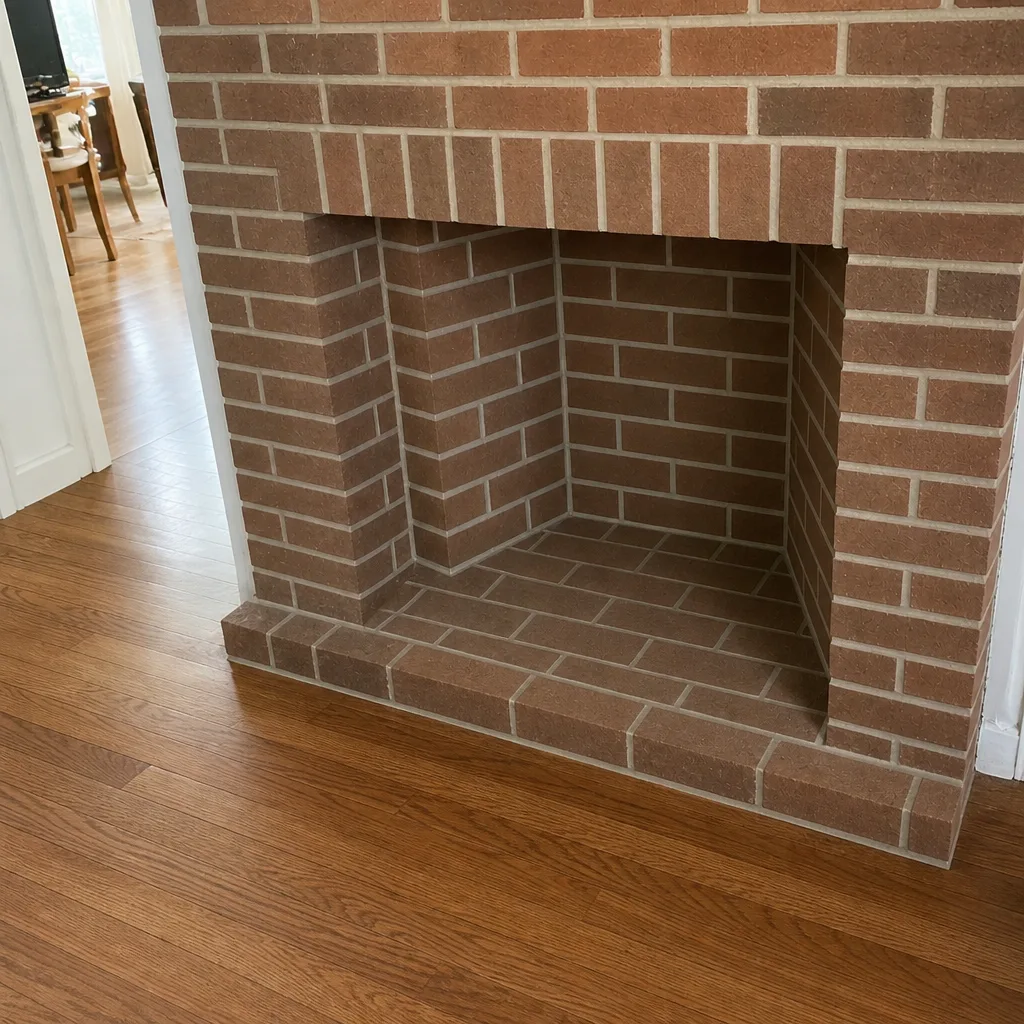
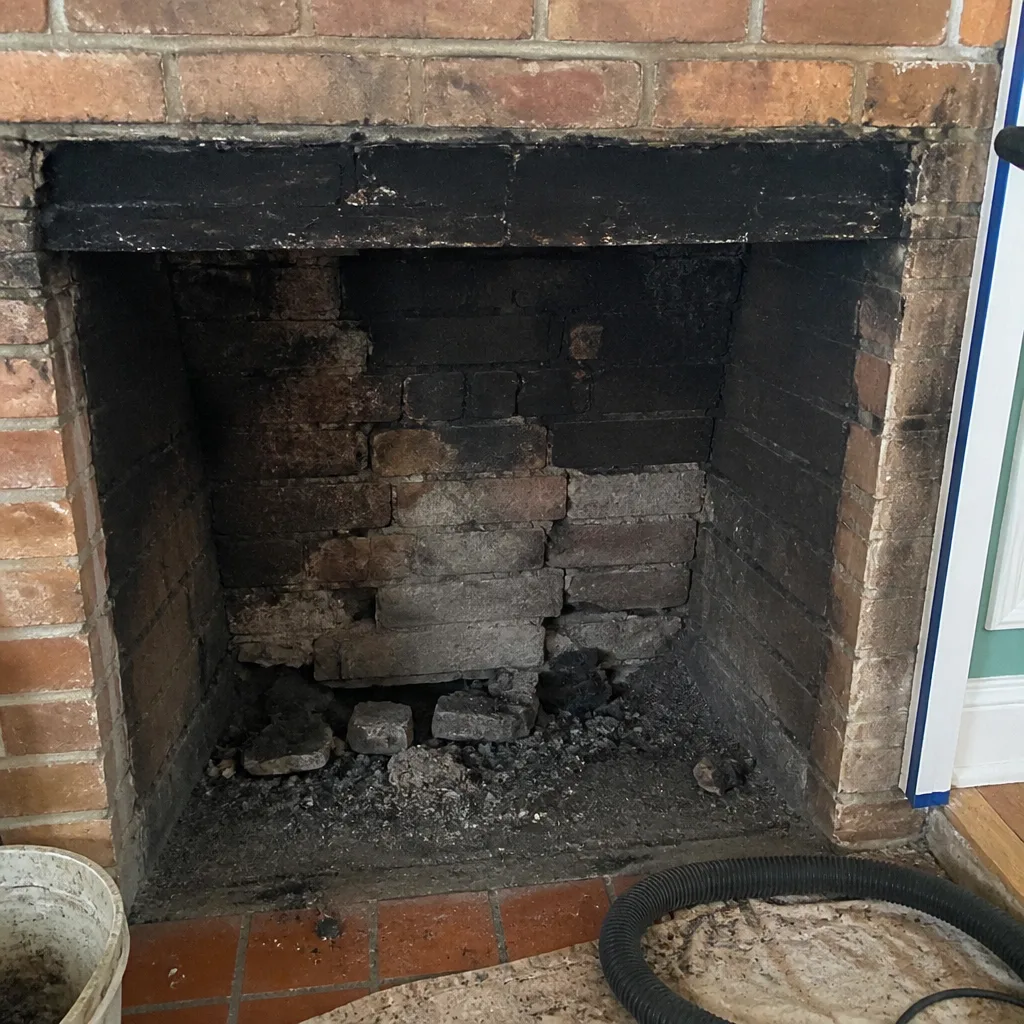
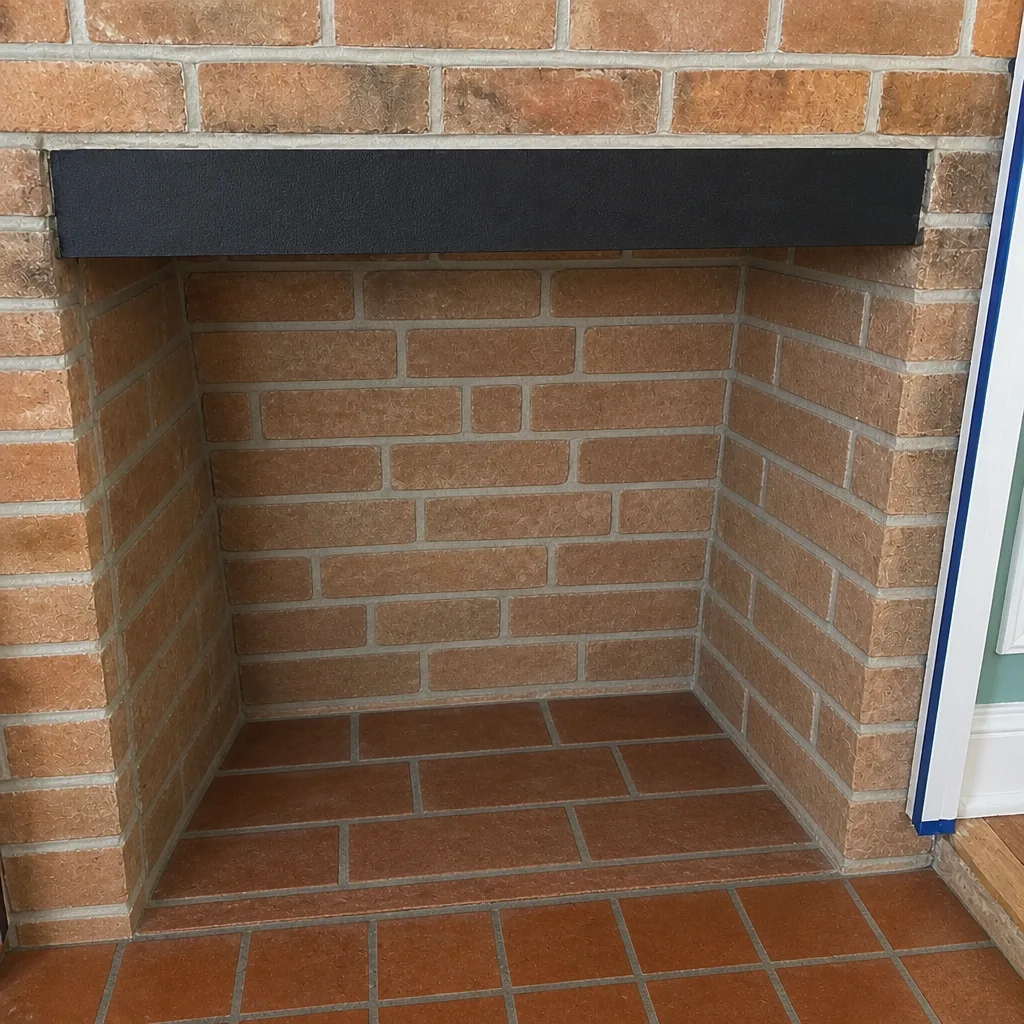
See the difference
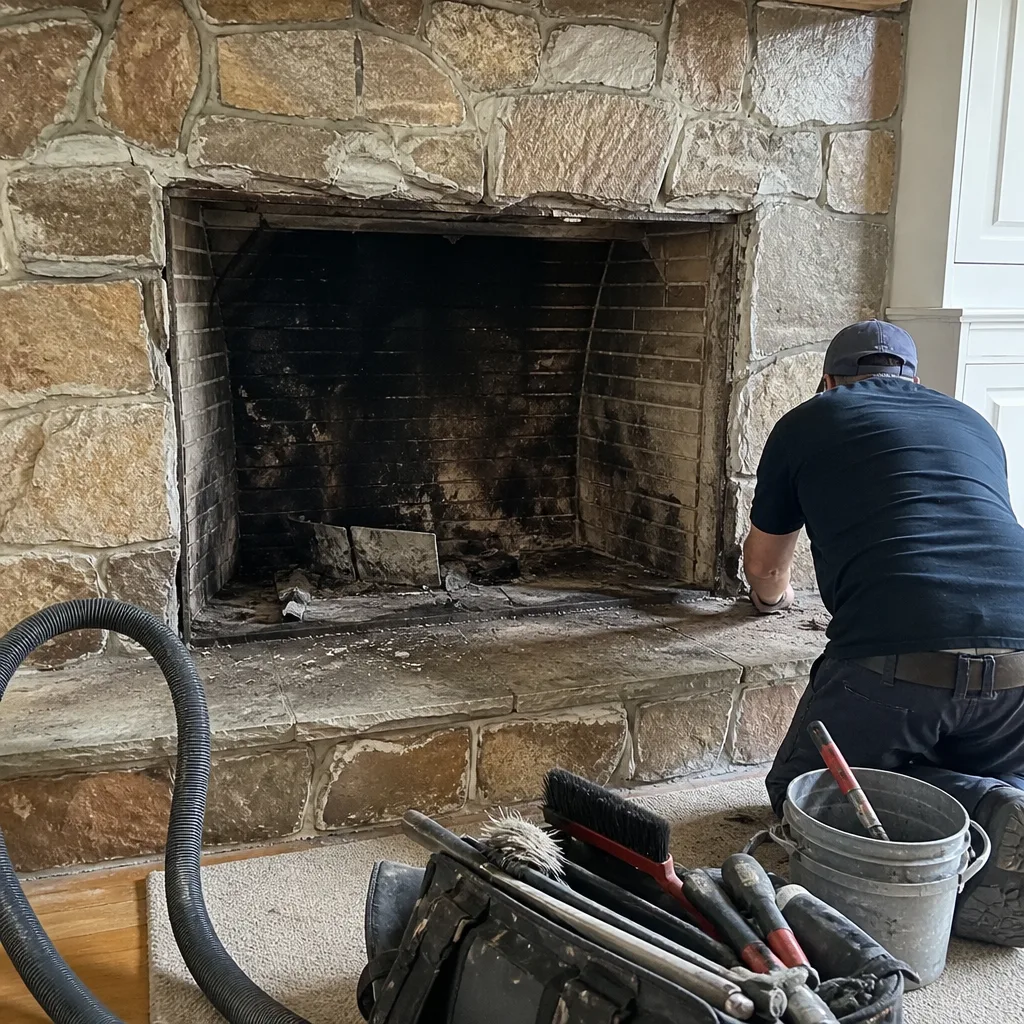 Before
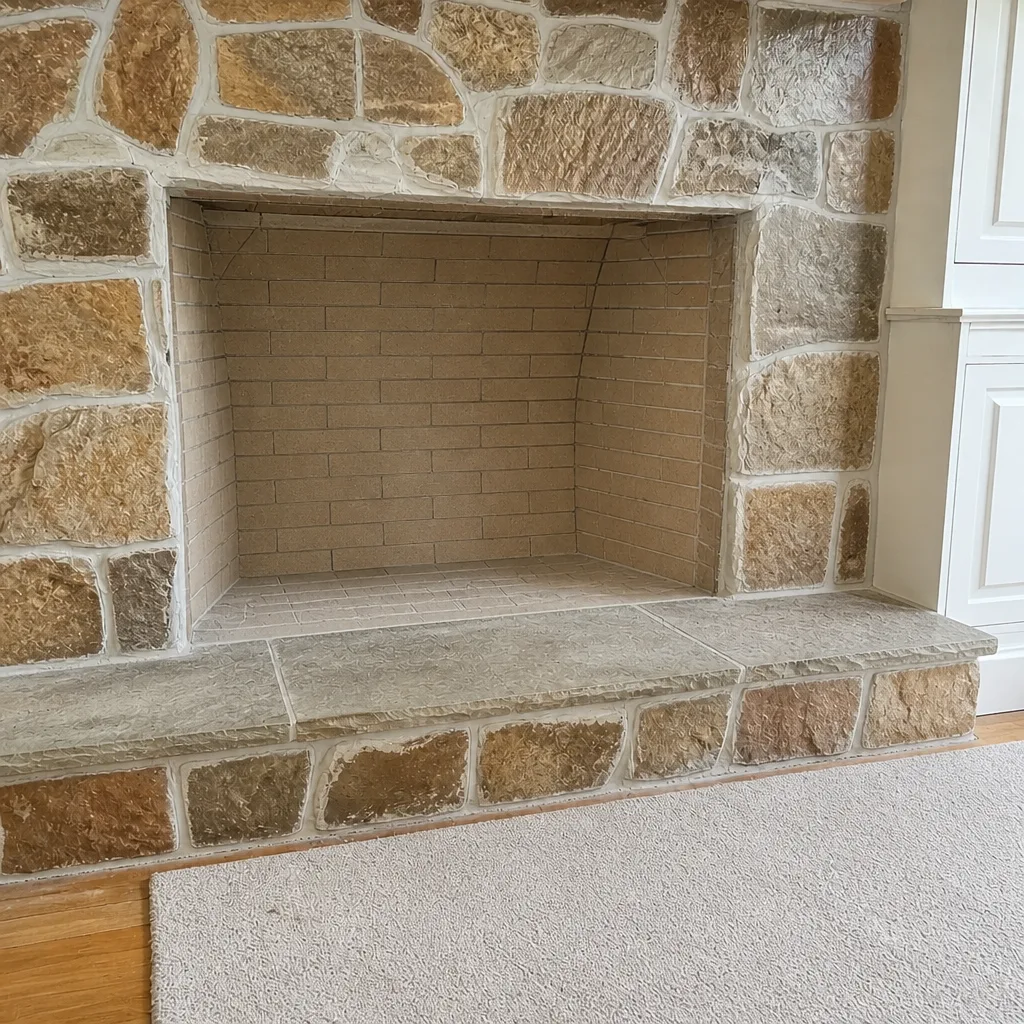 After
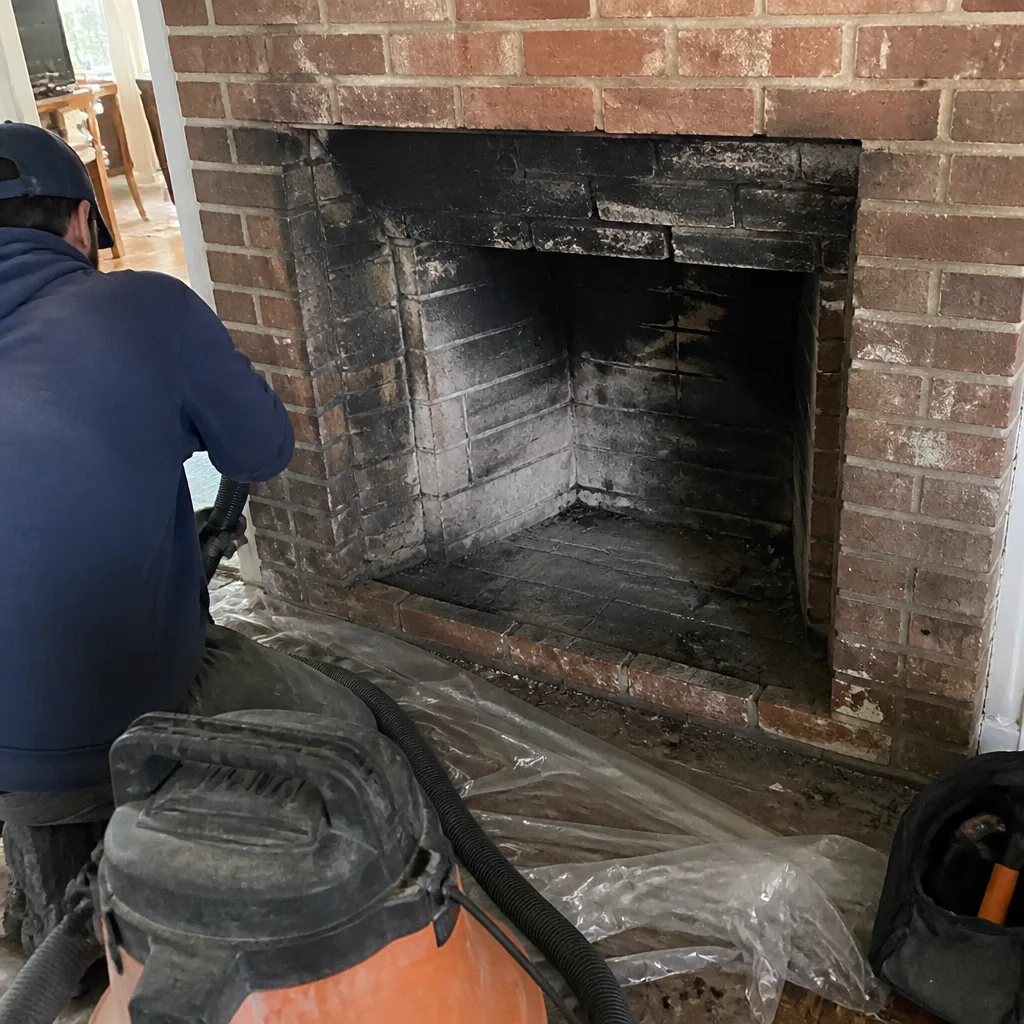 Before
 After
 Before
 After
When to Call a Professional
Call a qualified chimney professional if you smell smoke in the house when the fireplace isn’t lit, if you see cracked or missing mortar above the roofline, if water is coming down the flue, or if your homeowner’s insurance or a home sale requires a Level 2 inspection. Call if a previous contractor did chimney work and you can’t confirm a permit was pulled – that’s a case where a professional inspection tells you what’s actually there. Call if you’re installing a new wood stove or gas insert, because the venting is a code item and needs to be done correctly the first time. And call if it’s simply been a while since the flue was swept and you don’t have a written record of the last inspection. Chimney Sweep Steele Creek offers free estimates in Steele Creek – call (888) 848-8714.
Frequently Asked Questions
No. Routine chimney cleaning is maintenance and does not require a permit in Steele Creek or anywhere in Mecklenburg County. Permits apply to repair and installation work that changes the chimney system – relining, firebox rebuilds, structural chimney repair, or a new appliance install. Call (888) 848-8714 for an exact quote – estimates are free.
A standard chimney sweep in the Steele Creek area typically falls in a modest range that depends on the flue configuration and how much creosote has built up, and a Level 2 inspection with a video scan usually runs higher than a basic sweep. We set the price per job with a written estimate before any work is booked, so you know the number up front. Call (888) 848-8714 for an exact quote – estimates are free.
In most cases yes. Installing a new liner changes the venting system and is treated as a permit item under the NC Residential Code, with a final inspection after installation. The permit protects you at resale and on an insurance claim, because it’s the record that the work was inspected. Ask your contractor for the permit number before the work starts. Call (888) 848-8714 for an exact quote – estimates are free.
A Level 1 inspection is a visual check of the readily accessible portions of the chimney with the appliance connected, and it’s the standard annual inspection. A Level 2 inspection goes further, typically including a video scan of the flue, and NFPA 211 calls for one when a property changes hands, after a chimney fire, after an operating malfunction, or when a new appliance is installed. Both are documented in writing. Call (888) 848-8714 for an exact quote – estimates are free.
Look up your address on Mecklenburg County’s online permit portal, or call the county’s code enforcement office and ask for the permit history at your address. A permit record will show the number, the scope, the contractor, and the inspection result. If nothing shows and the work involved a reline, rebuild, or appliance install, get an inspection to find out what’s actually there. Call (888) 848-8714 for an exact quote – estimates are free.
NFPA 211 calls for a Level 2 inspection when a property changes hands, and while the county doesn’t enforce that, a buyer’s inspector will look closely at the chimney. Having a Level 2 done before you list gives you a written report and photos to put in the disclosure packet, and it lets you get any permit-required repair done ahead of the sale. Call (888) 848-8714 for an exact quote – estimates are free.
A chimney should be inspected annually, and swept whenever the inspection shows enough creosote buildup to warrant it – the timing depends on how much you burn and whether the wood is seasoned. A home that burns regularly will usually need a sweep more often than one that lights a fire a few times a season. The annual inspection sets the schedule. Call (888) 848-8714 for an exact quote – estimates are free.
The Bottom Line
Sweeping doesn’t need a permit. Relining, rebuilding, and installing do, and North Carolina’s residential code – which adopts NFPA 211 by reference – is the standard those repairs are inspected against. In Steele Creek, the practical takeaway is simple: ask for the permit number before the work starts, verify it on the county portal, and keep the permit, the final inspection record, and the photo report in your closing documents. A written inspection against NFPA 211 is what separates a real report from a sales pitch, and it’s the document that protects you at resale and on an insurance claim. When you’re ready to know exactly what’s in your chimney, call (888) 848-8714. We answer 24/7. Fast dispatch from 7am to 7pm, Sunday through Friday.
Written by the team at Chimney Sweep Steele Creek.