
Last updated November 22, 2026
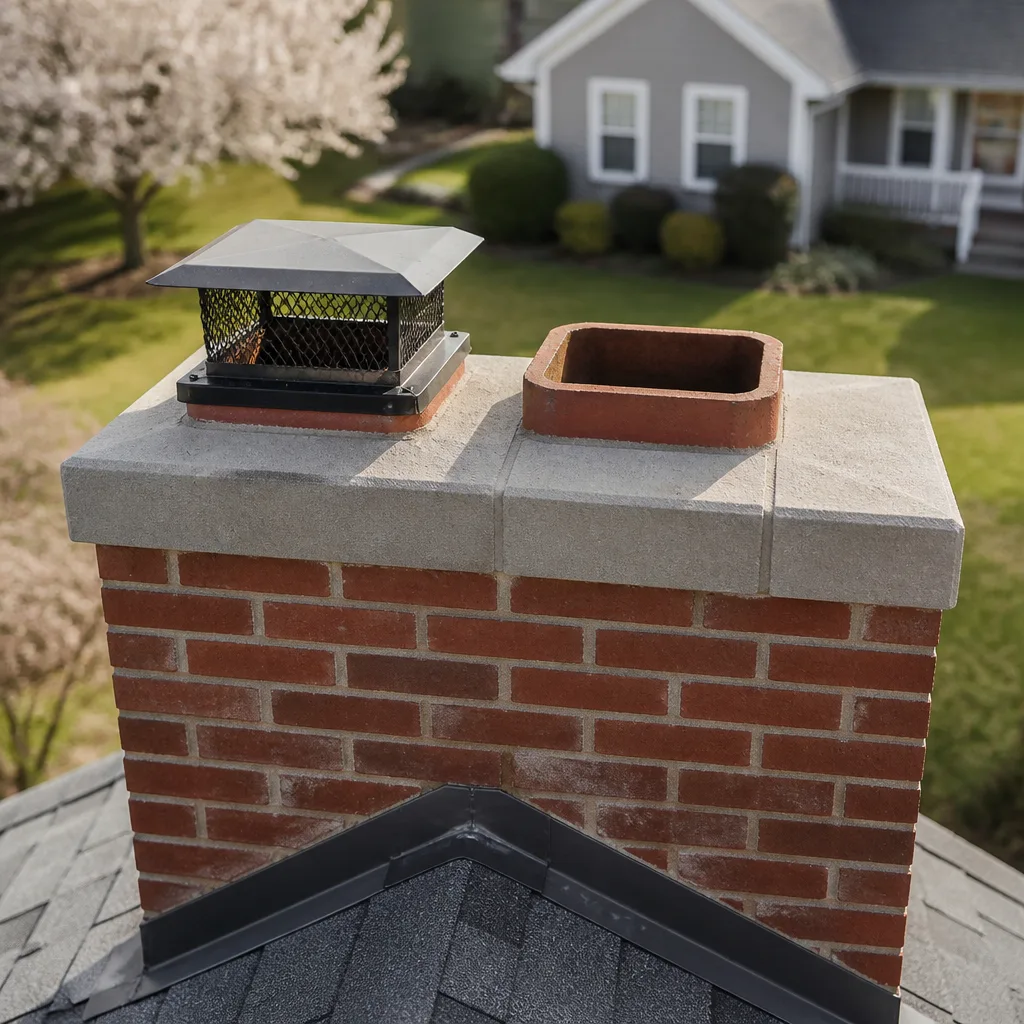 Sweep & inspection
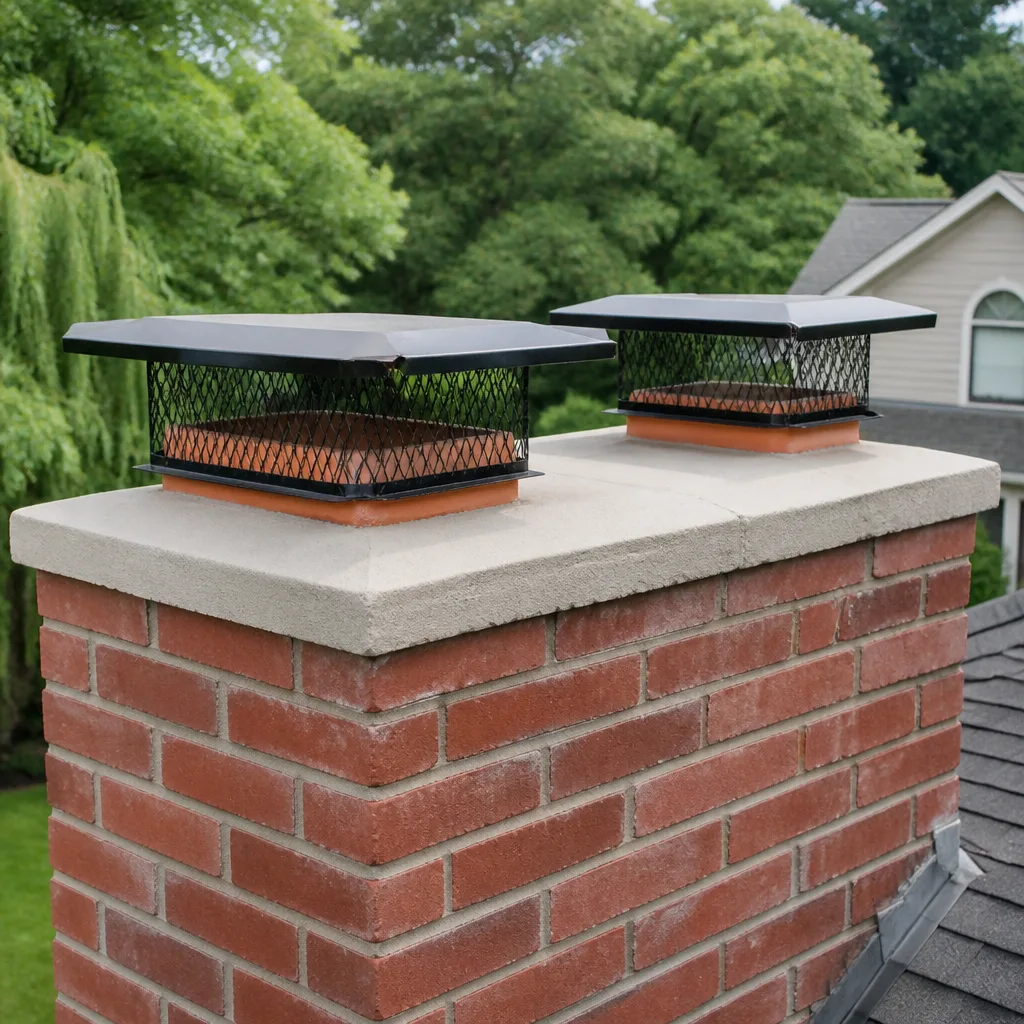 Caps & crowns
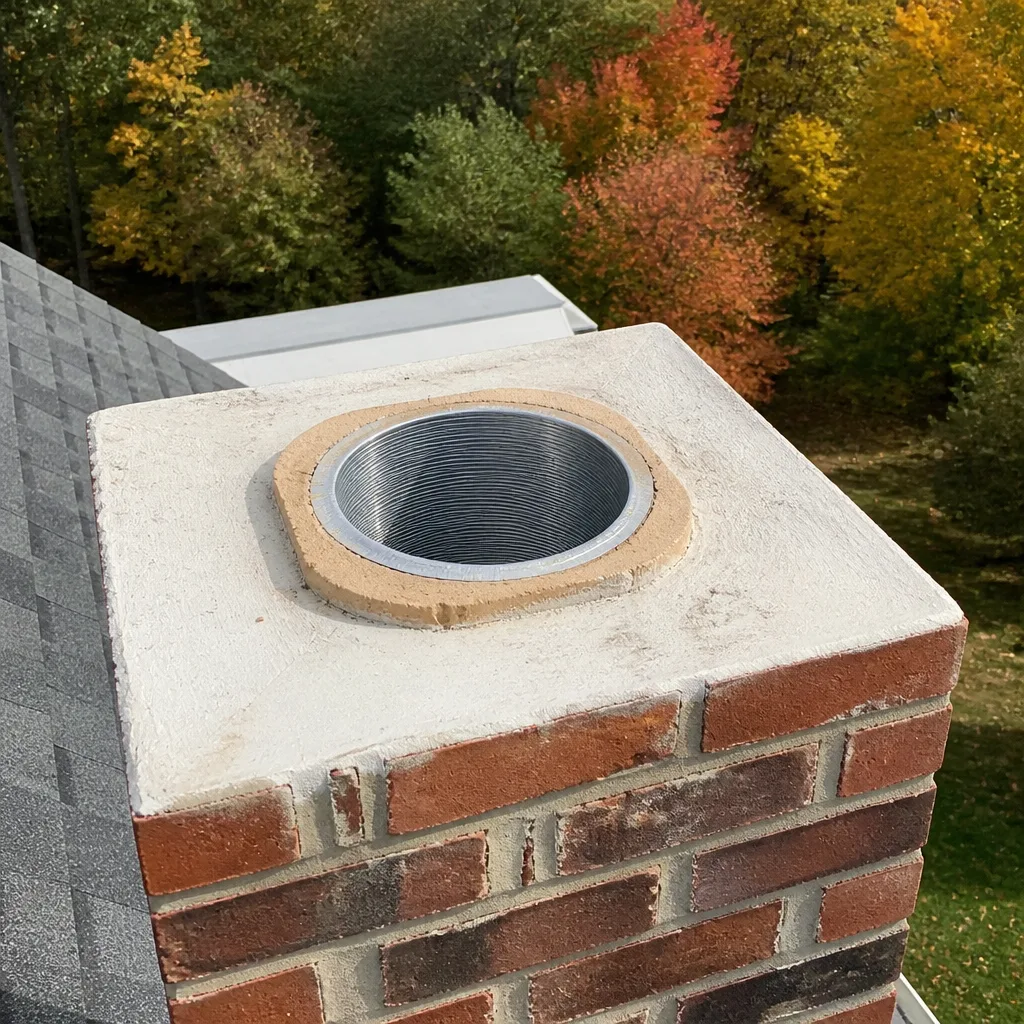 Flue relining
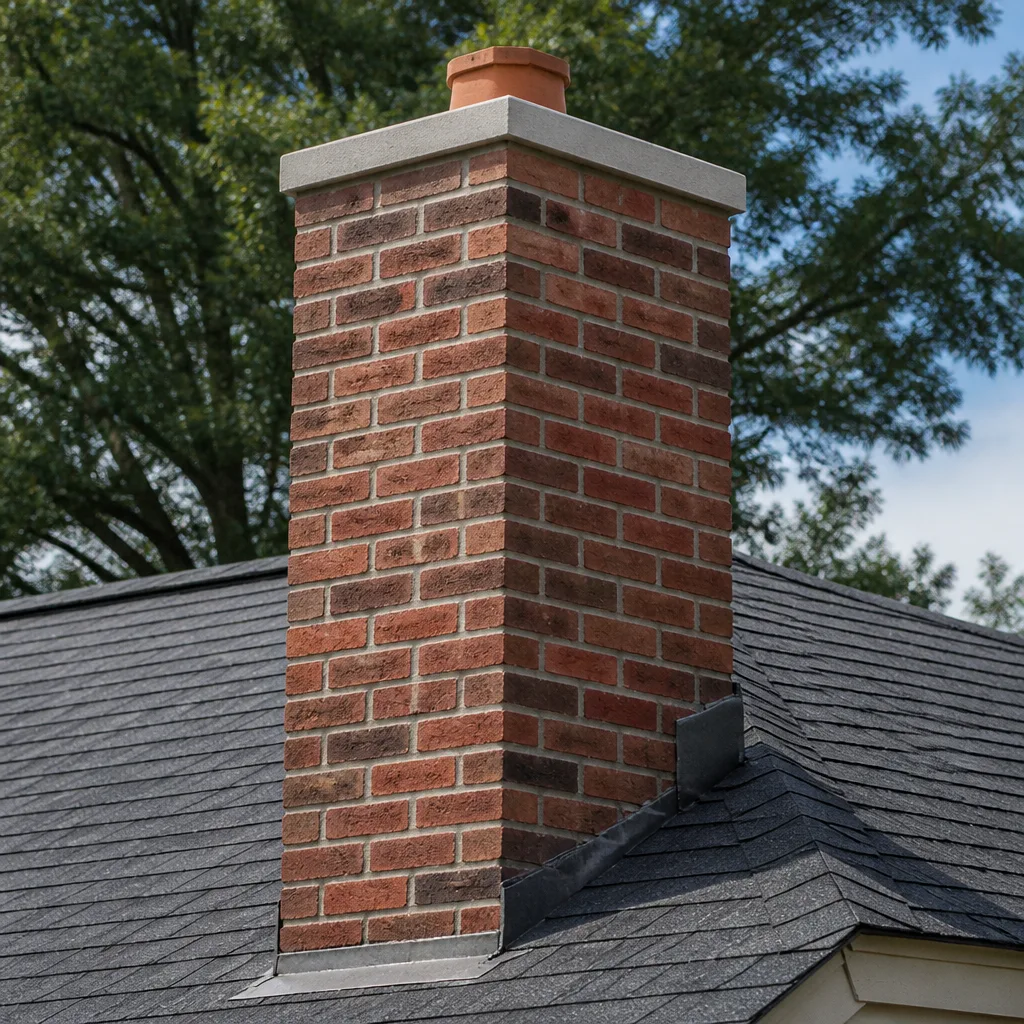 Masonry repair
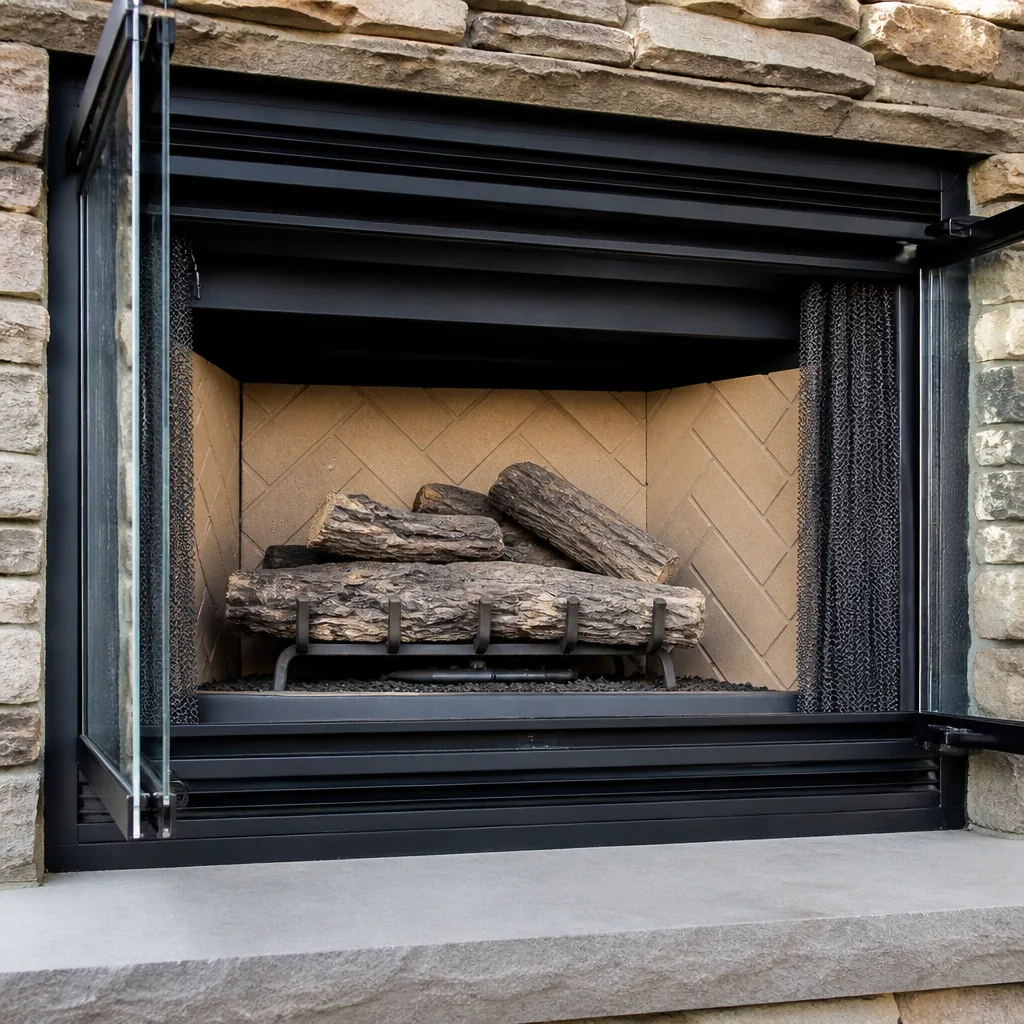 Gas fireplace service
Level 1 sweep and inspection to the NFPA 211 annual standard - flue, crown, cap, and flashing checked and photographed
Chimney sweep logs do not sweep chimneys. They loosen some creosote - which then falls where a brush and vacuum still have to collect it.
How to Hire a Chimney Cleaning Contractor in Steele Creek: A Step-by-Step Guide
There is no state license required in North Carolina to sweep a chimney. That single fact explains most of the bad chimney work happening in Steele Creek right now. Anyone can buy a brush kit online, print a business card, and charge $89 to run it up your flue. What they can’t do without real training is recognize the cracked crown, the spalling brick, or the creosote glaze that a camera and a certified eye would catch in seconds. This guide walks you through exactly how to separate a credentialed chimney specialist from a handyman with a brush, how to read an estimate so you’re comparing apples to apples, and where to check a contractor’s history before you let them on your roof.
Styles & brands we work with
- Sweep & inspection
- Caps & crowns
- Flue relining
- Masonry repair
- Gas fireplace service
Quick Answer
Hiring a chimney cleaning contractor in Steele Creek means verifying three things before you book: that the technician holds current CSIA certification you can look up yourself, that the company performs a real inspection (not just a sweep) and puts findings in writing, and that the written estimate itemizes labor, materials, and scope rather than quoting a single flat number. Ask for their certification number and check it on the Chimney Safety Institute of America’s directory. Call at least two contractors and compare line items, not totals. A quote that’s dramatically lower than the rest usually reflects omitted scope, not efficiency.
Table of Contents
- Why Steele Creek Homeowners Get Burned on Chimney Work
- What CSIA Certification Actually Means (and How to Verify It)
- The Five Questions to Ask Before You Book
- Why the Lowest Quote Usually Isn’t the Cheapest
- What a Legitimate Written Estimate Should Include
- How to Check Complaint History and Read Local Reviews
- Level 1 vs. Level 2 Inspections: What You’re Actually Buying
- Timing Your Sweep Around Steele Creek’s Burning Season
- Common Mistakes to Avoid
- When to Call a Professional
- Frequently Asked Questions
Why Steele Creek Homeowners Get Burned on Chimney Work
The barrier to entry in this trade is essentially zero, and that shapes everything about how you should hire. North Carolina doesn’t license chimney sweeps the way it licenses electricians or plumbers. There’s no state exam, no continuing education requirement, no bonding minimum tied to the work. A crew can legally operate in Steele Creek with no formal training at all. That’s not a knock on the trade. It’s a fact you have to work around when you’re the one deciding who climbs onto your roof.
What fills the gap is voluntary certification, and the one that matters most is CSIA. A certified sweep has passed a proctored exam, carries liability insurance, and commits to a code of ethics and ongoing education. That’s the difference between someone who knows how to run a brush and someone who can tell you whether the flue liner is failing. Our technicians have up to 12 years of experience, and that experience is built on the same foundation: inspect before you recommend, and only recommend what the camera and the code require.
Steele Creek adds a wrinkle that generic hiring advice misses. This is a fast-growing part of Mecklenburg County, and a lot of the housing stock is newer construction where the chimney was tucked against a side wall, capped with a builder-grade crown, and never looked at again. Homeowners here often assume a newer house means a safe chimney. It doesn’t. Factory-built fireplaces have their own maintenance intervals, and masonry chimneys built into newer homes still crack, spall, and leak at the crown. The vetting steps in this guide apply whether your chimney is two years old or forty.
One more thing worth stating plainly: the chimney isn’t just the flue. It’s the cap, the crown, the flashing, the firebox, the damper, and the masonry shell. A sweep-only company touches one part of that system. When you’re hiring, you’re choosing how much of the system gets looked at. We handle the complete chimney system, start to finish, which is why our Chimney Sweep Steele Creek service begins with diagnostics rather than a brush.
What CSIA Certification Actually Means (and How to Verify It)
CSIA certification means a technician has passed a written exam administered by the Chimney Safety Institute of America covering venting, combustion, codes, and inspection standards, and has agreed to carry insurance and follow a code of ethics. It’s not a government license. It’s a voluntary credential, and it’s the closest thing this trade has to a professional standard. When a contractor tells you they’re “certified,” CSIA is the certification that matters.
What the certification requires
- A proctored exam covering chimney and venting systems, combustion science, and NFPA 211 inspection standards
- Documented liability insurance coverage
- Adherence to the CSIA code of ethics
- Ongoing recertification through continuing education
How to verify it in about two minutes
- Ask the contractor for their CSIA certification number. A legitimate one gives it without hesitation.
- Look up the number in the CSIA’s online certified professional directory.
- Confirm the name on the directory matches the company you’re hiring, not just the individual technician.
- Ask whether the person actually coming to your home is the certified technician, or whether a helper will do the work under their name.
That last step is where a lot of Steele Creek homeowners get surprised. Some companies hold a certification and then send an uncertified subcontractor to do the sweep. Ask directly: who’s climbing on my roof, and are they certified? The answer should be immediate and specific. If it’s vague, that’s your answer.
Certification also tells you what a technician was trained to look for, which matters more than the cleaning itself. A certified sweep knows how to check for a deteriorated flue liner, a blocked or rusted damper, an improperly sized flue, and a crown that’s pulling away from the chimney shell. Those are the findings that protect your home. A brush alone finds none of them.
The Five Questions to Ask Before You Book
You don’t need a technical background to screen a chimney contractor. You need five questions and a sense of what a good answer sounds like. If any of the answers below makes you uneasy, hang up and move to the next name on your list.
1. “Are you CSIA certified, and what’s your certification number?”
A good answer: they give you the number without pausing and tell you to look it up. A bad answer: “We’re fully licensed and insured” with no mention of CSIA. North Carolina doesn’t license this trade, so “licensed” means nothing on its own.
2. “What level of inspection is included in the sweep?”
A good answer: a Level 1 inspection is standard with a routine sweep, and they’ll recommend a Level 2 if there’s a change in the system or a problem to chase. A bad answer: “We just clean it” or “an inspection costs extra” with no explanation of what’s being checked.
3. “What happens if you find a cracked crown or a failing liner?”
A good answer: they show you the photo or video, explain what it means, and put the recommended repair in a written estimate. A bad answer: pressure to approve thousands of dollars of liner work on the spot, with no image evidence you can review.
4. “Will you give me a written estimate before any work starts?”
A good answer: yes, itemized, with materials and labor broken out. A bad answer: a verbal price that changes once the technician is on the roof.
5. “Are you insured, and can you send proof?”
A good answer: yes, and they’ll email a certificate of insurance. A bad answer: any deflection. If a technician is injured on your roof, insurance is the difference between a routine incident and a claim against your homeowners policy.
Ask these before you book, not after. The answers are free, and they’ll tell you more than any review you’ll read online. If you’ve gone through all five and want to move straight to a quote from a company that already clears all five, call us and we’ll walk you through our process.
Why the Lowest Quote Usually Isn’t the Cheapest
The lowest quote on a chimney job almost always reflects a smaller scope, not a better deal. That’s the single most useful thing to understand when you compare bids in Steele Creek. One contractor quotes $89 for a sweep. Another quotes $229 for a sweep and inspection. They’re not competing on price. They’re selling different things, and the $89 version doesn’t tell you anything about the condition of your chimney.
Here’s how the scopes differ in practice:
- Sweep only. Brush and vacuum the flue. No inspection report, no camera, no findings. Fine if you have a documented history of annual inspections and know the system is sound, but a dangerous default for a first-time visit.
- Sweep plus Level 1 inspection. Cleaning plus a visual check of the readily accessible portions of the system: firebox, damper, flue, cap, and the visible exterior. Findings noted in writing. This is the baseline every new customer should expect.
- Sweep plus Level 2 inspection. Adds a camera scan of the flue interior and closer access to concealed areas. Recommended when there’s been a change in the system, a chimney fire, a new appliance, or an unresolved problem.
When two quotes differ by a wide margin, ask both contractors for a line-by-line description of what’s included. You’ll usually find the gap isn’t the sweep, it’s the inspection that one quote doesn’t include. Apples-to-apples comparison means matching scope, not matching totals.
There’s a second reason the cheap quote tends to cost more over time. A sweep that doesn’t include inspection can’t catch the problems that lead to bigger repairs. A hairline crack in the flue liner, a crown that’s separated from the shell, a cap that’s gone missing and let water in for a season. Left alone, these turn into structural repair work. Caught early, some are a modest fix. Others can safely wait, and we say so when that’s the case. That’s why we inspect before we recommend, and why the camera evidence we show you is the same evidence we base the estimate on.
That’s also why the product we install matters as much as the labor. We work with a curated set of professional-grade chimney brands, so a repair on your Steele Creek chimney isn’t a one-off improvisation. A reline uses DuraFlex, the flexible liner system the trade relies on for aging or damaged flues. Flue restoration uses HeatShield, a ceramic resurfacing system engineered specifically for chimney interiors. A missing cap gets replaced with a Gelco or Famco unit that actually keeps water and wildlife out. Those choices are what “built to last, not patched to pass” means on a quote.
What a Legitimate Written Estimate Should Include
A legitimate chimney estimate is a document, not a number. It should tell you exactly what work is being done, with what materials, and for what price, before any technician picks up a tool. Here’s what to look for.
What a real estimate includes
- Your name and address, and the date of the estimate. A generic quote with no property reference is a red flag.
- Scope of work in plain language. “Sweep flue and perform Level 1 inspection” or “Replace chimney cap, seal crown.” Not “chimney service.”
- Materials specified by brand or grade. A liner estimate should name the liner system. A crown estimate should specify the material.
- Labor and materials broken out, or at minimum a total that clearly reflects both.
- The inspection findings that justify any repair recommendation, ideally attached as photos or a camera report.
- Payment terms and a signature line. The price on the signed estimate is the price. Nothing should be added verbally once work begins.
Red flags on paper
- Handwritten numbers with no company letterhead or contact information
- A single flat price with no scope description
- Repair recommendations with no accompanying photo or video evidence
- A quote for a full reline presented the same day as a first-time sweep, with no separate inspection report to justify it
- Any pressure to sign on the spot, or a claim that the price is only good today
The right response to any of those is to walk away. A real estimate takes time because the contractor has to look at the chimney, document findings, and price the work accurately. If a number arrives faster than the inspection did, it isn’t an estimate. It’s a guess.
How to Check Complaint History and Read Local Reviews
Two sources tell you more about a chimney contractor than any marketing page: the Better Business Bureau and Google reviews read carefully. Both are public, both are free, and both take about ten minutes total.
The NC Better Business Bureau
Search the company name on the BBB’s site and filter for North Carolina. You’re looking at three things: the complaint history over the past few years, the nature of those complaints, and how the company responded. A company with a couple of resolved complaints isn’t condemned. A company with a pattern of unresolved complaints about billing or work quality is a different story. Pay attention to how recent the complaints are and whether they’ve been addressed.
Reading Google reviews the way an investigator does
- Sort by newest first, not “most relevant.” The most recent reviews reflect the company you’re hiring today.
- Read the one-star and two-star reviews in full. A single complaint about scheduling is noise. A pattern of complaints about surprise charges, missed callbacks, or a repair that didn’t hold is signal.
- Look for specifics. Reviews that name the problem found, the inspection level, or the repair performed tell you more than “great service, highly recommend.”
- Check for photo evidence in reviews. Customers who post before-and-after photos of work are harder to fake than text-only praise.
- Watch for review patterns. Twenty glowing reviews posted within two weeks of each other is a marketing campaign, not a track record.
The BBB and review research won’t tell you whether a technician is CSIA certified, and it won’t tell you how they price a reline. Those questions still need to be answered directly on the phone. But it will tell you how a company behaves when a job goes sideways, and that’s worth knowing before you book.
Level 1 vs. Level 2 Inspections: What You’re Actually Buying
A chimney inspection isn’t one thing. The National Fire Protection Association defines three inspection levels, and knowing which one you’re buying is the difference between a clean chimney and a safe one. Most routine sweeps in Steele Creek include a Level 1. A Level 2 is a different, more thorough service that some contractors treat as an upsell and others offer as a legitimate standalone.
Level 1 inspection
A visual check of all readily accessible portions of the chimney and venting system, performed without tools that could damage the system. Covers the firebox, damper, visible flue, and the accessible exterior including cap and crown. Standard with an annual sweep when there’s no known problem and no change in the system.
Level 2 inspection
Adds a camera scan of the flue interior and closer access to concealed areas, typically through a chimney camera fed from the top down or the firebox up. Recommended when there’s been a chimney fire, when a new appliance has been connected, when the property changes hands, or when a problem has been identified that needs visual confirmation. This is the inspection that catches a failing flue liner that a Level 1 can’t see.
Level 3 inspection
Reserved for situations where a Level 1 or Level 2 has identified a problem that requires access to concealed parts of the chimney, sometimes including the removal of masonry. Rare. When it’s needed, it should be explained specifically, not offered as a general recommendation.
When we perform a Level 1 or Level 2 inspection, we include the camera findings and a photo report with the estimate. You see what we saw. If the report says the liner needs work, you’re not taking our word for it. If it says the chimney is in good shape and can wait until next season, that’s also in writing. The inspection is the point, not a step we push past on the way to a sale.
Timing Your Sweep Around Steele Creek’s Burning Season
The best time to book a chimney sweep in Steele Creek is before the first cold snap, not after. Late summer and early fall fill up first because that’s when homeowners remember the fireplace. Booking in that window means you’re not waiting for an appointment when the first cold front arrives and you actually want a fire.
Steele Creek’s climate is a factor here. Winters are mild enough that a lot of homeowners don’t run the fireplace constantly, which changes how creosote accumulates. A fireplace used a few nights a week over three months builds creosote differently than one used every night. Light use doesn’t mean no maintenance. It means the sweep is checking for glazed creosote and the condition of the flue rather than clearing a heavy load of soot.
Gas fireplaces change the schedule too. A gas log set doesn’t produce the creosote a wood fire does, but it still needs an annual check on the venting, the damper, and the pilot assembly. Some Steele Creek homes have converted from wood to gas and never had the system re-inspected afterward. A gas appliance installed on a chimney that was originally venting wood needs a Level 2 inspection to confirm the venting is appropriate. That’s a case where the sweep is secondary and the inspection is the point.
Annual sweeps are the standard recommendation for wood-burning fireplaces, and the honest answer is that usage drives frequency. A house that burns wood a few times a week over a season stays on an annual schedule. A house burning daily through the winter may want a mid-season check. Ask about your specific usage pattern when you call, rather than defaulting to whatever interval the contractor suggests first.
Common Mistakes to Avoid
- Hiring on price alone. A quote that’s half of everyone else’s is usually missing the inspection, the insurance, or both. Ask what’s included before you compare totals.
- Believing “licensed” means something in North Carolina. This trade isn’t state-licensed, so the word is meaningless unless it’s paired with a specific voluntary credential like CSIA. Ask for the certification number.
- Skipping the BBB and review check because the website looked professional. A polished site costs a few hundred dollars. A pattern of complaint history doesn’t show up on the marketing page, and Steele Creek homeowners who skip the check often find out the hard way.
- Approving a reline on the spot, with no photo evidence. Nothing should be recommended without camera evidence you can see. If a technician can’t show you the flue interior, you aren’t getting a recommendation, you’re getting a pitch.
- Assuming a newer Steele Creek home has a safe chimney. Factory-built and builder-grade masonry chimneys in newer construction still need inspection. Age isn’t a substitute for looking.
- Booking a sweep for a system with known problems. If there’s been a chimney fire, a new appliance, or a change to the system, you’re buying an inspection, not a sweep. Booking a sweep and discovering the problem afterward wastes a visit.
- Ignoring the cap and crown until water damage shows up inside. A missing cap lets water, squirrels, and birds into the flue. A cracked crown lets moisture into the masonry shell. Both are cheap to fix early and expensive to fix late. Our chimney cap & crown service exists because it’s the part of the system most-ignored and most responsible for long-term structural damage.
The pattern behind every one of those mistakes is the same: comparing quotes without understanding what’s being quoted, and trusting a credential without verifying it. The ten minutes of work it takes to check certification and complaint history beats the weeks it takes to sort out a bad repair.
When to Call a Professional
Some chimney conditions need an immediate call; others can wait until the next scheduled sweep. Call a professional now if you’ve had a chimney fire, even a small one you think extinguished itself. A chimney fire can crack a flue liner in a way that’s invisible from the firebox, and a Level 2 camera inspection is the only way to know. Call if you smell smoke in the house when the fireplace isn’t in use, if the damper won’t open or close smoothly, if you see cracked or crumbling masonry on the exterior, or if the cap has come loose or gone missing. Call if you’ve switched from wood to gas without a re-inspection, or if the fireplace has gone a full season without a sweep and you’re seeing dark, crusted creosote at the flue opening.
If none of those apply and the fireplace is in regular use, the annual sweep and inspection is the routine visit. Chimney Sweep Steele Creek offers free estimates in Steele Creek. Call (888) 848-8714 and we’ll talk through what your chimney needs and whether a repair can safely wait. We answer 24/7. Fast dispatch from 7am to 7pm, Sunday through Friday.
If the inspection turns up a repair that’s within our scope, we handle it. That includes fireplace repair for the firebox and damper, and structural work that uses HeatShield for flue restoration, DuraFlex for relining, and Gelco or Famco caps to close the system back up. One call covers everything your chimney needs, and the estimate is written before any work begins.
Frequently Asked Questions
A routine chimney sweep in Steele Creek typically costs between $125 and $250 for a standard single-flue fireplace, and a sweep bundled with a Level 1 inspection usually lands between $175 and $300. A Level 2 inspection with camera scanning runs higher, typically $250 to $450 depending on access and the complexity of the flue. These are typical ranges, not a quote: your written estimate sets the final price. Call (888) 848-8714 for an exact quote. Estimates are free.
You need a new liner if the camera shows a cracked, deteriorated, or improperly sized flue, and not before. A liner is a structural component, not a maintenance item. What matters is seeing the evidence: ask the technician to show you the camera footage before you approve anything. If the flue is intact and correctly sized for the appliance, a liner isn’t necessary, and any contractor who recommends one without photo evidence is skipping a step. Our estimates always include the inspection findings. Call (888) 848-8714 for a free estimate.
An annual sweep is the standard recommendation for a wood-burning fireplace in regular use. Usage drives the interval: a house burning wood more than a few nights a week through the winter may want a mid-season check as well. Gas fireplaces still need an annual venting and damper check even though they don’t produce creosote the way wood does. Call (888) 848-8714 to talk through your usage and book a sweep. Estimates are free.
Skipping a sweep lets creosote accumulate in the flue, and glazed creosote is the fuel that feeds a chimney fire. It also means nobody is looking at the liner, crown, or cap, so small problems stay hidden until they show up as water damage or a structural repair. Carbon monoxide risk belongs to blocked or cracked flues, which an inspection catches before it becomes a health hazard. None of that happens automatically the moment you miss a season, but the risk grows with every skipped visit. Call (888) 848-8714 for a free estimate and we’ll tell you what your chimney actually needs.
No. North Carolina does not license chimney sweeps, which is exactly why the CSIA certification matters here. It’s voluntary, and it’s the standard that carries real weight: a proctored exam, documented insurance, a code of ethics, and ongoing recertification. Ask any contractor for their CSIA certification number and check it in the CSIA’s online directory before you book. Our technicians have up to 12 years of experience, and we’re happy to walk you through our credentials when you call (888) 848-8714.
Yes, in most cases. A sweep, an inspection, a crown repair, and a cap installation can usually be handled in a single visit or a scheduled follow-up, because we cover the complete chimney system rather than sweeping only. That’s the convenience of a single-source specialist: no handoff to a second contractor for the cap and no separate call for the crown. If the crown repair is more extensive than it first appears, we’ll say so and put it in the written estimate. Call (888) 848-8714 for a free estimate. We answer 24/7. Fast dispatch from 7am to 7pm, Sunday through Friday.
The Bottom Line
Hiring a chimney contractor in Steele Creek comes down to verification, not trust. Ask for the CSIA certification number and look it up. Ask who’s actually doing the work and whether they’re certified. Demand a written, itemized estimate and refuse to approve any repair without camera evidence you can see. Compare quotes by scope, not by total, and read the BBB complaint history and the newest reviews before you book. Expect an annual sweep and inspection if you burn wood regularly, and treat a change in the system, whether a new appliance or a past chimney fire, as a reason to upgrade to a Level 2. The contractor who passes all of that is the one to call.
We’re a call away. If you want to skip the screening process and start with a team that already clears every step in this guide, call Chimney Sweep Steele Creek at (888) 848-8714. We answer 24/7. Fast dispatch from 7am to 7pm, Sunday through Friday. Free estimates, and you’ll see the inspection findings in writing before anything gets recommended.
Written by the team at Chimney Sweep Steele Creek.
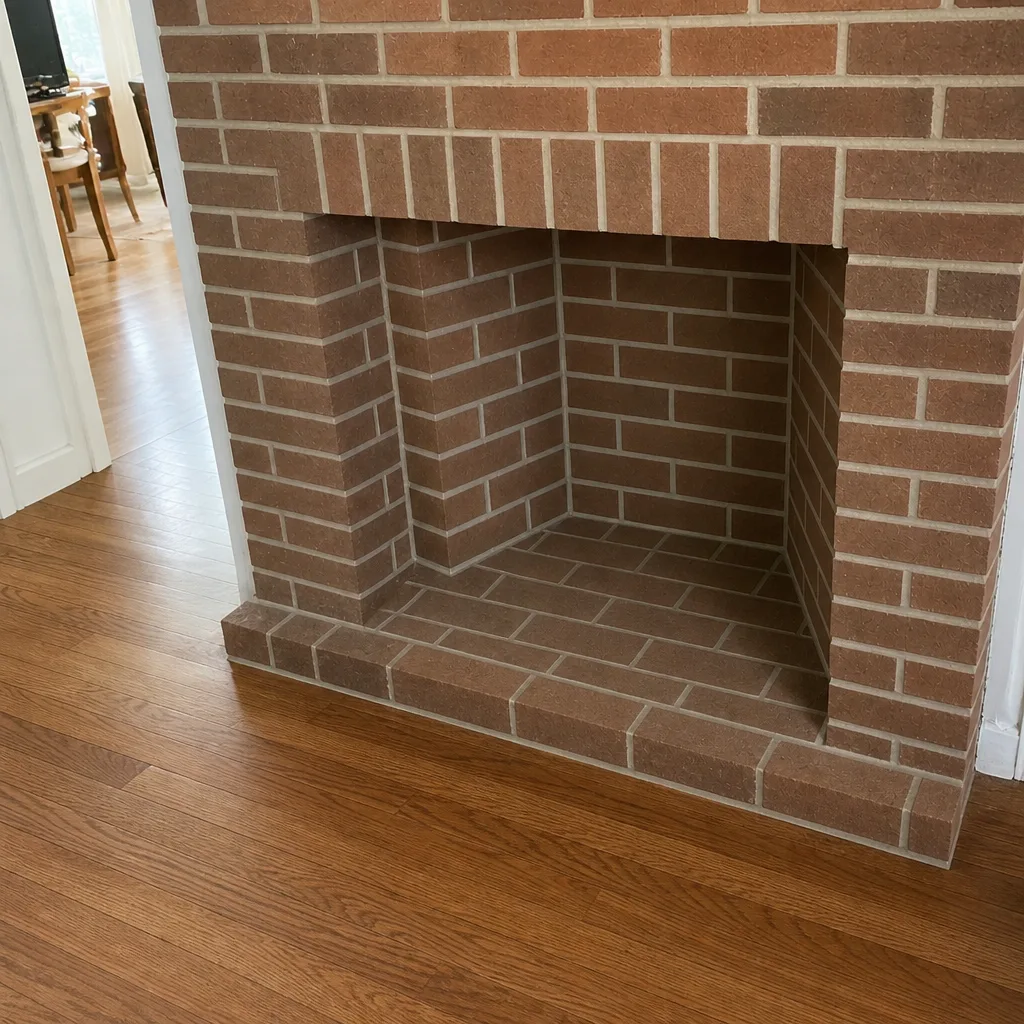
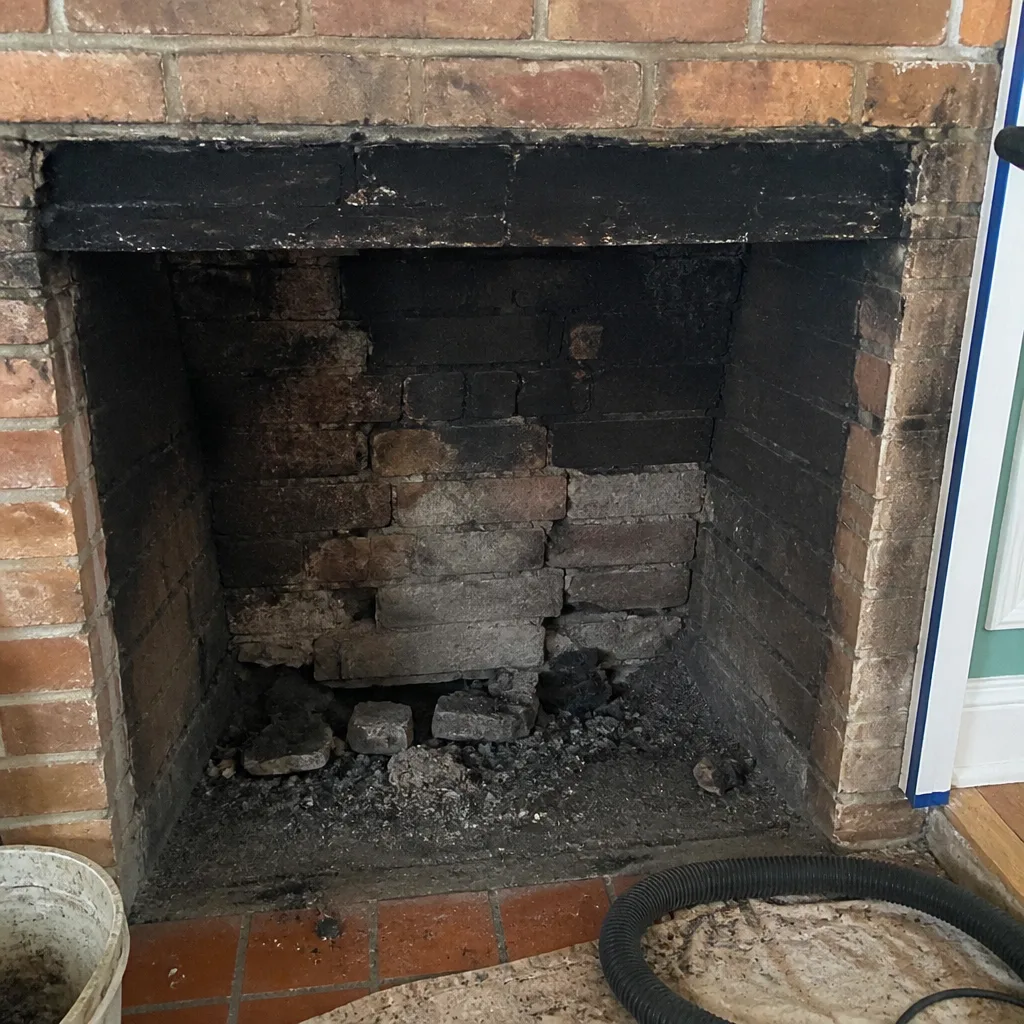
See the difference
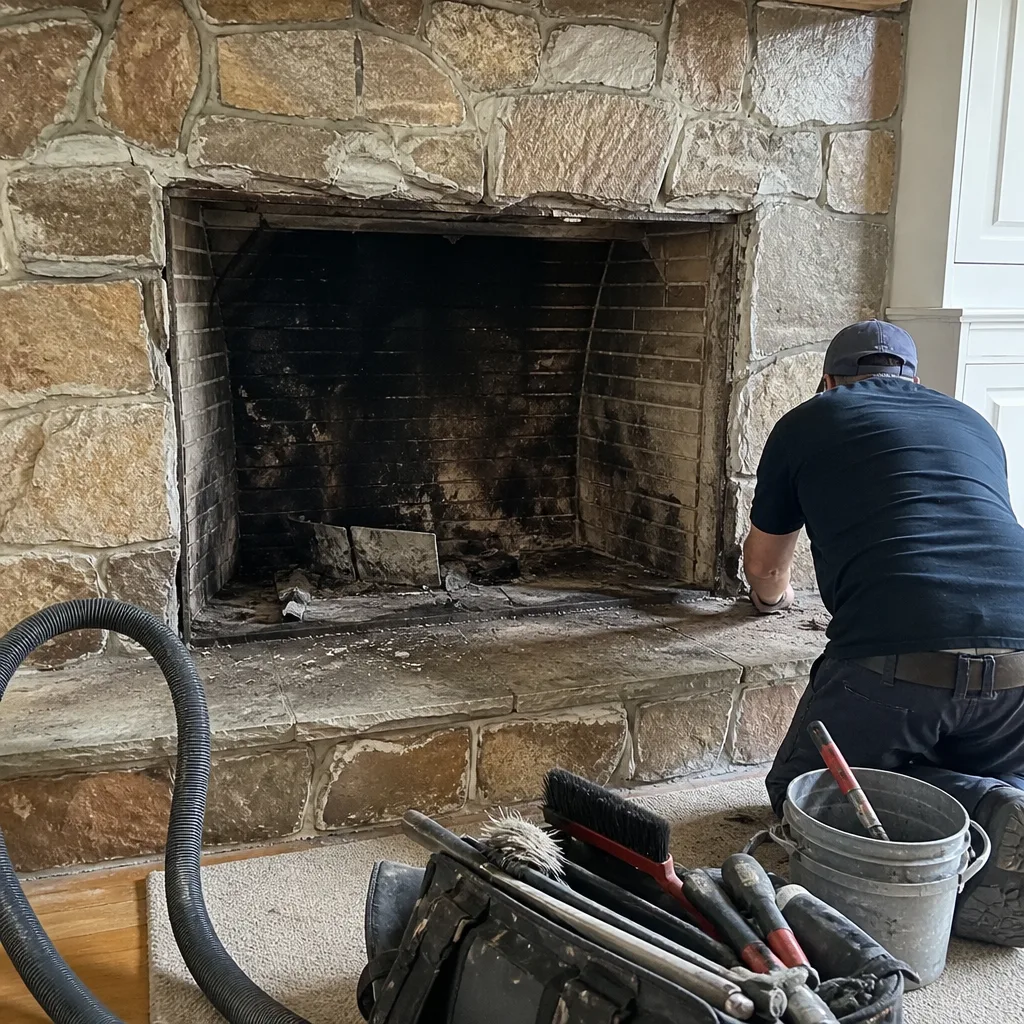 Before
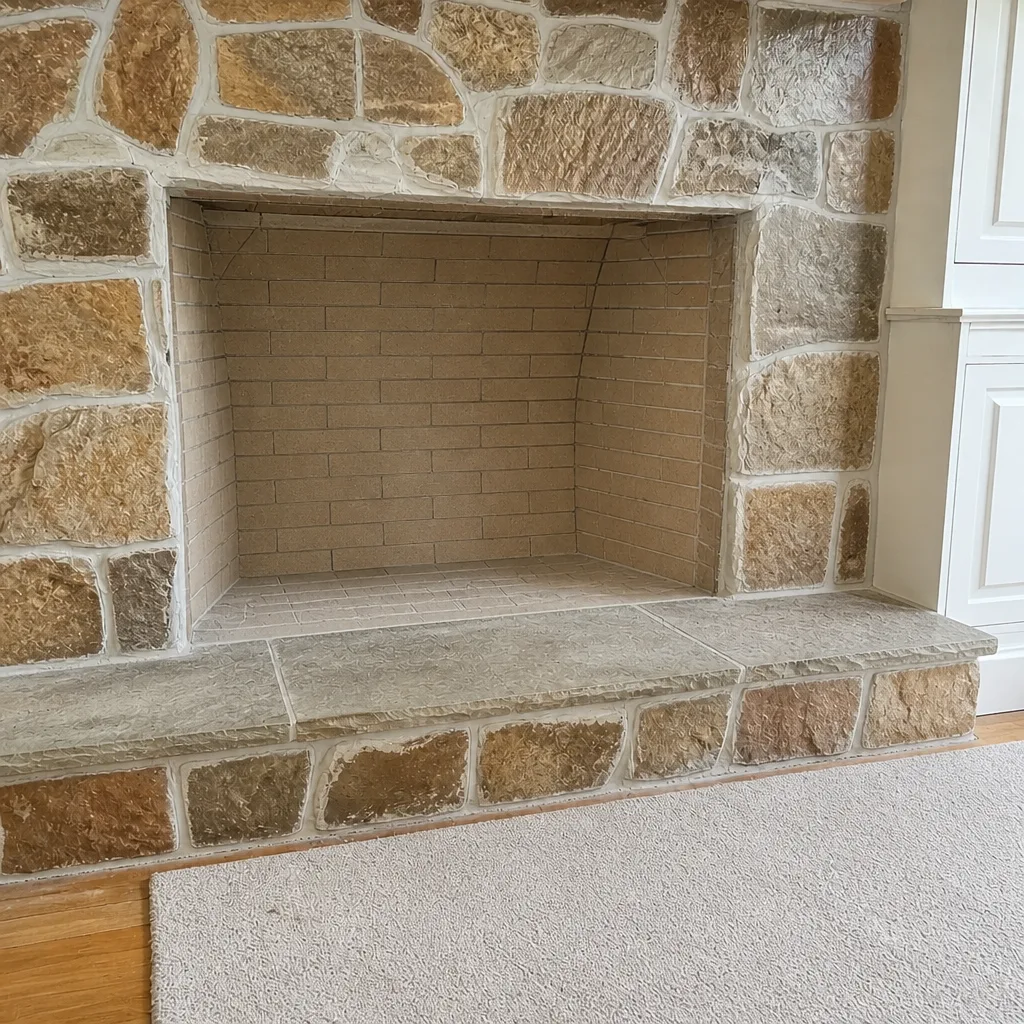 After
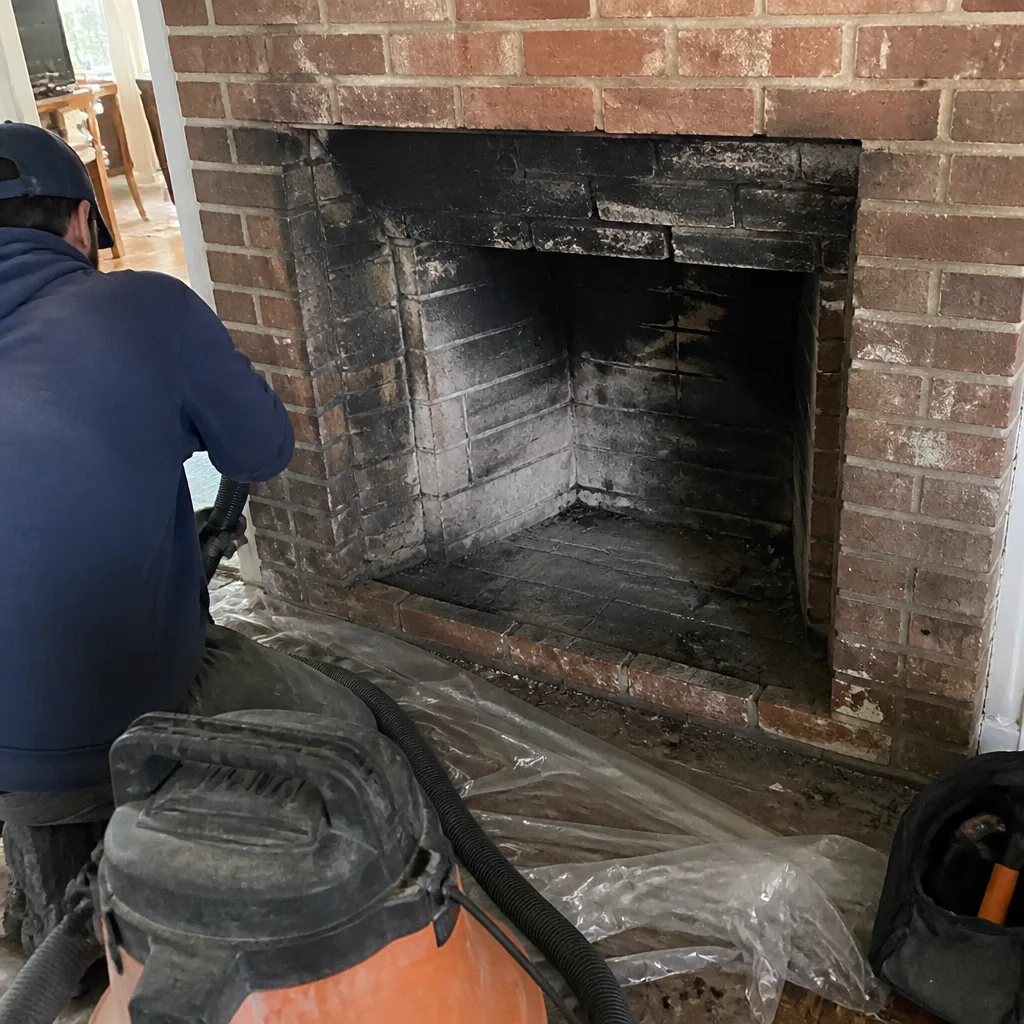 Before
 After
 Before
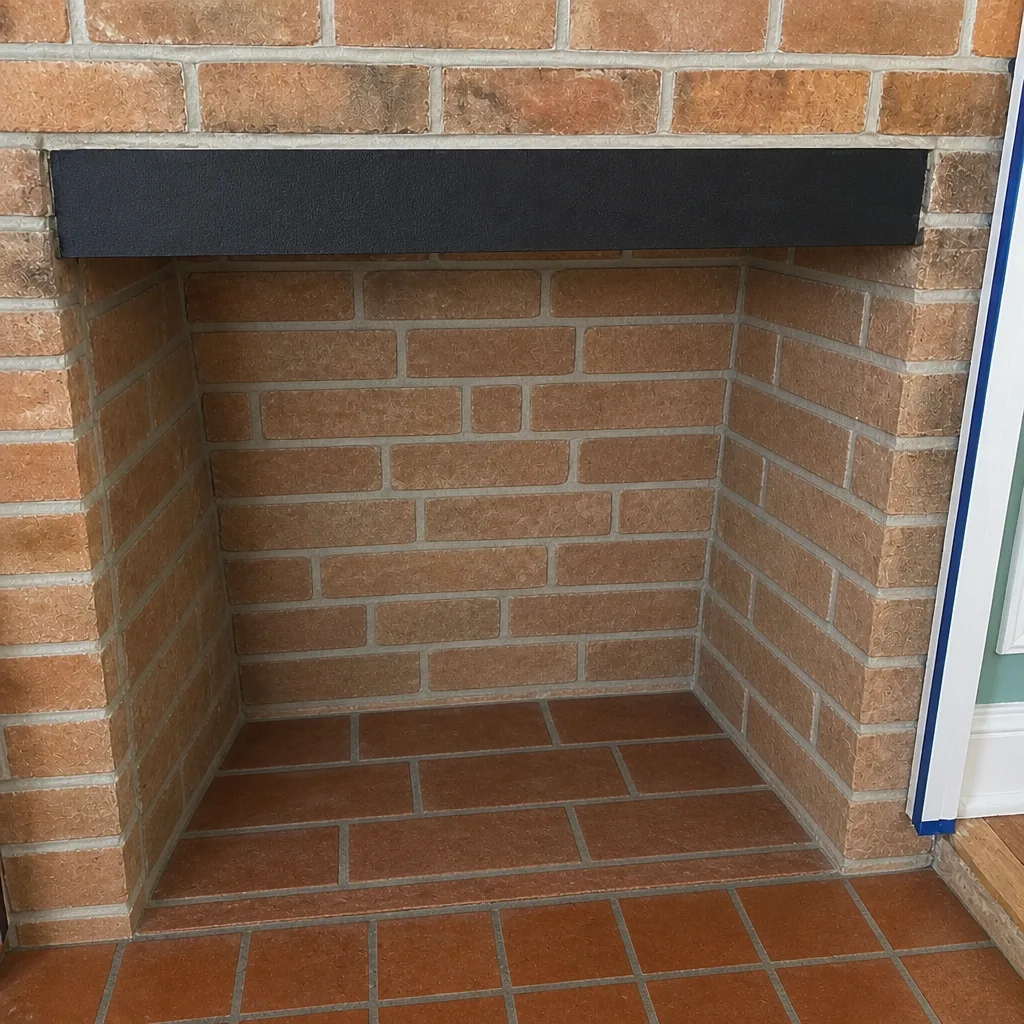 After