
Last updated November 22, 2026
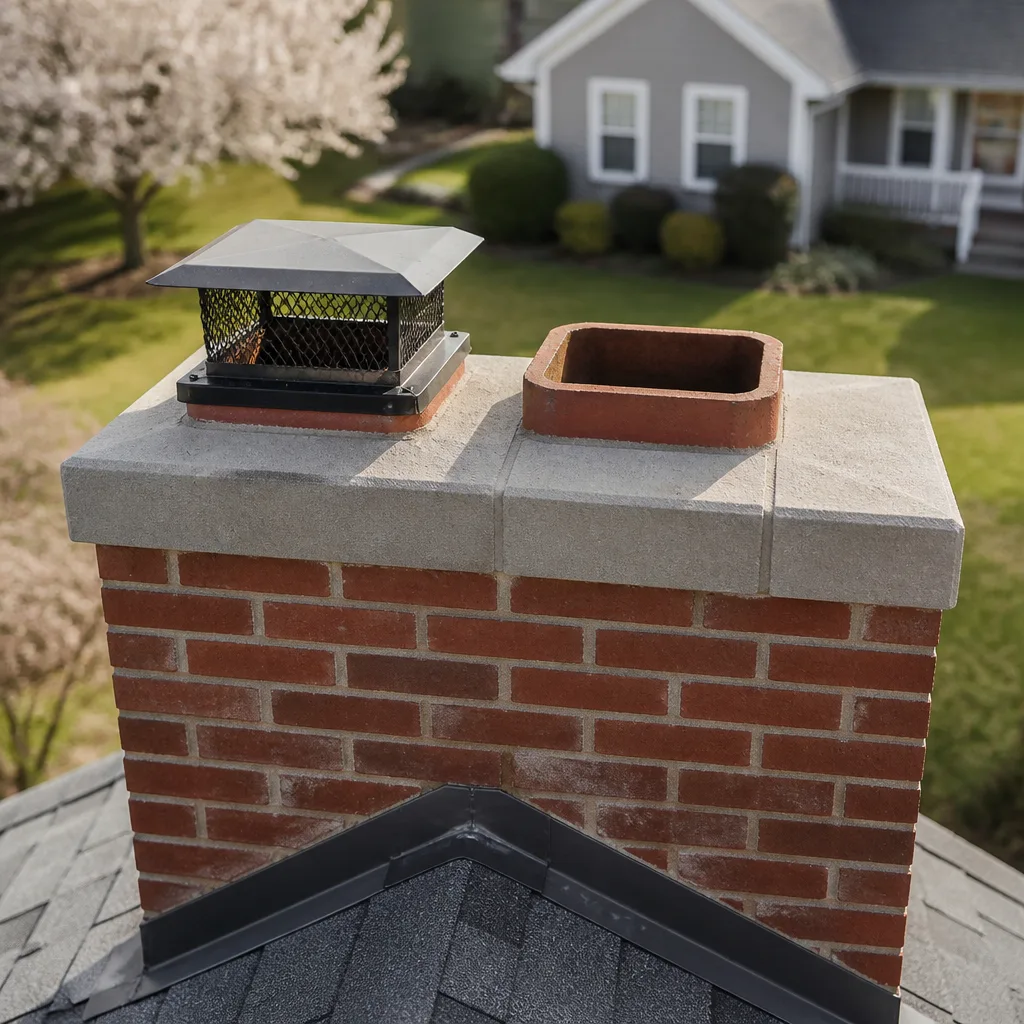 Sweep & inspection
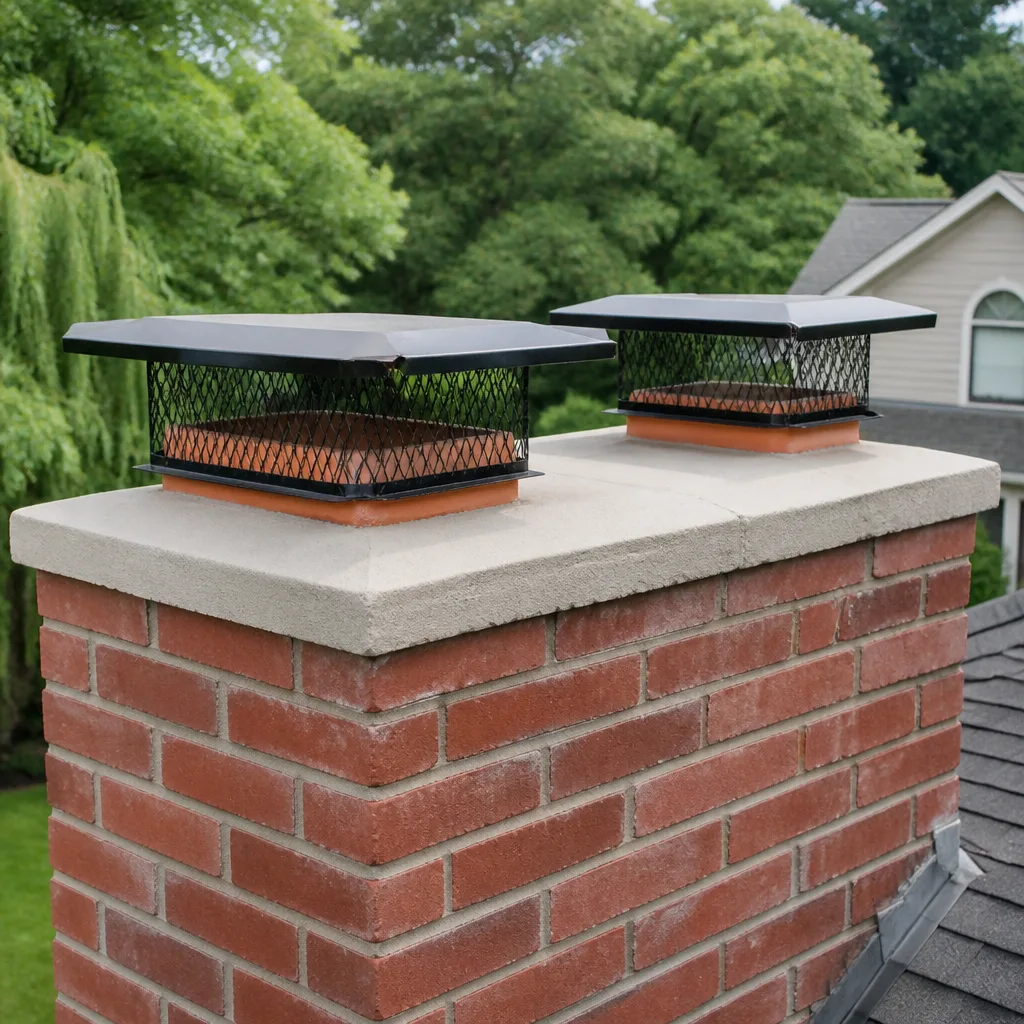 Caps & crowns
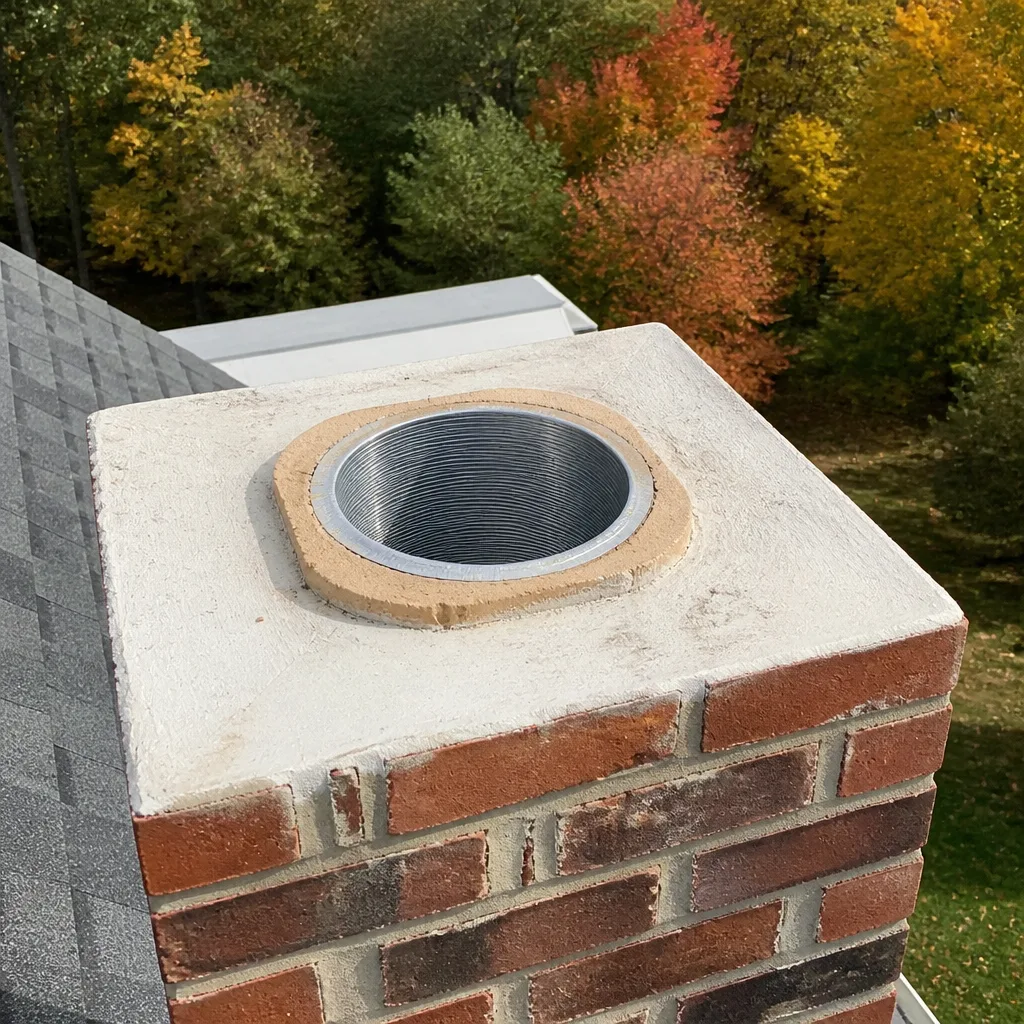 Flue relining
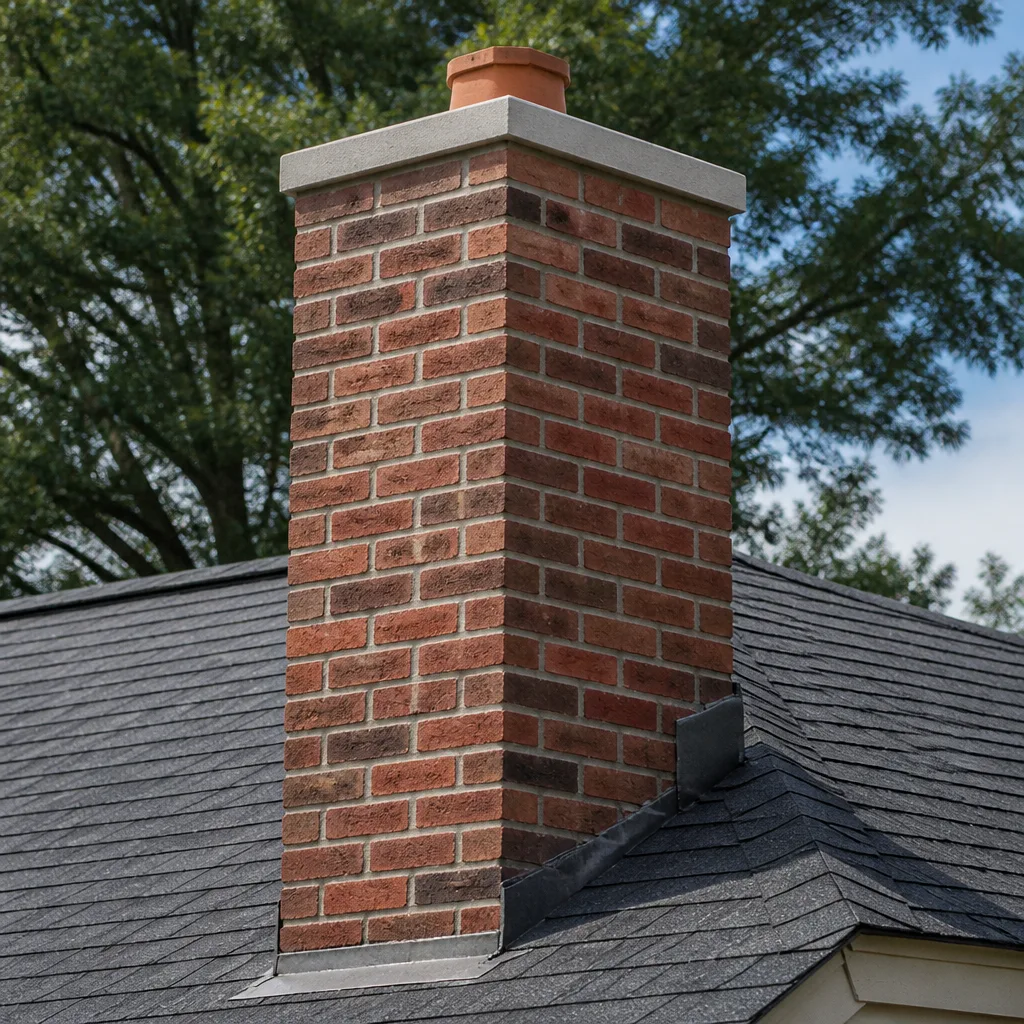 Masonry repair
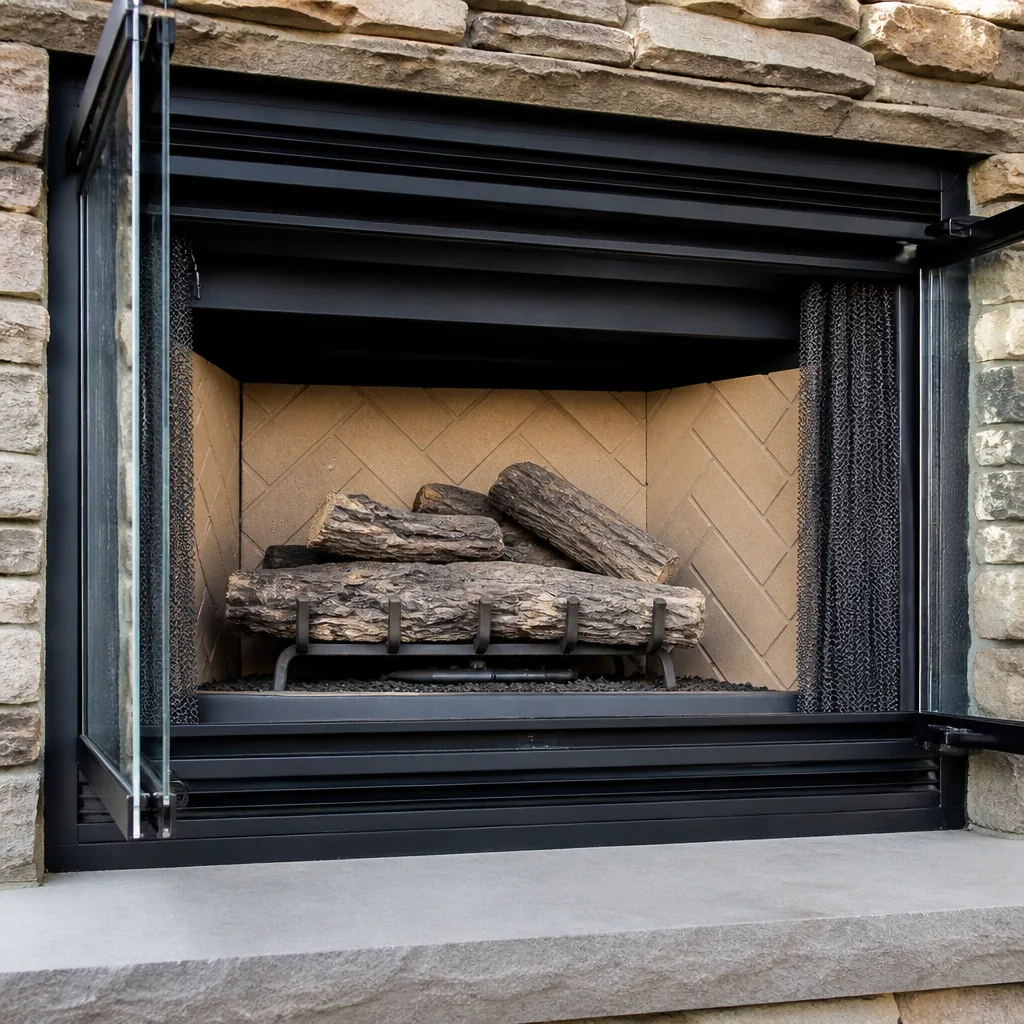 Gas fireplace service
Level 1 sweep and inspection to the NFPA 211 annual standard - flue, crown, cap, and flashing checked and photographed
Chimney sweep logs do not sweep chimneys. They loosen some creosote - which then falls where a brush and vacuum still have to collect it.
Seasonal Chimney Cleaning Care for Steele Creek: Year-Round Homeowner’s Guide
Most homeowners treat a chimney sweep like a fire extinguisher: they think about it the week they need it. That timing is backwards. In Steele Creek, the call that matters most happens in spring, not October. Winter is hard on masonry and flue liners, and the damage it leaves behind gets worse through summer humidity long before anyone builds a fire. What follows is a month-by-month map of chimney care tuned to this region’s weather, built so you’re never scrambling for an appointment the week temperatures drop. You’ll get the sweep windows, the inspection types, the moisture clues to watch, and the burn habits that slow creosote buildup between visits.
Quick Answer
Sweep your chimney annually if you burn wood regularly, and schedule that sweep in August or September so you’re ahead of the fall rush. Get a Level 2 inspection in spring after the burning season to catch moisture and storm damage while there’s time to repair it. Add a mid-winter flue check if you burn steadily through the cold months. Cap and crown upkeep belongs in summer, when storms do the most damage to masonry.
Styles & brands we work with
- Sweep & inspection
- Caps & crowns
- Flue relining
- Masonry repair
- Gas fireplace service
Table of Contents
- Why a Seasonal Model Beats an Annual Reminder
- Spring: The Inspection That Matters More Than Pre-Season
- Summer: Humidity, Storms, and What a Failed Cap Looks Like
- Fall: The Optimal Sweep Window and Why October Costs You
- Winter: Mid-Season Checks for Active Wood Burners
- Building Your 12-Month Chimney Care Calendar
- Creosote, in Plain Terms
- Level 1, Level 2, and When You Need Each
Why a Seasonal Model Beats an Annual Reminder
An annual reminder treats every month the same. Steele Creek’s weather doesn’t. A humid summer and a wet, freeze-thaw winter stress a chimney in completely different ways, and each one creates its own failure window. A chimney that survives a cold snap intact can still take on water all spring and start spalling by July.
Seasonal care works because it puts the right task against the right threat. In our experience, the homeowners who avoid expensive repairs aren’t the ones who do more work. They’re the ones who inspect at the right time and catch small problems before the weather has a season to make them bigger.
The term “chimney cleaning” describes only part of what keeps a chimney safe. Cleaning removes what burning leaves behind. Inspection finds what weather leaves behind. Those are different jobs on different schedules, and a year-round plan runs both.
- Spring is for inspection and moisture detection, right after the burning season ends.
- Summer is for cap, crown, and masonry work, before the heaviest humidity and storm load.
- Fall is for sweeping, ideally in August or September, ahead of the backlog.
- Winter is for monitoring, keeping an eye on creosote and burn habits while you actively burn.
The full chimney system, start to finish, is what a proper plan covers: the flue, the firebox, the cap, the crown, and the masonry shell. That’s the same scope we work with as a dedicated chimney company, using professional-grade materials from lines we’re authorized to work with.
Spring: The Inspection That Matters More Than Pre-Season
Spring inspection matters more than a pre-season check because winter is when hidden damage happens, and spring is when you can actually see it. Freeze-thaw cycles open hairline cracks in the crown and masonry. Moisture gets in, and by the time you light a fall fire, that moisture has been working on the mortar for months. A pre-season inspection in October finds the damage after it’s had time to spread. A spring inspection catches it early.
After winter, look for four things. You can do a visual pass yourself before anyone is on the roof.
- Crown cracks. The crown is the concrete cap at the top of the chimney that sheds water. Even small cracks let water in.
- Rust or staining at the firebox or damper. This can mean water is getting down the flue.
- Spalling brick or crumbling mortar. Chipped faces and powdery mortar joints are water damage that has already started.
- Water in the firebox after rain. That points to a failed cap or crown, or a missing rain cover.
Spring is also the right time to look at interior water damage if you’ve had a wet winter. Water stains near the chimney chase, a musty smell, or a damp flue are worth checking. In our experience, spring is when these show up most clearly because the wood-burning season is over and nothing is hiding the signs behind an active fire.
Spring is also when a chimney sweep pairs naturally with a spring inspection. Pulling the soot and creosote off the flue walls lets the inspector see the liner and masonry clearly. Cleaning first, then inspecting, is the order that produces the most useful report.
Summer: Humidity, Storms, and What a Failed Cap Looks Like
Steele Creek’s summer humidity is the quiet threat to a chimney. Masonry is porous, and warm, moist air works at the mortar joints and brick faces all season. Where a crack already exists, summer accelerates it. Poor drainage and continuous damp let the damage grow.
Storms do the other half of the job. Summer storm fronts push wind-driven rain against the cap, crown, and roof flashing, and that water finds any weakness fast. A cap that survived the winter can come loose in one good gust. A crown crack that was cosmetic in March can be letting in real water by August.
Here’s what a failed cap or crown looks like after a summer storm:
- Loose cap or missing cap. You can often see it from the ground: a cap sitting crooked or gone entirely.
- Visible cracks in the crown that have widened since spring.
- Water running down the outside of the flue or staining on the top of the chimney.
- Debris in the firebox that washed down because the cap isn’t keeping rain out.
- Animal entry. An open flue with no cap is an open door for birds and squirrels.
Summer is the season to fix this. Our chimney cap & crown work uses caps from Gelco and Famco, chosen specifically to keep out water and animals. If the crown itself is cracked, we resurface or rebuild it before fall, so the repair has a season to cure rather than being rushed in the middle of burning season.
Fall: The Optimal Sweep Window and Why October Costs You
The optimal sweep window in Steele Creek is August through September. That’s not a marketing line. It’s when scheduling flexibility actually exists. Someone who waits until the first cold snap in October fights a backlog that can push appointments weeks out, and in the meantime they’re lighting fires in a dirty flue.
A sweep in late summer clears the creosote from the previous burning season with time to spare before you need the fireplace. It lets you address any recommendation before you’re cold. And it means you’re not calling in a panic the week temperatures first drop.
Here’s the fall sequence that works:
- Late August: book the sweep. This is ahead of the busy season.
- Early September: sweep and a standard inspection to confirm the flue is clear and undamaged.
- Mid September: address anything the sweep turned up, whether a liner issue, a chimney repair, or a fireplace repair.
- Late September: check the damper, and do a small test fire before the season starts in earnest.
If August and September are booked, an early-October sweep still beats waiting until you need the fireplace next. But the flexibility belongs to the people who book early. That’s the real cost of waiting past September: less room to fix what the sweep finds.
Winter: Mid-Season Checks for Active Wood Burners
Winter is when the chimney is under the most active load, and it’s the season most homeowners stop paying attention. Once the fireplace is in regular use, creosote builds up, and the stage it’s at matters. A flue that was clean in September can accumulate a heavy, glossy, and much more flammable creosote layer by January, especially with slow, smoldering fires.
A mid-season check protects you. You don’t need a full cleaning every month, but if you burn steadily, it’s worth looking at the flue partway through the season, and worth adjusting how you burn all winter. How you burn is one of the biggest levers you have.
Burn habits that slow creosote buildup:
- Burn dry, seasoned wood. Wet wood burns cooler and leaves more creosote behind.
- Don’t smolder. Long, slow, smoky fires build creosote faster than a hot, efficient fire.
- Keep the flue warm. A cold flue condenses creosote. A steady, hot fire keeps it moving up and out.
- Never burn trash, cardboard, or green wood in an open fireplace.
- Watch for the signs. A strong smoky smell, a blackened flue opening, or smoke coming back into the room are all worth a call.
Winter is also the season to be careful with what you’d try yourself. Sweeping an active flue mid-season isn’t a homeowner job, and inspecting or repairing a liner while a fire is running is work for a trained professional. If something looks wrong in January, get it checked rather than burning through it.
Building Your 12-Month Chimney Care Calendar
A chimney care calendar for Steele Creek looks like this, mapped to the region’s weather patterns. Print it, save it, or bookmark the page. The point is to stop reacting and start scheduling.
January – February: active burn season. Do a mid-season flue check if you burn steadily. Adjust for dry wood and avoid long smoldering fires. Watch for smoky smells or backdraft.
March: burning season winds down. This is a good month to schedule the post-season inspection while it’s still quiet.
April – May: spring inspection and cleaning. Look for winter moisture damage: crown cracks, spalling brick, rust, water in the firebox. Book the fireplace repair now if the firebox or damper needs work.
June – July: the humidity and storm window. Inspect and repair the cap and crown. Replace a failed cap before storm season does more damage. If the flue liner is deteriorated, this is the time to look at resurfacing or relining, not October.
August – September: the optimal sweep window. Sweep, do the standard inspection, and address recommendations while you still have flexibility.
October – November: check the damper, do a test fire, and confirm the cap is secure. If you didn’t sweep in August or September, book the earliest available slot.
December: active burn season. Keep to the burn habits above and watch for any change in how the fireplace draws.
That’s a full year of chimney care mapped to how this region’s seasons actually work. The schedule is the same whether you’re in Steele Creek or anywhere else in the region with a wet winter and a humid summer, but the specific timing is tuned to the local pattern.
Creosote, in Plain Terms
Creosote is the residue left on flue walls when wood burns, and it builds up in stages. At the early stage it’s soot or a light, flaky coating that a sweep removes easily. As buildup continues it becomes harder and more tar-like. At the heaviest stage it’s a dense, glossy layer that’s the most flammable of all. That progression is the reason the timing of a sweep matters: the longer creosote sits and builds, the more work it takes to remove it.
You can’t reliably judge creosote stage from the living room. It’s a flue-wall condition, and it’s one of the main things a sweep looks at. A trained sweep uses the right tools to remove it without damaging the liner, and a camera inspection lets you see what was there and what was removed.
The heavier, more flammable creosote stages are exactly what a chimney fire feeds on. That’s the real reason to keep to the sweep schedule. A chimney fire can start in a flue that looked and smelled fine to the homeowner, and the risk climbs as buildup climbs. That’s also why we’d rather clean early and often than inspect a scorched flue later.
If the flue liner itself is deteriorated or cracked, cleaning alone won’t fix it. That’s where options like HeatShield come in. HeatShield is a ceramic resurfacing system designed specifically for restoring a deteriorating flue, and it gives you a repair route between full relining and doing nothing. For more serious flue damage, we install DuraFlex flexible liner systems, the professional standard for relining an aging or damaged flue.
Level 1, Level 2, and When You Need Each
A Level 1 inspection is a visual check of readily accessible parts of the chimney and flue, done without special tools or opening anything up. It’s the standard check that pairs with a routine sweep, and it works well when nothing has changed since the last visit.
A Level 2 inspection is more thorough. It covers everything in a Level 1 plus accessible areas that require a camera, and it’s called for when there’s a change in the system or a reason to look closer. The main reasons to move up to a Level 2:
- You’ve moved into a new home and don’t know the chimney’s history.
- The chimney has had a fire, an earthquake, or a significant weather event.
- You’re relining the flue or changing what you burn.
- The flue liner looks damaged or you suspect a hidden problem.
We do both Level 1 and Level 2 inspections as standalone services, not just as an add-on to a cleaning. That matters if you want an inspection without a sweep, or a second opinion on a recommendation. The camera footage and report are yours to review. You’ll see what we see, and if work can safely wait, we say so. We inspect before we recommend.
Common Mistakes to Avoid
- Waiting until October to call. That’s the worst month for booking in Steele Creek, because everyone else has the same idea. Book in August or September.
- Skipping the spring inspection. A pre-season check finds damage after it’s had months to grow. Spring inspection catches it early, while repair is still simple.
- Ignoring the cap and crown. A missing cap or cracked crown lets water and animals in all summer, and the masonry pays for it. Fix these in summer, not when rain is already in the firebox.
- Burning wet or unseasoned wood. It burns cooler and leaves more creosote, which means a dirtier flue sooner. Dry, seasoned wood is the first rule of a clean flue.
- Smoldering fires through the winter. Long, slow, smoky fires are the fastest way to build heavy creosote. A hot, efficient fire is better for the flue.
- Assuming a sweep is all you need. Cleaning and inspection are different jobs. A sweep with no inspection can miss liner damage that only a camera catches.
- Trying to sweep or repair the flue solo. A chimney is not a DIY job for the flue, liner, or masonry. It’s work for a trained professional, with the right tools and the right materials.
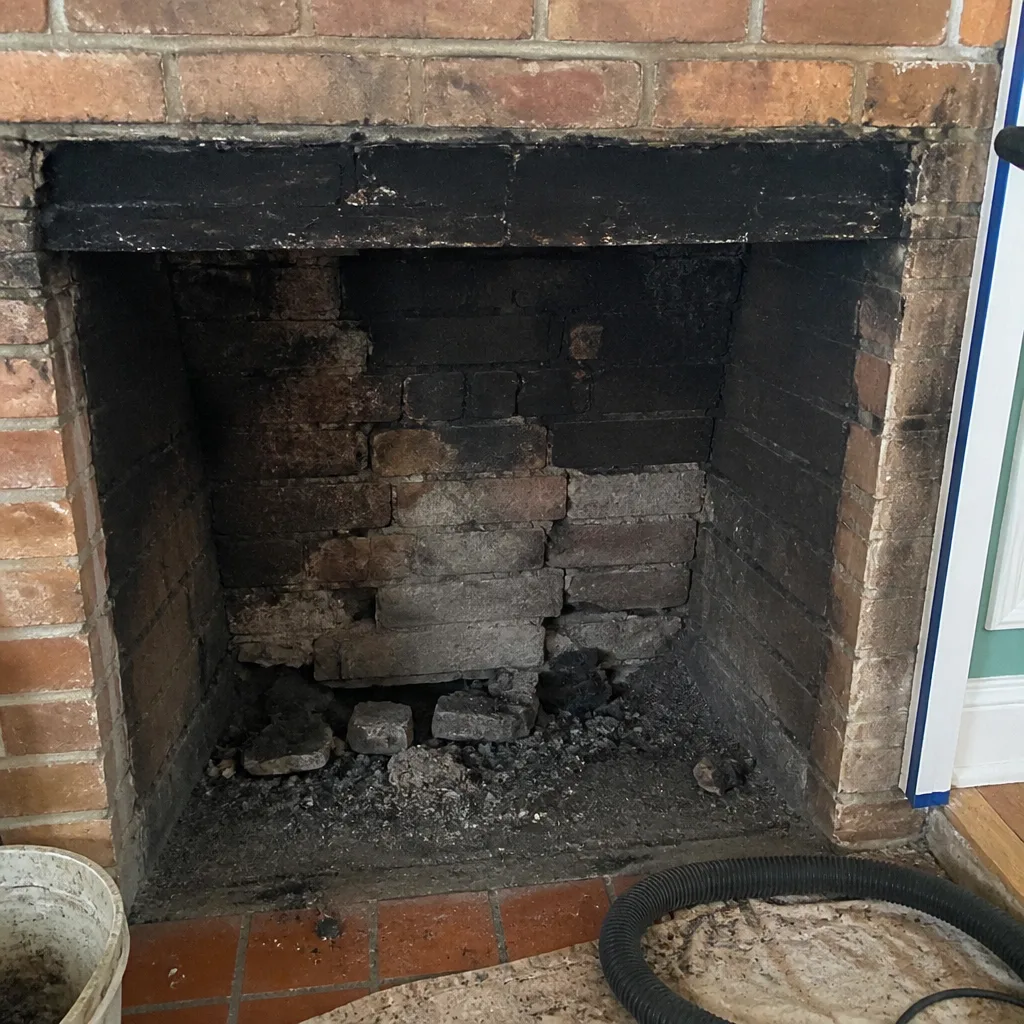
See the difference
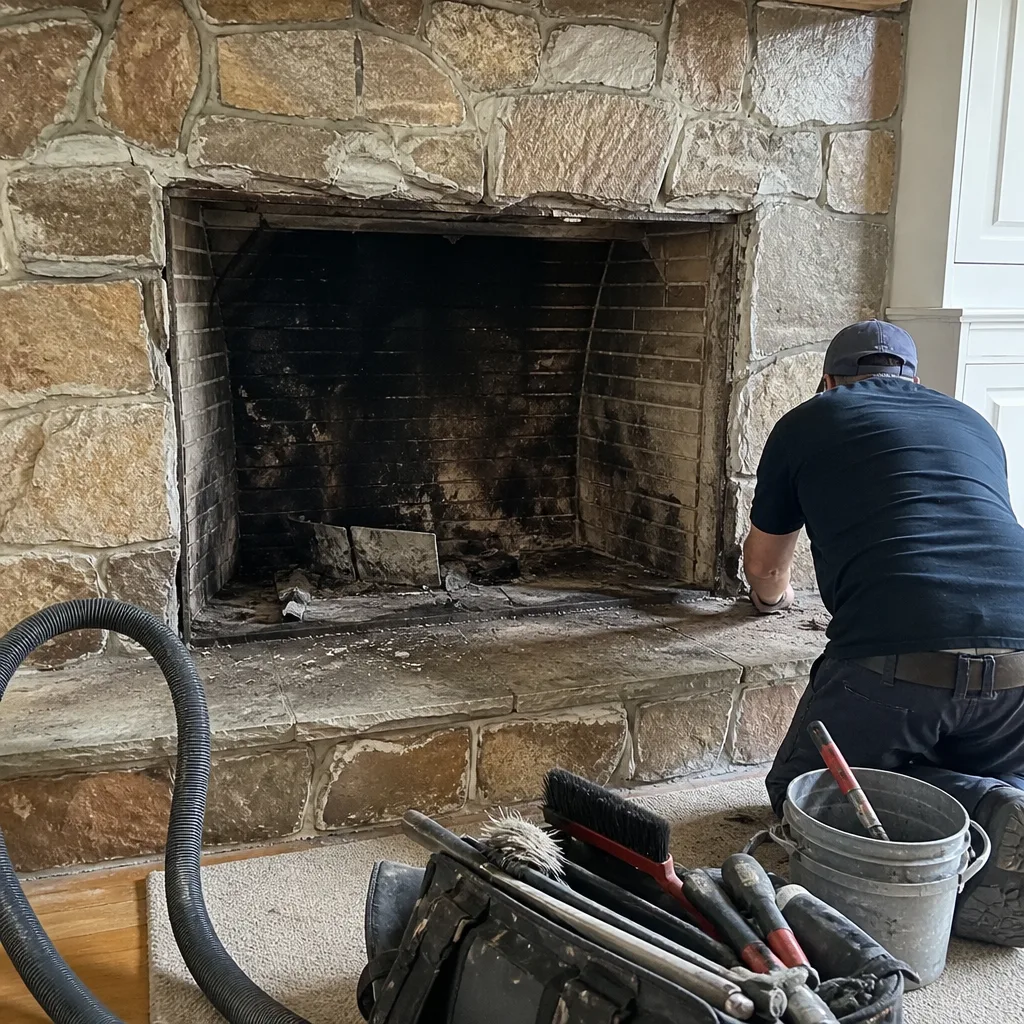 Before
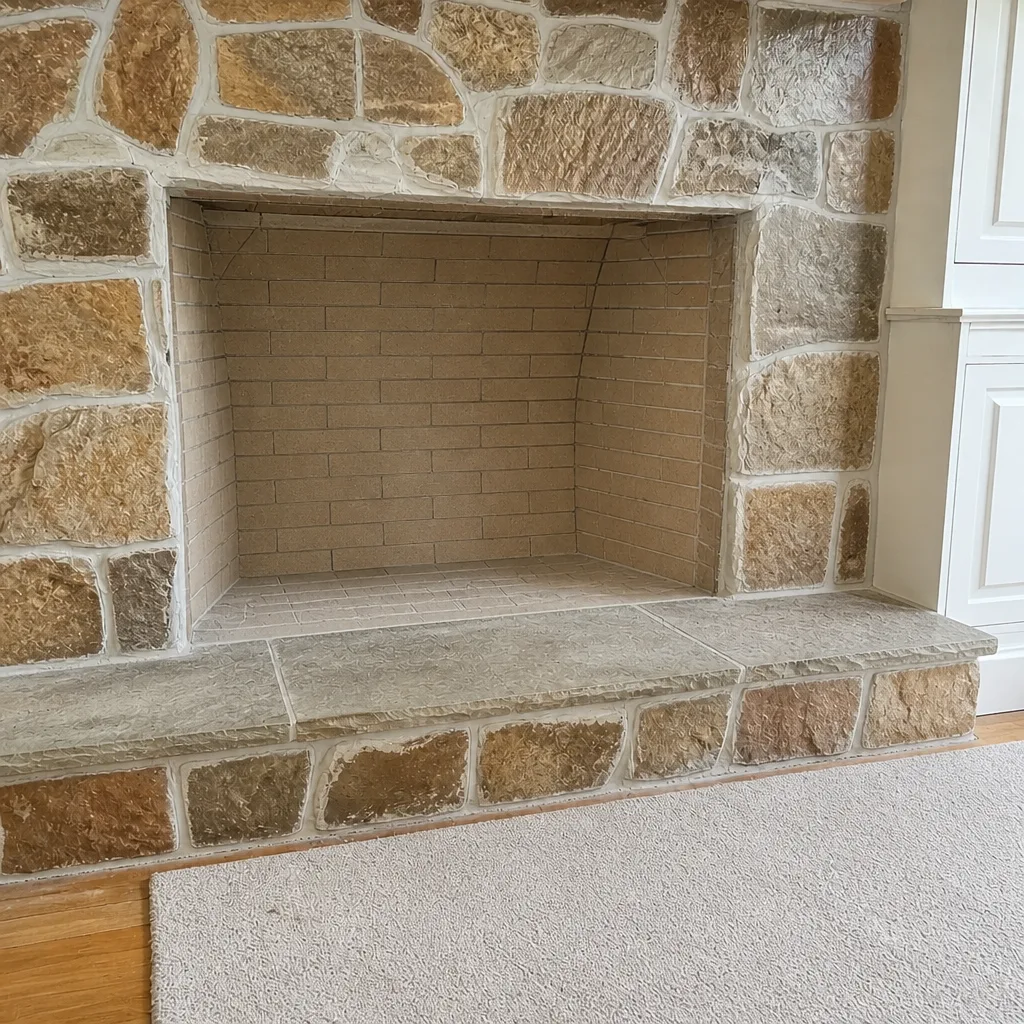 After
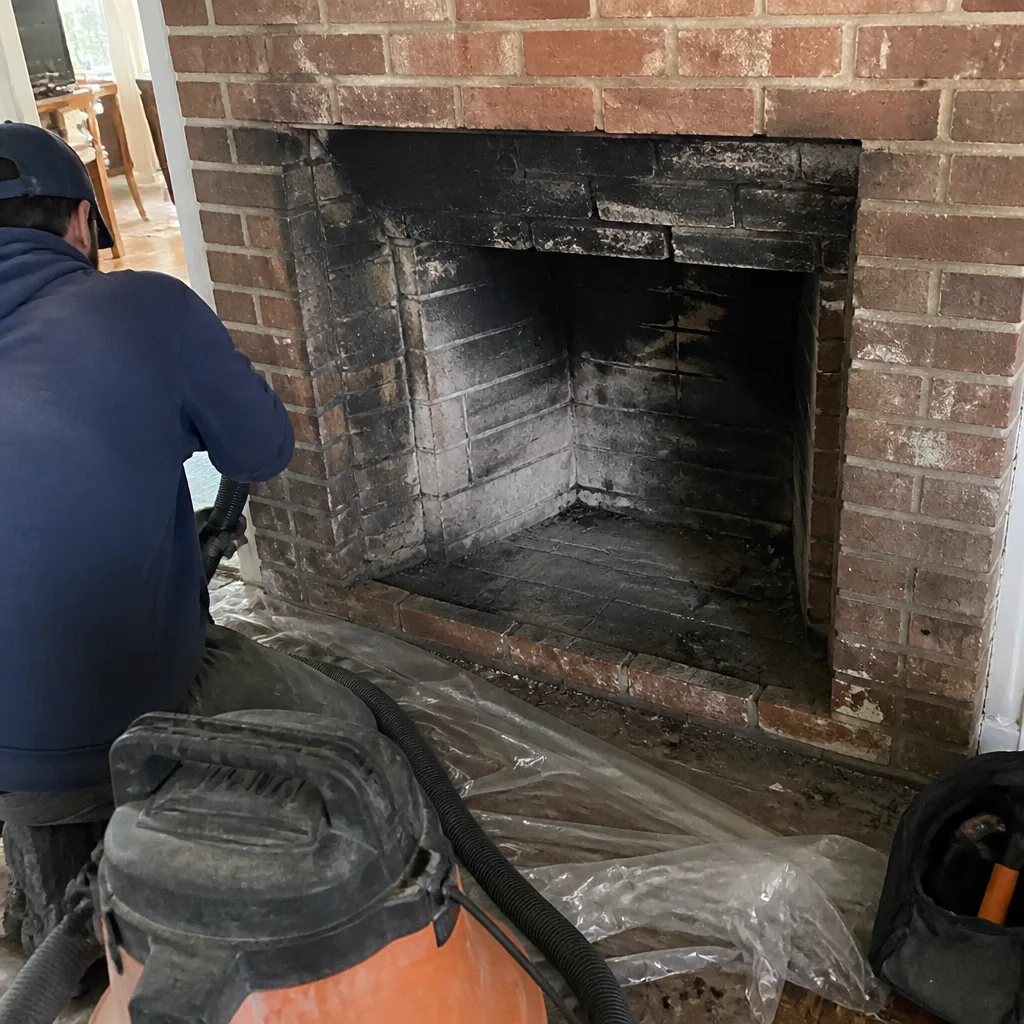 Before
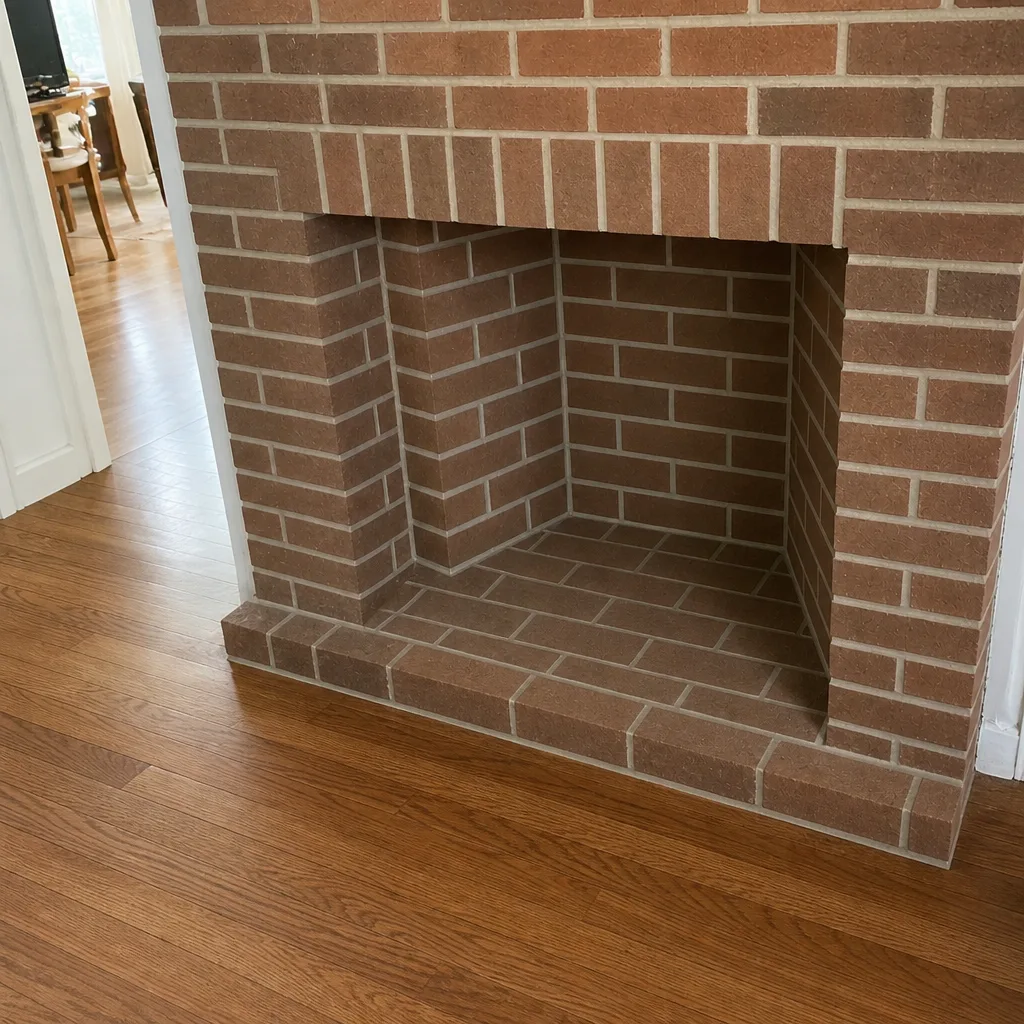 After
 Before
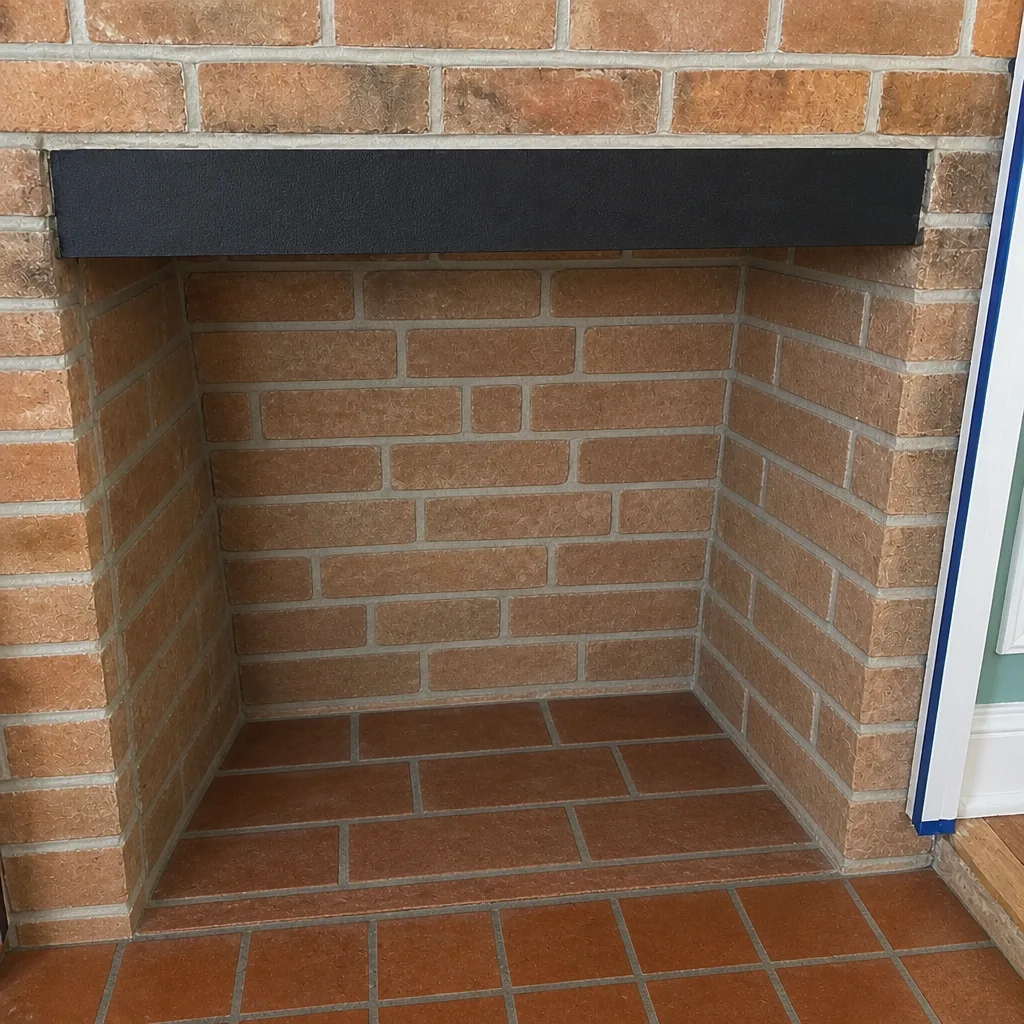 After
When to Call a Professional
Call a professional if you haven’t had the chimney swept in a year of regular burning, if you’ve noticed a strong smoky smell or smoke backing into the room, or if you see cracks in the crown, spalling brick, or a missing cap after a storm. Call if you’ve moved into a home and don’t know when the chimney was last cleaned, if the firebox is damp after rain, or if you suspect the liner is damaged. Any of those is a reason to get an inspection before the next fire.
Chimney Sweep Steele Creek offers free estimates in Steele Creek. Call (888) 848-8714 for yours. We answer 24/7, with fast dispatch from 7am to 7pm, Sunday through Friday. One call covers your chimney. Chimney Sweep Steele Creek handles sweep, inspection, cap and crown, and repair as a single-source job, using professional-grade materials.
If you’re also dealing with cracks in the masonry shell itself, that’s structural chimney repair rather than cleaning, and it belongs in the same seasonal plan. We’ll look at it under the same inspection and tell you what can wait and what can’t.
Frequently Asked Questions
Once a year if you burn wood regularly, and sooner if you burn heavily or notice creosote buildup, smoke backing into the room, or a strong smoky smell. Many homeowners also sweep mid-season if they burn steadily. The seasonal plan above puts the main sweep in August or September and a spring inspection in April or May.
Because that’s when the first cold snap hits and everyone calls at once. Backlogs can push appointments weeks out, right when you want the fireplace most. Booking in August or September gives you the scheduling flexibility October doesn’t. Call (888) 848-8714 for an exact quote. Estimates are free.
A failed cap can sit crooked, come loose, or be missing entirely, and you can usually see that from the ground. You may also see cracks in the crown that have widened, staining on top of the chimney, or debris washed into the firebox. A cap from Gelco or Famco, installed in summer, keeps rain and animals out before storm season does more damage.
Yes, because a sweep and inspection are different jobs. A fall sweep clears creosote, but it doesn’t check what winter did to the crown, masonry, or liner. A spring inspection catches moisture damage and storm damage early, while repair is still simple. We do Level 1 and Level 2 inspections as standalone services.
Creosote builds up in stages, and the heavier, tar-like stages are what a chimney fire feeds on. You can’t reliably judge that buildup from the living room, because it’s a flue-wall condition. Skipping the sweep raises the risk over time. If it’s been a year of regular burning, call (888) 848-8714. Estimates are free.
Sometimes. HeatShield ceramic resurfacing is designed specifically for restoring a deteriorating flue, giving you a repair option between a full reline and doing nothing. If the flue damage is more serious, we install DuraFlex flexible liner systems. We inspect first and recommend only what the camera shows, and we tell you when work can safely wait.
The Bottom Line
Seasonal chimney care in Steele Creek is a four-part cycle. Inspect in spring to catch winter moisture damage. Fix the cap and crown in summer before storm season. Sweep in August or September, ahead of the October backlog. Monitor creosote and burn habits through winter. That schedule keeps the whole chimney system, from flue to crown, on a proactive footing, so you’re never calling the week you need the fireplace. The one number to remember: August is the sweep window, not October. If you haven’t looked at the chimney since last spring, the spring inspection is the first step, and it’s the one that tells you what this year needs.
Written by the team at Chimney Sweep Steele Creek.