
Last updated November 22, 2026
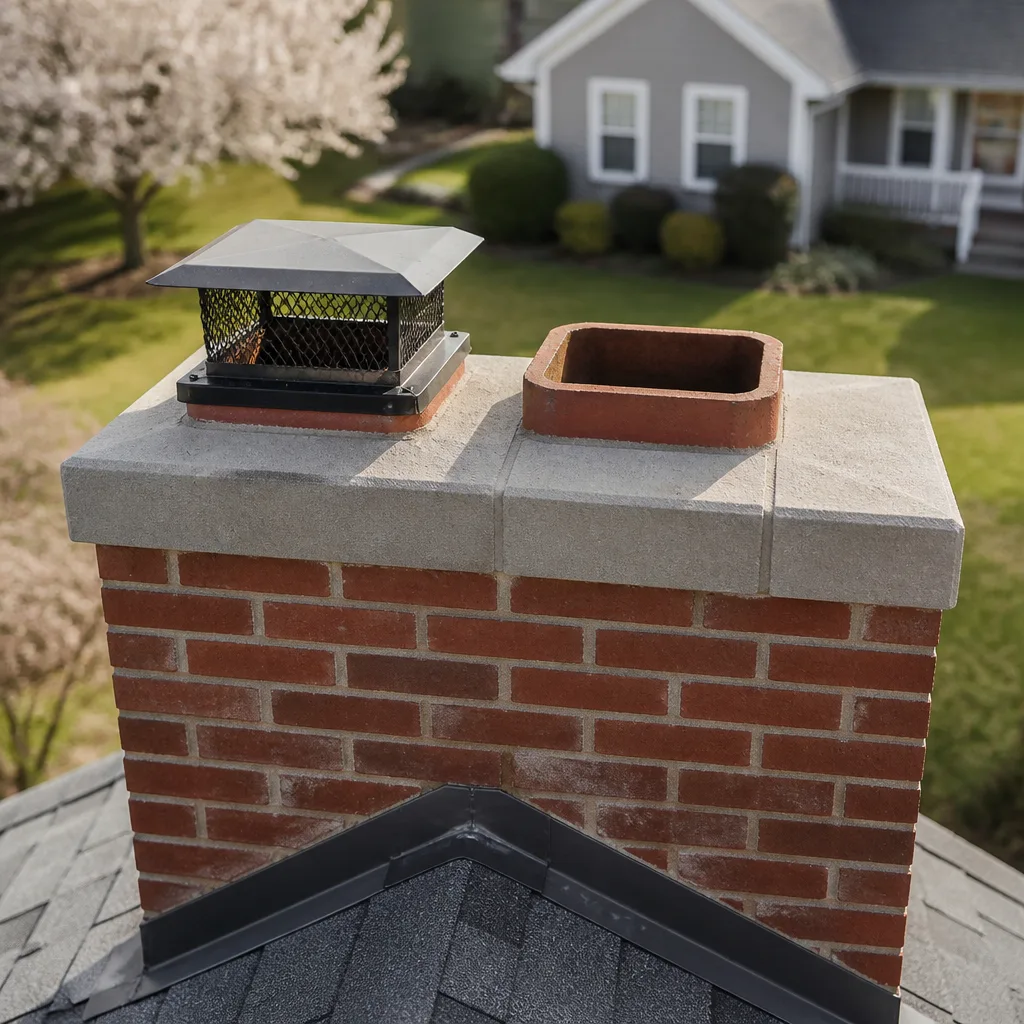 Sweep & inspection
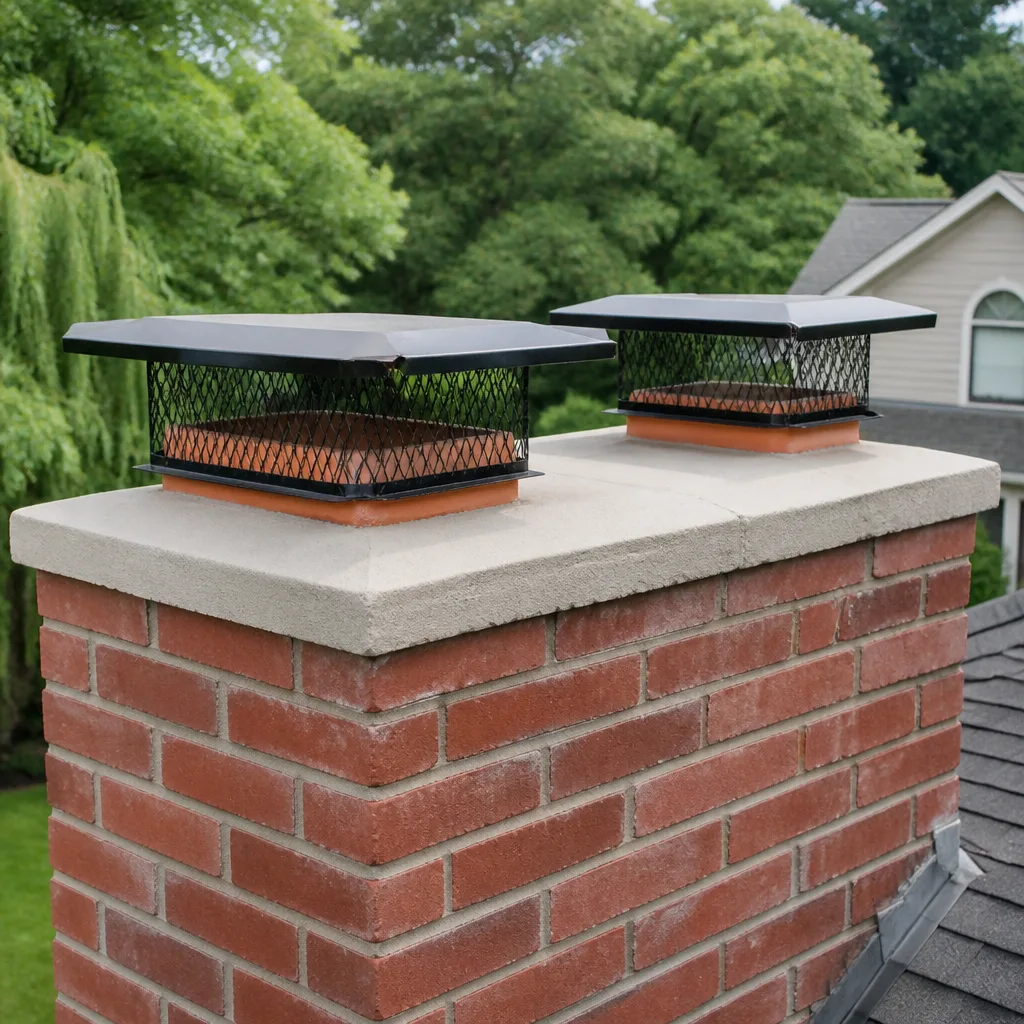 Caps & crowns
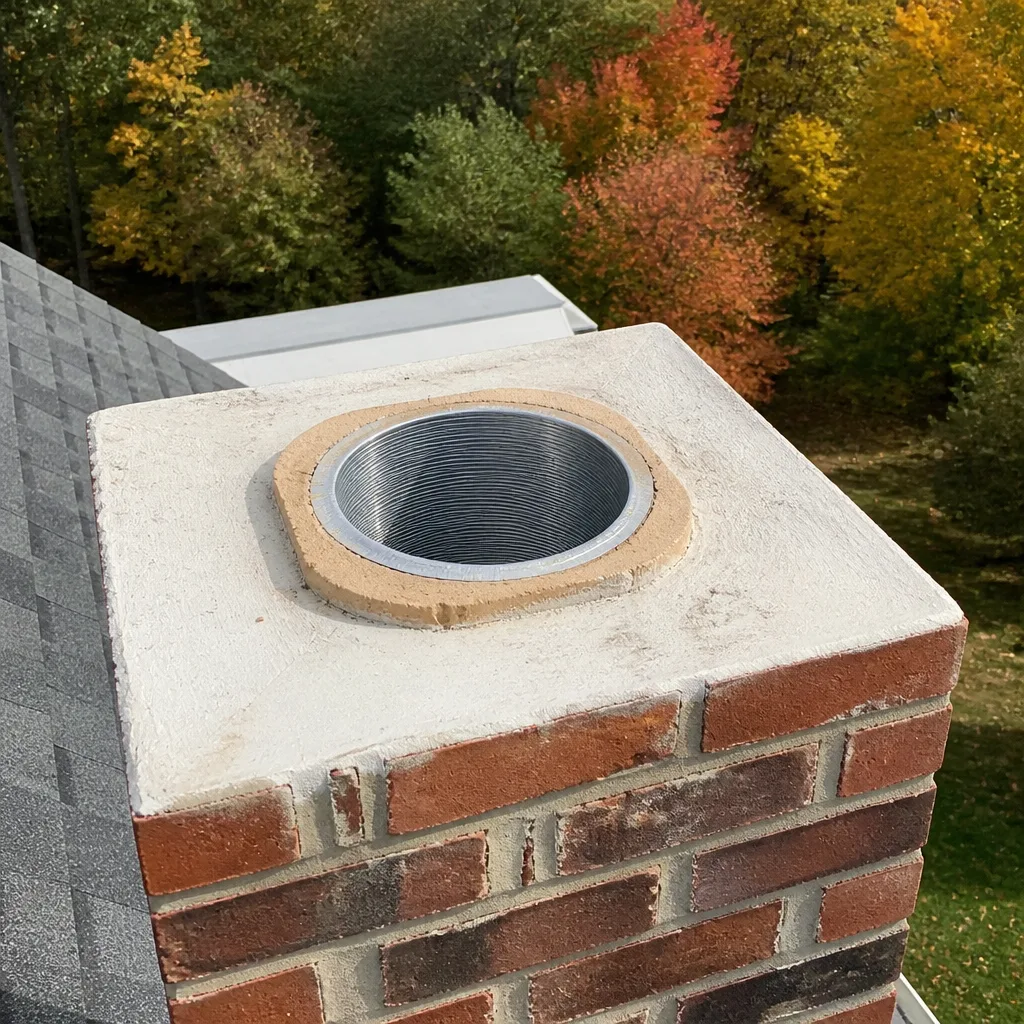 Flue relining
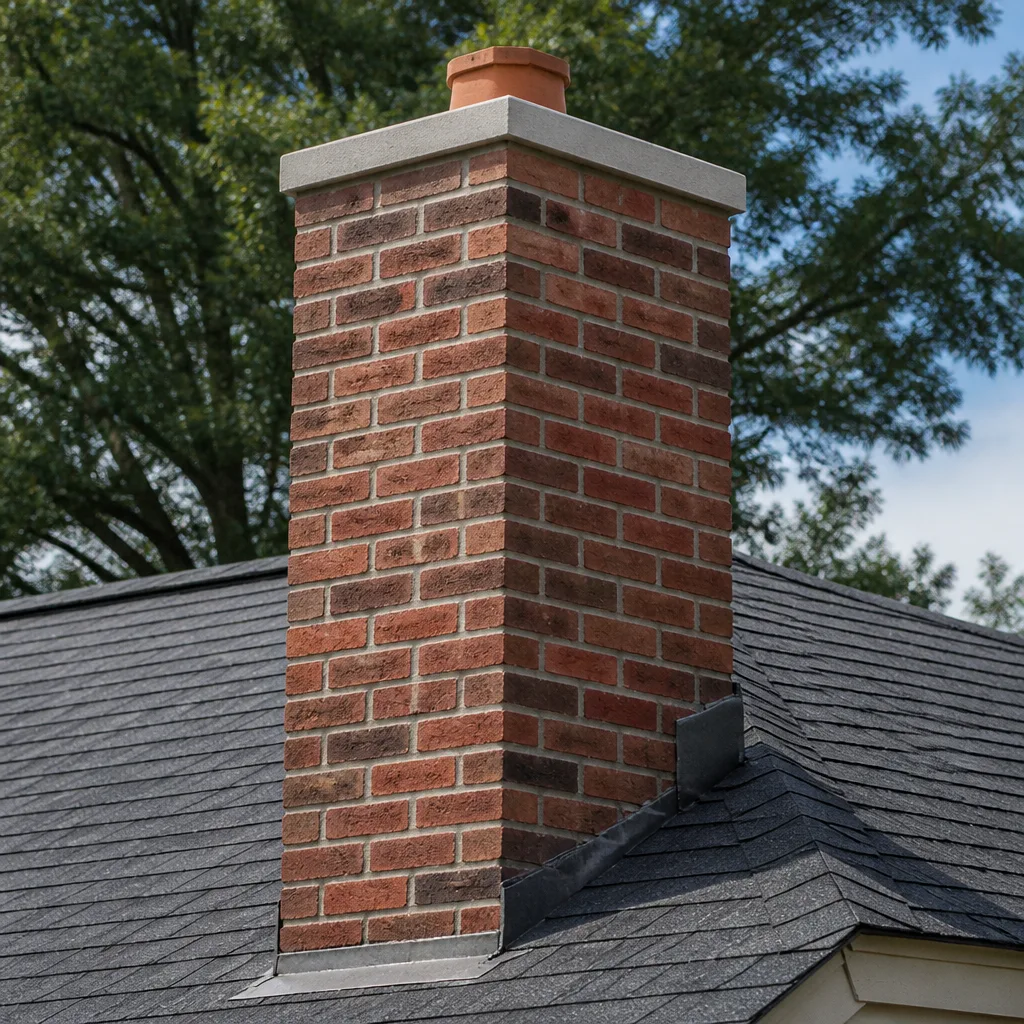 Masonry repair
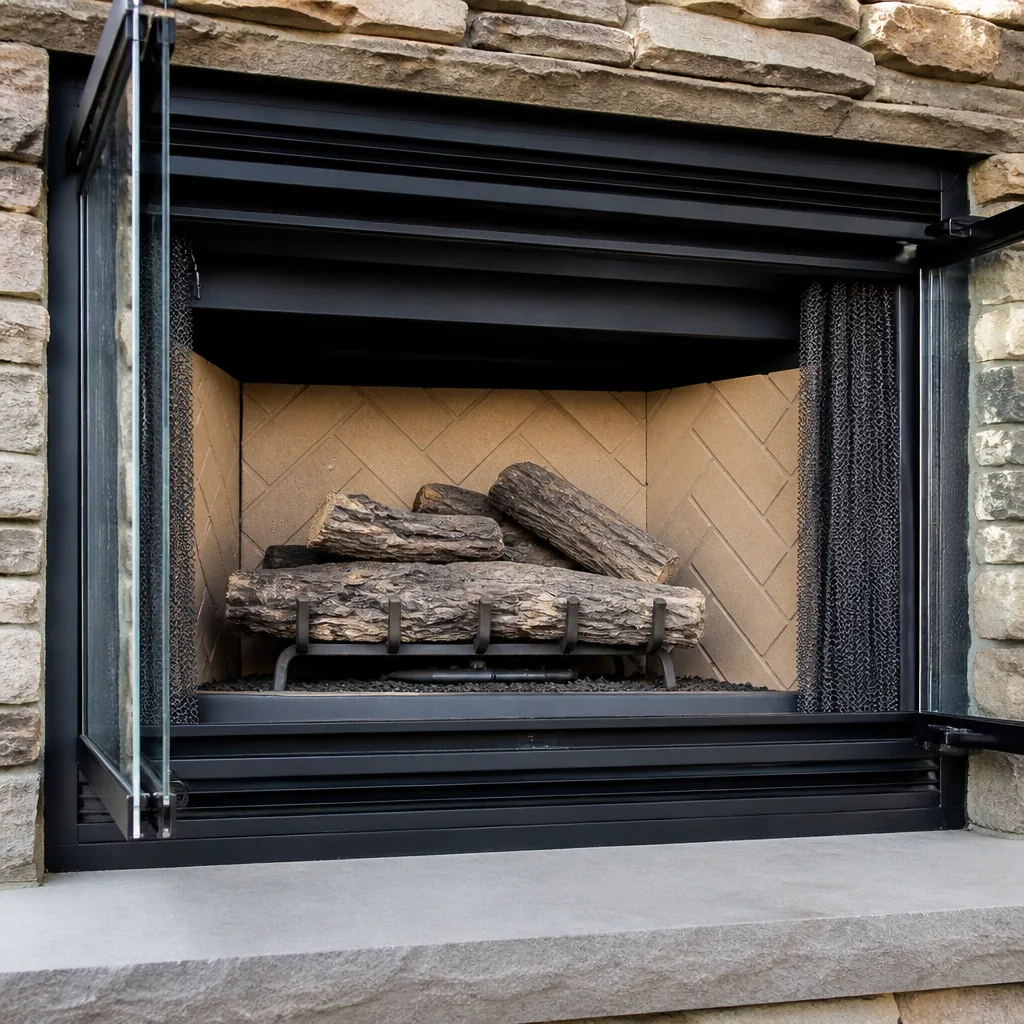 Gas fireplace service
Level 1 sweep and inspection to the NFPA 211 annual standard - flue, crown, cap, and flashing checked and photographed
Chimney sweep logs do not sweep chimneys. They loosen some creosote - which then falls where a brush and vacuum still have to collect it.
Chimney Cleaning Emergency Preparedness Guide for Steele Creek Homes
A chimney fire doesn’t always announce itself with a roar. Many burn slowly inside the flue, flaring and dying back, reaching temperatures above 2,000°F while the house stays quiet and the fire in the firebox looks normal. Homeowners often don’t know it’s happening until a neighbor mentions smoke rolling off the roof. The uncomfortable truth is that most chimney emergencies we see traces of were set up months earlier by a skipped sweep or a cracked flue nobody looked at. This guide covers how to recognize a chimney fire, what to do in the first minutes, what to document afterward, and the pre-season decisions that make an emergency far less likely in a Steele Creek home.
Quick Answer
Chimney emergency preparedness means three things: know the signs of a chimney fire or carbon monoxide event, know the exact sequence of actions to take in the first minutes, and complete the maintenance that removes the fuel those emergencies feed on. If you suspect a chimney fire, call 911 first, get everyone out, and never open the damper or firebox door. Afterward, no fire until a professional inspects the flue. In Steele Creek, the highest-value prep step is a pre-season sweep and inspection before the first cold snap, when creosote has had a full year to build.
Styles & brands we work with
- Sweep & inspection
- Caps & crowns
- Flue relining
- Masonry repair
- Gas fireplace service
Table of Contents
- How to Recognize a Chimney Fire in Progress
- The First Minutes of a Suspected Chimney Fire
- Carbon Monoxide and Your Fireplace: Placement That Actually Works
- After the Emergency: Documentation, Damage, and When You Can Use It Again
- Pre-Season Preparation That Actually Lowers Risk
- Blockages, Downdrafts, and the Steele Creek Wind Pattern
- Why Steele Creek Housing Stock Matters
- Common Mistakes to Avoid
- When to Call a Professional
- Frequently Asked Questions
How to Recognize a Chimney Fire in Progress
Most chimney fires are slow-burning and quiet. The dramatic version – a sound like a freight train, flames out the top – is the minority. In our experience, the trickier cases are the ones where the homeowner notices something is off but can’t name it. Here’s what to check, and the exterior signs matter as much as the interior ones.
Sounds from inside the flue:
- A low rumbling or roaring that doesn’t match the fire in the firebox
- Popping or crackling that continues after you stop adding wood
- A clicking or tapping sound, which is often metal liner or connector expanding under heat
Smells:
- A hot, sharp, almost chemical smell in the room
- Smoke smell in a room with no visible smoke
- Fresh creosote smell (bitter, tar-like) coming from the flue, not the firebox
Interior signs:
- Puffy, “honeycombed,” or flaky creosote visible on the damper or firebox walls
- Warped damper, discolored metal, or cracked glass
- Smoke stains appearing at the top of the firebox or on the mantle
What to check from outside – the step most homeowners skip:
- Walk to the yard and look at the chimney top. Thick, dark smoke with visible sparks or embers is a serious warning.
- Look for a “puffing” pattern – dense smoke that bursts and eases in rhythm.
- Check the cap and crown for visible flame or glowing metal.
- Listen from outside. A roar audible outdoors is a fast-moving fire.
- Look at nearby roof shingles for scorching or smoke staining.
If you find any of these from outside, treat it as an active fire and follow the sequence in the next section. If you suspect you had a chimney fire after the fact – say you smell fresh creosote or find puffy creosote in the firebox – stop using the fireplace and book a chimney sweep and inspection before the next burn.
The First Minutes of a Suspected Chimney Fire
What you do in the first five minutes determines the outcome more than anything else. The goal is to get people out, get the fire department coming, and starve the fire of oxygen without exposing anyone to a blowback of flame or a flue collapse.
The correct sequence:
- Get everyone out of the house. Call 911 from outside. Do not stop to gather belongings.
- Close the firebox glass or doors if they’re already closed. If the doors are open, close them without reaching into the firebox.
- Do not open the damper. It’s tempting, because your instinct says “let the smoke out,” but opening the damper feeds the fire more oxygen and can pull flame up the flue and out of the top of the chimney.
- Do not spray water into the firebox. Water on a 2,000°F firebox or flue can crack masonry and cast iron, and the steam can force smoke back into the room.
- Do not climb onto the roof. This is the single most dangerous thing a homeowner does during a chimney fire. Flue caps, roof shingles, and flue tile can fail without warning, and a fall from a Steele Creek roofline is a medical emergency on top of a fire.
- If you have a chimney fire extinguisher designed for the purpose (a chimney-specific dry chemical stick), follow its instructions only if you can do so safely and you’re already outside the firebox.
- Stay outside until the fire department clears you to return.
What not to do:
- Don’t open the firebox door to “check on it” once you’ve smelled smoke
- Don’t stand directly under the chimney top waiting for it to clear
- Don’t assume “it seems fine now” – a slow chimney fire can re-ignite hours later as heat finds new creosote
If you’re unsure whether what you saw was a chimney fire, err toward calling 911. A false alarm costs nothing compared to a flue fire that spreads into the attic or roof structure. Once the fire department clears the house, the next step is a professional inspection – no fire until then.
Carbon Monoxide and Your Fireplace: Placement That Actually Works
Carbon monoxide is colorless, odorless, and tasteless, which is why detector placement matters more than the number of units. The federal Consumer Product Safety Commission recommends at least one CO alarm on every level of a home and outside every sleeping area. What most fireplace owners miss is that ceiling-mounted combination smoke/CO units are poorly positioned to catch the specific risk fireplace use creates.
Here’s the problem in plain terms. CO from a fireplace doesn’t rise straight up like heat. When a flue is blocked or backdrafting, CO spills into the room at the firebox opening and then mixes with air at breathing height. A ceiling-mounted unit in the same room may not trigger until concentrations are high enough to be dangerous, because the gas has already dispersed. That’s why a combined smoke/CO detector on the ceiling is not enough on its own for a home with a wood-burning or gas fireplace.
What actually works for fireplace use:
- Place a CO alarm at knee-to-chest height in the room with the fireplace, or in an adjacent hallway at that height
- Keep a second CO alarm outside the bedrooms on the same level
- Keep a third near the furnace and water heater if they’re gas-fired and in the same building envelope
- Test each unit monthly with the test button
- Replace units on their manufacturer’s schedule, not “when it stops beeping”
Signs a detective alarm missed the zone:
- Headaches or drowsiness that appear only when the fireplace is running
- Flu-like symptoms in multiple household members that worsen in the evening
- Pilot lights or burner flames burning yellow instead of blue in gas appliances nearby
- Soot streaks around the firebox opening or on the room’s walls
Any of those signs, and the fireplace stays off until a fireplace repair tech or chimney inspector has traced the flue and the draft. No fire in the box until the flue is cleared.
After the Emergency: Documentation, Damage, and When You Can Use It Again
The hours after a chimney fire are the part nobody prepares for. The fire department has cleared the house, and now you’re dealing with insurance, repairs, and the question every homeowner asks first: “Can we use it again?”
What to gather before you clean anything up:
- Photograph everything before moving it. Firebox interior, damper, firebox walls, flue top (from a safe distance), the room around the fireplace, and any smoke staining.
- Get the fire department’s report number. You’ll need it for the insurance claim and for your records.
- Save any receipts – motel stay, meals, or emergency supplies paid out of pocket.
- Note the timeline in a simple log: when you first noticed something, when you called 911, when the fire department cleared you.
- Don’t move the firebox contents, creosote flakes, or damaged flue parts until the inspector has seen them. Those are diagnostic, and sometimes evidence.
When can you use the chimney again?
Only after a professional inspection of the flue. A chimney fire often damages the flue tile, the liner, and the joints between them in ways that aren’t visible from the firebox. A Level 2 inspection (video camera) is the standard after any chimney fire because it finds damage the eye can’t reach. If the fire cracked or spalled the flue tile, the chimney needs relining before the next fire – that’s not an upsell, it’s what keeps the next fire inside the chimney.
What we don’t recommend:
- Burning “just one” small fire to test it
- Having a general handyman look at it instead of a chimney specialist
- Patching visible cracks without inspecting the full flue run
One call covers everything your chimney needs after a fire – sweep, camera inspection, and a written scope of any repairs the video shows. If the flue needs relining, we install DuraFlex flexible liner systems, and if the flue tile needs resurfacing rather than replacement, we use HeatShield ceramic resurfacing, which is a middle option between a full reline and doing nothing.
Pre-Season Preparation That Actually Lowers Risk
Emergency preparedness is mostly a fall project. The homeowners who never call us in a panic are the ones who did the routine work in September and October. Here’s what specifically lowers your chimney emergency risk.
1. Book a sweep and inspection before the first cold snap. Chimney sweeps in Steele Creek fill up fast in October and November. A pre-season sweep removes the creosote that fuels a chimney fire. A pre-season inspection finds the cracked flue and rusted cap while there’s still time for a scheduled repair instead of a surprise one.
2. Burn dry, seasoned wood. “Seasoned” means split and stacked for at least six months and under 20% moisture. Wet wood burns cooler, produces more creosote, and forces the flue to work harder. A cheap moisture meter solves the guessing.
3. Don’t burn paper, cardboard, or trash. Paper – including gift wrap and pizza boxes – sends burning flakes up the flue, and those flakes are a common cause of chimney fires. It doesn’t matter what the label says.
4. Get a proper chimney cap. Caps from Gelco and Famco keep rain, birds, squirrels, and leaves out of the flue. That’s not cosmetic – a bird nest in a flue is a blockage, and a blockage is a CO risk the first time the fireplace runs. A chimney cap & crown installation is one of the cheapest preventive jobs in the category.
5. Fix the crown before winter. The crown is the concrete top of the chimney. A cracked crown lets water into the masonry every time it rains, and repeated freeze-thaw through a Steele Creek winter opens cracks further. Left alone, a bad crown is what drives major masonry repair.
6. Check the damper and firebox before burn season. A damper that doesn’t seal, cracked firebox brick, or a warped grate should all be found in September, not on the first cold night of the year.
7. Put a CO alarm at the right height. Covered above, but it belongs on the pre-season list. Ceiling-mounted units miss the highest-risk zone.
8. Have a fire safety plan for the house. Two ways out. A meeting spot. Everyone knows the drill. Chimney fires move quickly into the roof structure and you may have less time than a fire in a kitchen.
Blockages, Downdrafts, and the Steele Creek Wind Pattern
Not every chimney emergency is a fire. Blockages and downdrafts are the quiet version – no flame, just smoke in the room, a fireplace that won’t draw, and CO building up where nobody thinks to look. Steele Creek’s housing sits in a pocket of the Piedmont where tree canopy and hillside grade change how wind hits a roofline. Chimneys on the downhill side of a ridge or tucked into tall hardwoods get a different wind profile than chimneys on open lots, and downdrafts show up on the leeward side of a tree line.
Signs of a blockage:
- Smoke rolling into the room when the fire is first lit
- A weak fire that won’t draw even with the damper fully open
- Ash or soot in the room, not just at the firebox
- Smoke smell in the house when the fireplace is off
What causes them:
- Bird nests, especially in uncapped flues in spring
- Leaf and debris loads after autumn storms
- Soot and creosote buildup closing the flue at the smoke shelf
- Collapsed or spalled flue tile blocking the run
- Fallen chimney cap or loose cap screen
What downdrafts look like:
Downdrafts show up as smoke puffing back into the room a few minutes after lighting, or a fire that burns fine for half an hour and then dies. They’re worse on windy days and on chimneys with a short stack or a poorly fitted cap. A correctly sized chimney cap from Gelco, Famco, or Olympia Chimney often eliminates mild downdraft by changing how air flows over the flue top, and an inspection confirms whether the flue needs more than a cap.
One rule: any chimney that has blocked suddenly needs a professional inspection before the next fire – not a “burn it out” attempt.
Why Steele Creek Housing Stock Matters
Chimney risk isn’t uniform across the Charlotte metro. Steele Creek’s housing mix – from older brick ranches with original masonry chimneys to newer builds with factory-built fireplaces and manufactured flue systems – means the specific failure points differ block by block. Older masonry chimneys with clay tile liners are prone to spalling after decades of thermal cycling, and a chimney fire accelerates that failure sharply. Newer factory-built fireplaces have specific liner requirements and often get fed fires they weren’t rated for.
We work with six professional chimney product lines for exactly this reason: DuraFlex, HeatShield, Gelco, Olympia Chimney, Famco, and Copperfield. A DuraFlex flexible liner handles aging or damaged flues where the original tile can’t safely be repaired in place. HeatShield ceramic resurfacing restores deteriorating flues without demolition when the damage isn’t a full reline. Gelco and Famco caps handle the intrusion side of the equation. Olympia Chimney covers the connector and flue products that fit older installations.
The important point isn’t the brands. It’s that a Steele Creek fireplace can’t be fixed with a one-size approach. We inspect before we recommend. That means the video camera goes down the flue before anyone quotes a reline, and the written scope says what the camera showed. If the flue is fine, we say so – and if the repair can safely wait until spring, we say that too. Built to last, not patched to pass means the work we recommend will still be right in ten winters.
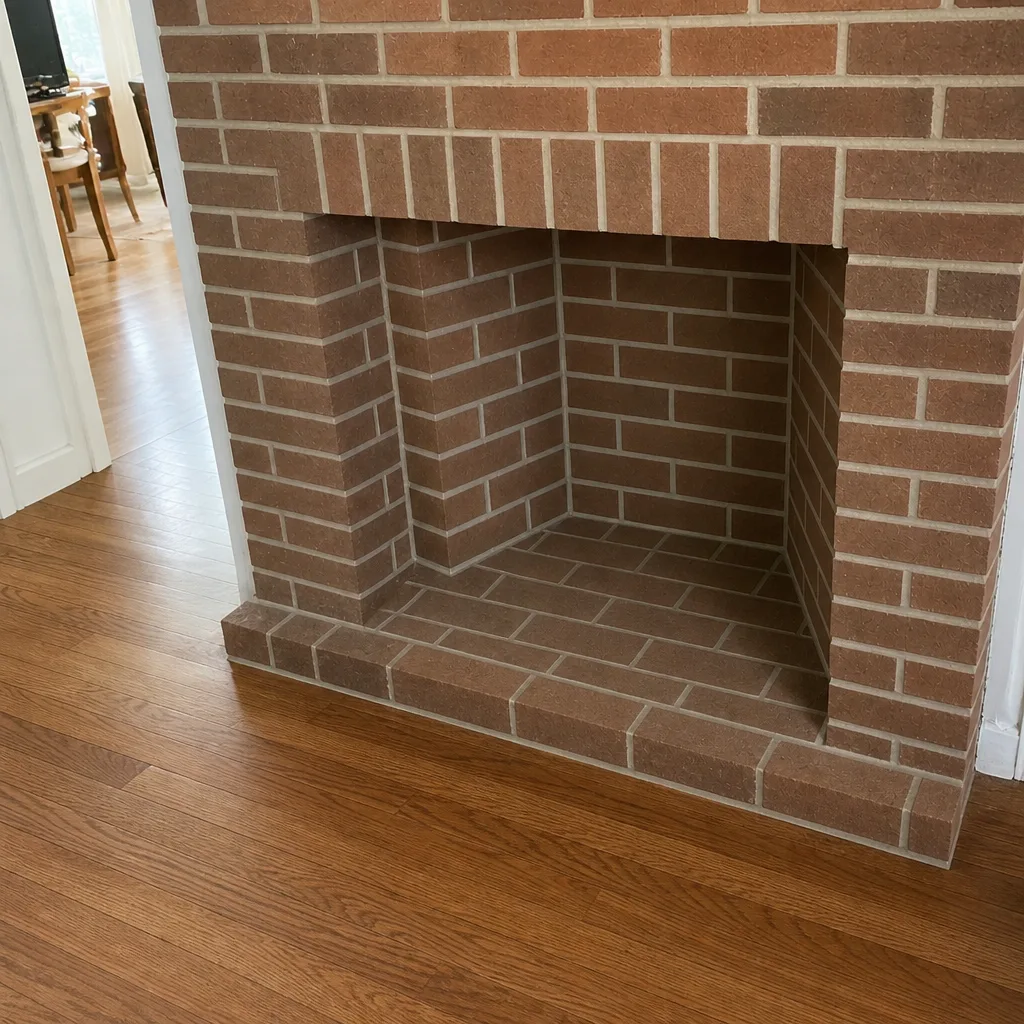
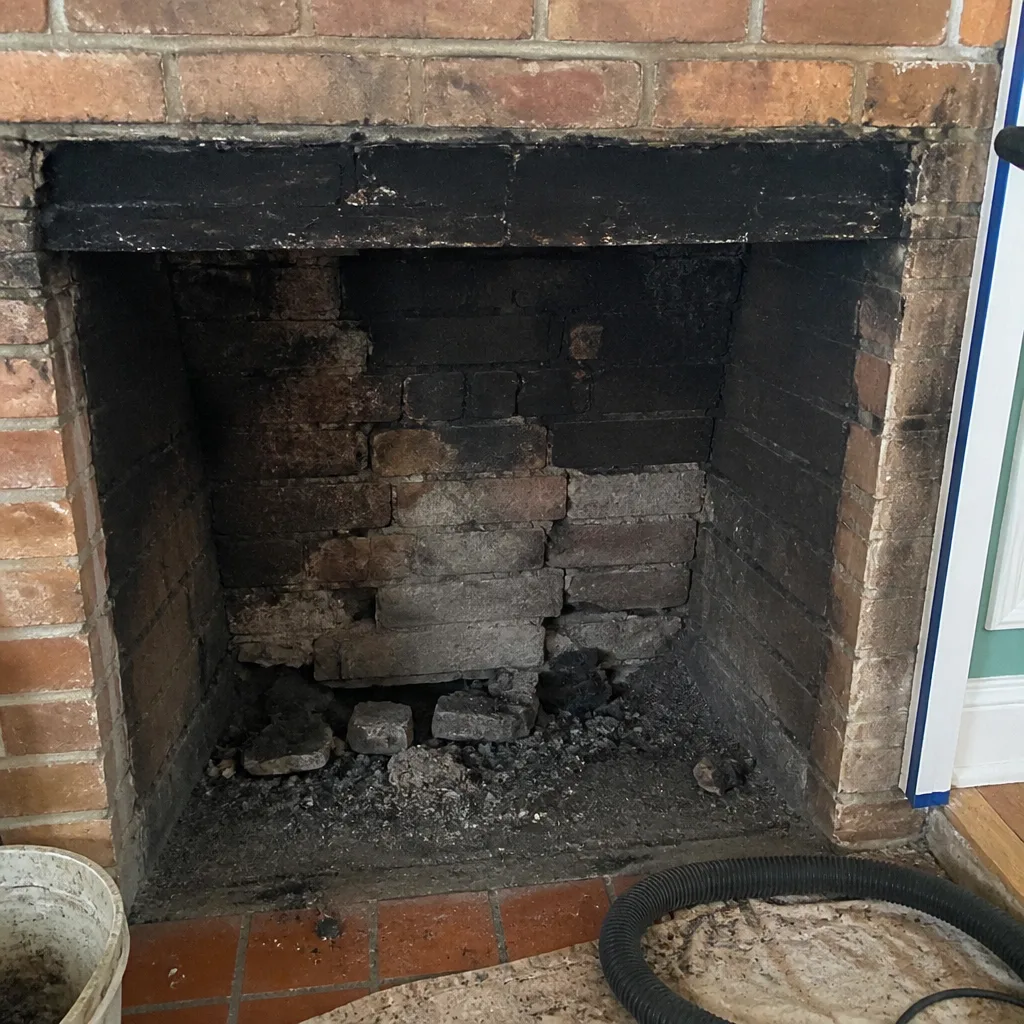
See the difference
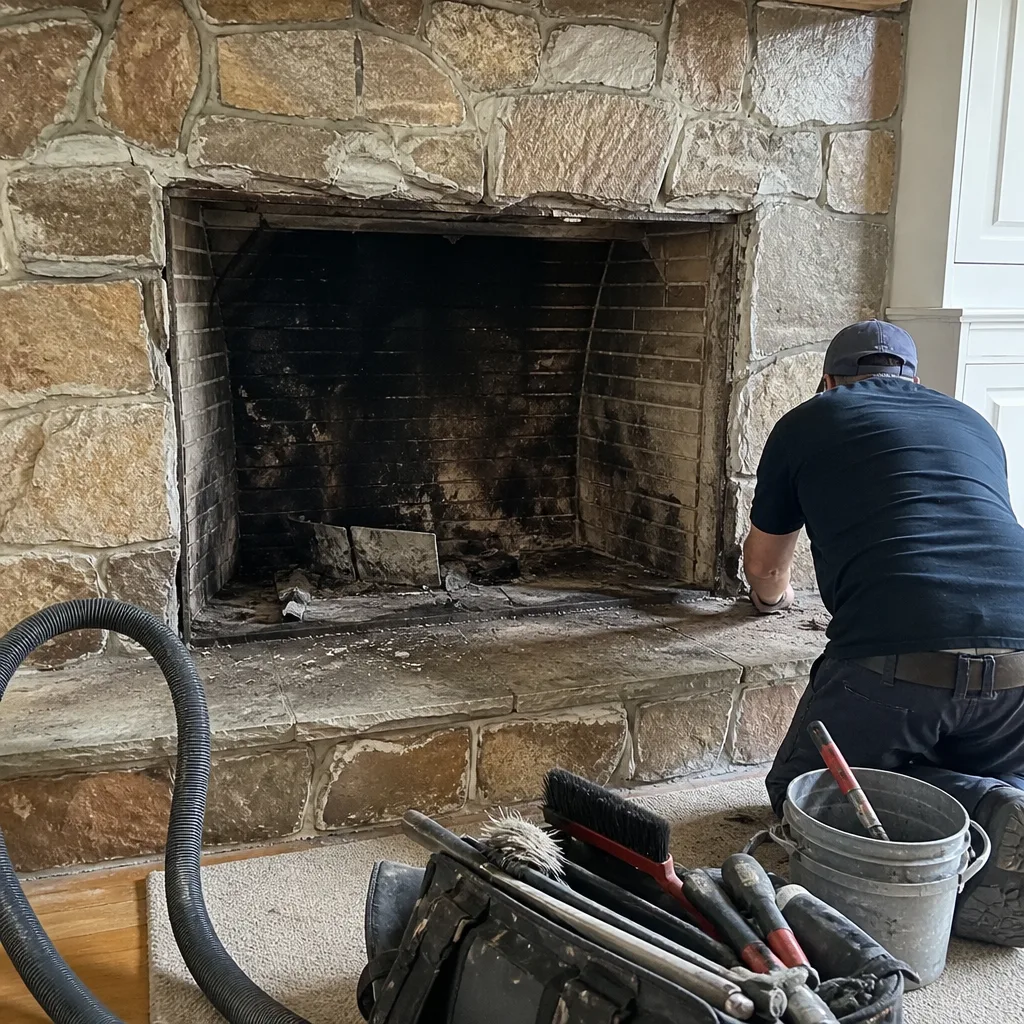 Before
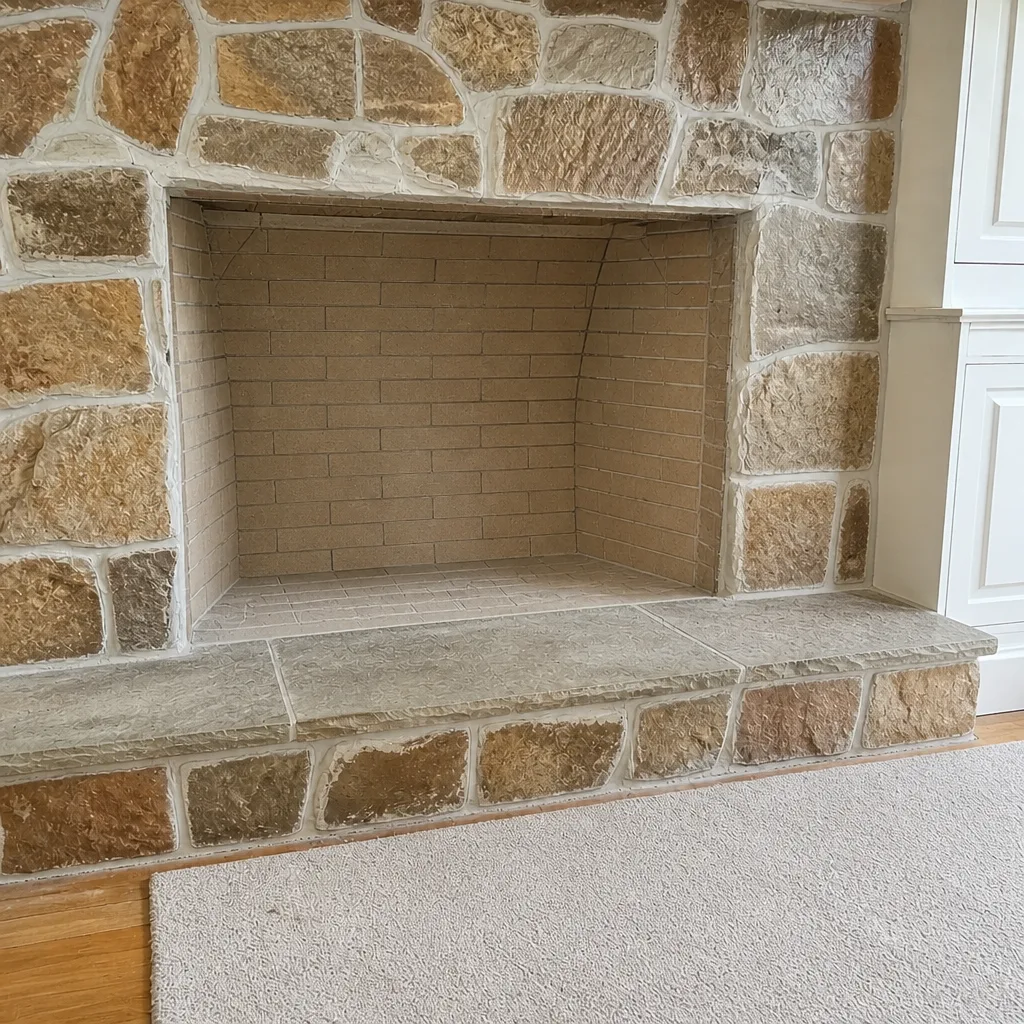 After
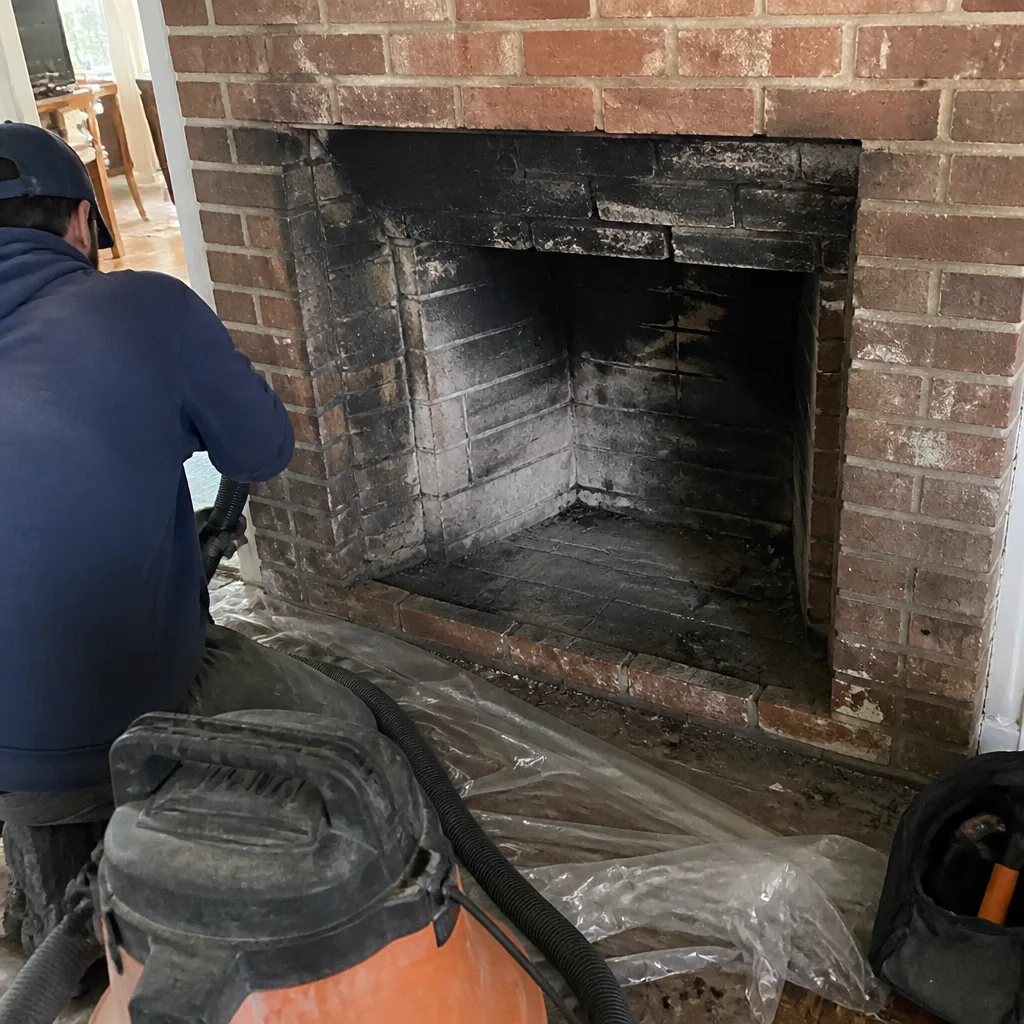 Before
 After
 Before
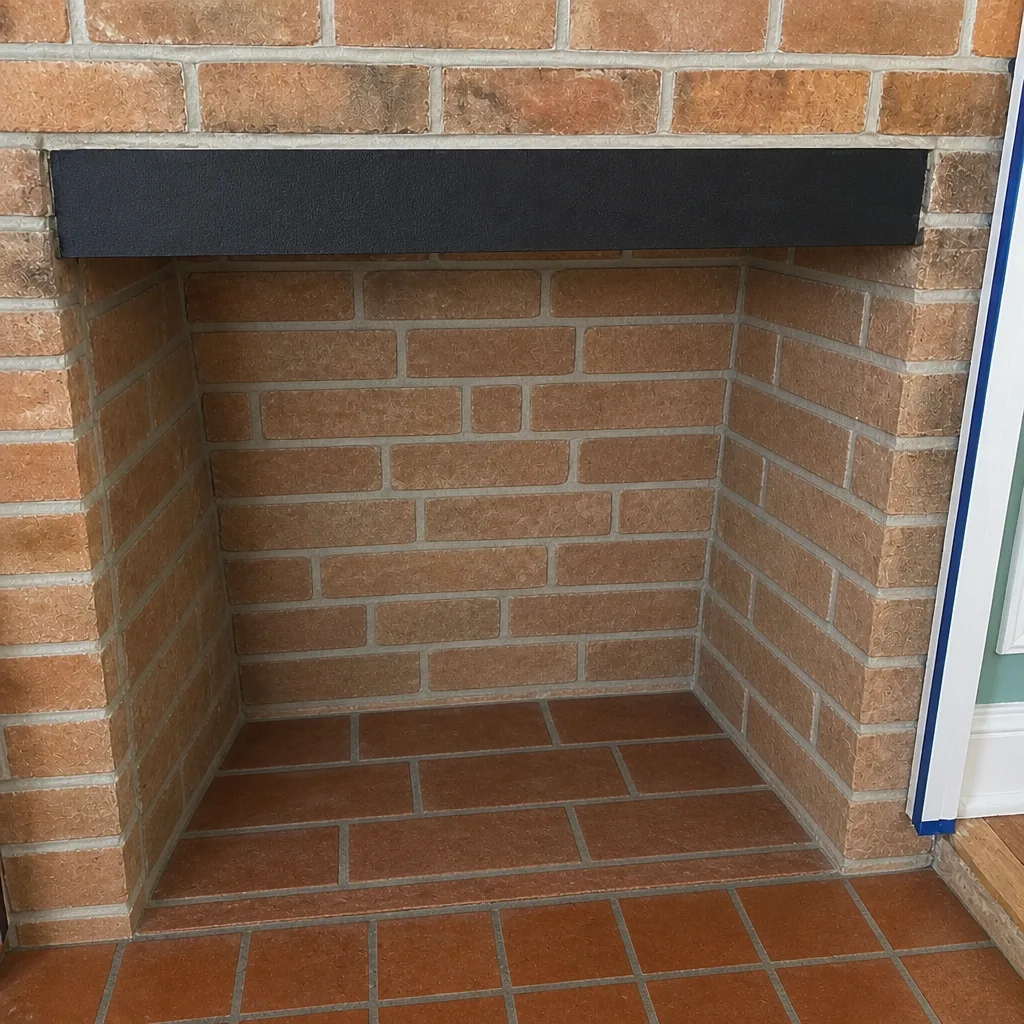 After
Common Mistakes to Avoid
- Waiting until the first cold snap to book a sweep. In Steele Creek, the two weeks before Thanksgiving are the busiest sweep weeks of the year, and the wait pushes into December. Book in September or early October so a problem gets found while there’s still a scheduled repair window.
- Opening the damper when you suspect a chimney fire. It’s the instinct to let the smoke out, but the damper is a door. Opening it feeds oxygen to a fire that’s already above 2,000°F, and it can pull flame out of the top of the chimney. Close the firebox doors, get out, call 911.
- Relying on a ceiling-mounted smoke/CO combo as your only CO detector. CO from a fireplace spills at firebox height and mixes at breathing level. A ceiling unit in the same room can miss the highest-risk zone in the earliest minutes. Add a knee-to-chest height alarm in the fireplace room.
- Burning wrapping paper, pizza boxes, or “quick-start” trash. Burning paper sends flaming flakes up the flue, and those are a leading cause of chimney fires. Wood only, and dry wood.
- Climbing onto the roof to inspect the flue yourself. This is the most common serious-injury mistake in the category. Flue tile, caps, and roof shingles can fail without warning. The exterior is what we look at from the ground; the flue is what we look at with a camera.
- Relighting the fireplace the next day to “test it.” A chimney fire can crack tile and open joints that aren’t visible from the firebox. No fire until a professional inspection has cleared the flue, and a Level 2 inspection is what that visit should be.
- Assuming a clean-burning fire doesn’t need a sweep. Gas and wood-burning fireplaces both build up deposits. Gas appliances produce their own byproducts, and a “clean” wood fire still leaves some creosote over a season. Annual inspection catches both.
When to Call a Professional
Call a chimney professional for any of these: you suspect a chimney fire even if it’s over (no fire until the flue is inspected); a CO alarm has activated near the fireplace; you smell smoke with the fireplace off; the fire won’t draw or smoke rolls into the room at lighting; there is visible cracked masonry, missing mortar, or a cracked crown; you haven’t had the chimney swept and inspected in more than a year of regular use; a chimney has blocked from birds or debris; or you’re buying a Steele Creek home and the seller can’t produce a recent inspection record. A Level 1 inspection covers an accessible, well-maintained chimney; a Level 2 adds the video camera and is the standard after a chimney fire, a blockage, or a change in appliance. We perform both as standalone services.
Chimney Sweep Steele Creek offers free estimates in Steele Creek – call (888) 848-8714. We answer 24/7. Fast dispatch from 7am to 7pm, Sunday through Friday.
Frequently Asked Questions
Once a year for a regularly used fireplace, and twice a year if you burn heavily through the winter. In Steele Creek, a full burn season typically runs from October into March, which is long enough for creosote to build to a level that needs removal by spring. Sweeping once a year ahead of the season is the minimum, and an annual inspection is the piece that catches flue damage a sweep alone won’t find. Call (888) 848-8714 for an exact quote – estimates are free.
Creosote builds up inside the flue, and when that creosote ignites, you get a chimney fire – often slow-burning and unnoticed at first. Beyond the fire risk, skipped sweeps let small problems grow: a cracked flue tile, a rusted cap, a bad crown – each of which is cheaper to fix the year it appears than after a fire or a masonry failure. Skipping a sweep doesn’t save money; it defers it and adds risk. Call (888) 848-8714 – estimates are free and we’ll tell you honestly when a sweep can wait.
Only if the inspection shows the liner is damaged, cracked, or detached from the joints – those are the cases where a reline is required before the next fire. If the flue tile is intact, the answer may be no. That’s why we do a video inspection before recommending anything, and the report is yours to keep. When a reline is needed, we install DuraFlex flexible liners; when the tile can be restored, HeatShield ceramic resurfacing is often the right call instead of a full reline. Call (888) 848-8714 for the exact scope after inspection.
At least one CO alarm on every level of the home, one outside every sleeping area, and one at knee-to-chest height in the room with the fireplace. The CPSC recommends the per-level and outside-sleeping-area placements; the firebox-height unit is the one that catches a fireplace spill before a ceiling-mounted unit does. Test each monthly. If a CO alarm goes off near the fireplace, treat it as an active emergency and call 911 from outside.
Only after a Level 2 inspection has cleared the flue. The camera shows what the eye can’t see from the firebox, and it’s how we confirm that tile and joints survived the fire. If the inspection is clean, the chimney can go back into service. If not, the repair gets scoped first and the fireplace stays off until it’s done. Call (888) 848-8714 – estimates are free and the written scope comes from the camera findings, not a guess.
A standard sweep is usually quoted per job, and the written estimate sets the final price – the inspection and any recommended repairs are itemized separately and are not bundled. We inspect before we recommend, so you see the camera findings and the quote in the same visit, and you can see when work can safely wait. Call (888) 848-8714 for an exact quote – estimates are free.
The Bottom Line
Chimney emergencies are preventable, and prevention is mostly an autumn project. The prepared Steele Creek homeowner does three things: gets a sweep and inspection before the first cold snap, places a CO alarm at firebox height rather than relying on the ceiling unit, and knows the correct sequence if something goes wrong – get out, call 911, don’t open the damper, don’t climb the roof. After any suspected chimney fire, no fire until a professional inspects the flue. The chimney system is one piece of equipment, start to finish, and treating it that way is what separates a quiet winter from a hard one.
Contact
Whether you’re booking a pre-season sweep, scheduling a Level 2 inspection after a suspected fire, or need a cap and crown looked at before the season turns, one call covers everything your chimney needs. Chimney Sweep Steele Creek works with DuraFlex, HeatShield, Gelco, Olympia Chimney, Famco, and Copperfield, and we do sweep, inspection, fireplace repair, chimney repair, and cap and crown installation as a single source. Our technicians have up to 12 years of experience. Call (888) 848-8714 for a free estimate. We answer 24/7. Fast dispatch from 7am to 7pm, Sunday through Friday.
Written by the team at Chimney Sweep Steele Creek.